


/file/1292/b1b431cd10237dba50e7bed6b1a68a94.jpeg)

Weekly HFMD cases exceed alert level
The number of hand, foot and mouth disease (HFMD) cases in the country exceeded the national alert level of 1,150 cases per week during Epidemiological Week (EW) 19 from May 7 to 13.
Health director-general Dr Muhammad Radzi Abu Hassan said Selangor contributed the highest number of cases at 2,443, or 24.9 percent of the total number of cases until May 13, followed by Sabah (1,505), the Federal Territories of Kuala Lumpur and Putrajaya (977), Johor (915) and Sarawak (750) while other states reported around or less than 700 cases.
The number of hand, foot and mouth disease (HFMD) cases in the country exceeded the national alert level of 1,150 cases per week during Epidemiological Week (EW) 19 from May 7 to 13.
Health director-general Dr Muhammad Radzi Abu Hassan said Selangor contributed the highest number of cases at 2,443, or 24.9 percent of the total number of cases until May 13, followed by Sabah (1,505), the Federal Territories of Kuala Lumpur and Putrajaya (977), Johor (915) and Sarawak (750) while other states reported around or less than 700 cases.
He said there were 9,822 cases reported up to EW19 this year, and although it was lower compared to the cases reported for the same period in 2022 (31,622), there was an increase detected starting in EW18 from April 30 to May 6 which exceeded the national average level that is 722 cases of HFMD per week.
"Based on enterovirus surveillance this year, the two main viruses that cause HFMD were detected among the sampled cases, namely Coxsackie A6 (CA6) and Coxsackie A16 (CA16). No HFMD cases were reported to be treated in the intensive care unit (ICU) and there were no HFMD deaths," he said in a statement today.
Radzi said HFMD cases mostly occurred among children aged six and below, which was 8,587 or 87.4 percent of the cases.
"Institutions, where children gather, are among the places where HFMD transmission often occurs, and sometimes HFMD clusters can occur. This is especially if the environment is not kept clean and infected children go to the institution," he added.
A total of 273 clusters were reported in 2023 until May 13, where there were 170 clusters with 675 cases reported to have occurred in nurseries, kindergartens, pre-schools and daycare centres, while 101 clusters occurred in private homes and two in schools.
Preventive measures
Following the increase in cases, the Health Ministry advised the public to take preventive measures to control the spread.
Parents or guardians of children with signs of HFMD infection should not take their children to public places, schools, nurseries, kindergartens and childcare centres to prevent the spread of the infection.
They are also encouraged to wash their hands with soap and clean water after going to the toilet, after changing diapers and after touching or treating blisters.
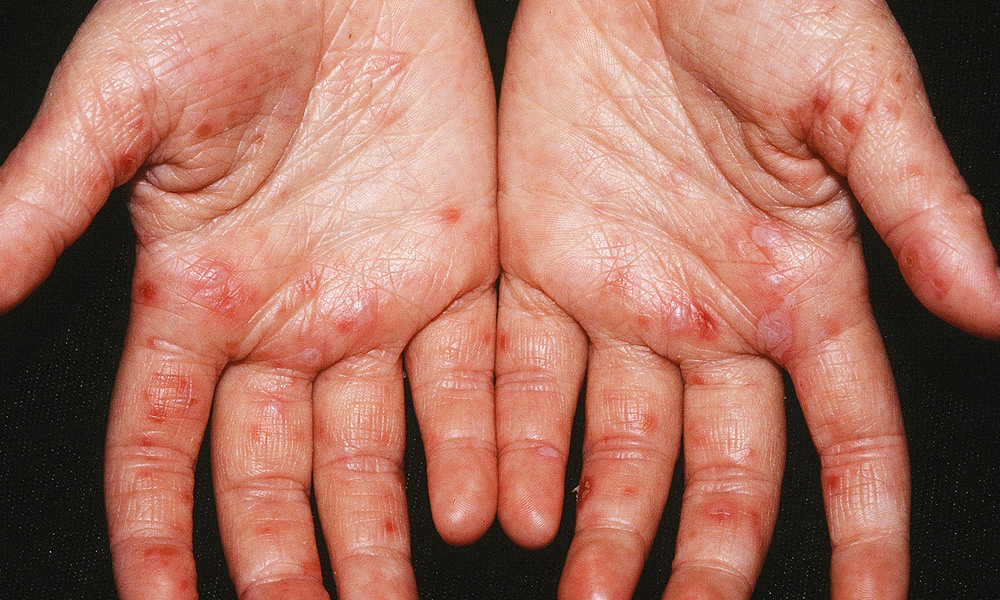
Children's toys and house floors, including the toilet, should be cleaned using a chlorine solution and ensure that disposable diapers are discarded properly.
Employers and caretakers at nurseries, kindergartens and childcare centres must always ensure the cleanliness of the premises including the equipment and utensils children use, as well as conduct screening at the entrance to ensure that children have no signs of HFMD infection.
Indoor playground operators and the Malaysia Shopping Malls Association are also advised to conduct screening at the entrance of the indoor playground, clean the premises and disinfect equipment at least twice a day.
- Bernama
/file/1292/b1b431cd10237dba50e7bed6b1a68a94.jpeg)


Are you sure you want to delete this comment?
This action cannot be undone.