


/file/publisher-c1a3f893382d2b2f8a9aa22a654d9c97/2024/06/38975f7cc51741debbb7c297536442fd.jpg)

M'sia rises to Tier 2 in US human trafficking ranking
Malaysia has advanced its placement to Tier 2 in the latest US State Department Trafficking in Persons Report.
This is the second time the country has reached this position, the first was back in 2017.
However, the report noted...
Malaysia has advanced its placement to Tier 2 in the latest US State Department Trafficking in Persons Report.
This is the second time the country has reached this position, the first was back in 2017.
However, the report noted that the country still falls short of meeting the standards for combating human trafficking.
According to the report, sighted by Malaysiakini, delays in prosecution, insufficient interagency coordination, and complex procedures are among the significant reasons for not meeting the standard.
“The government continued to require victims to provide statements and participate in investigations and criminal proceedings to be formally identified as victims and receive protective orders and trafficking-specific services.
“The government prosecuted fewer traffickers and did not prosecute labour traffickers in the palm oil sector or the disposable glove manufacturing industry, despite ongoing reports of trafficking in these sectors,” the report stated.
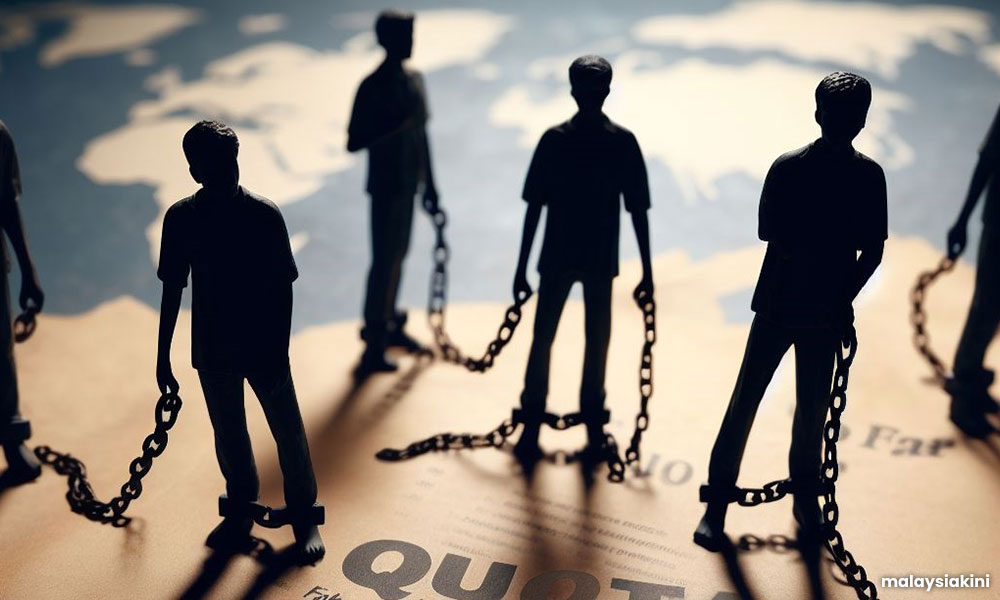
These shortcomings have undermined anti-trafficking efforts, allowing trafficking operations to continue unchecked and increasing the vulnerability of migrant workers to trafficking, it added.
Last year, Malaysia was placed in the Tier 2 Watch List, the second-bottom-most tier of the report’s four-tier system.
This year, neighbouring countries in Tier 2 include Vietnam, Thailand, Bhutan, and Bangladesh, while Singapore, Taiwan, the Philippines and South Korea made it to Tier 1.
Increased efforts
Despite not meeting anti-trafficking standards, the report acknowledged that the Malaysian government had made increased efforts, such as boosting the number of trafficking investigations, convicting more traffickers, and prosecuting allegedly complicit officials.
“The government convicted significantly more labour traffickers than in the prior year. It increased the number of trafficking-specialist prosecutors, funding for victim shelters, and support for the anti-trafficking council.
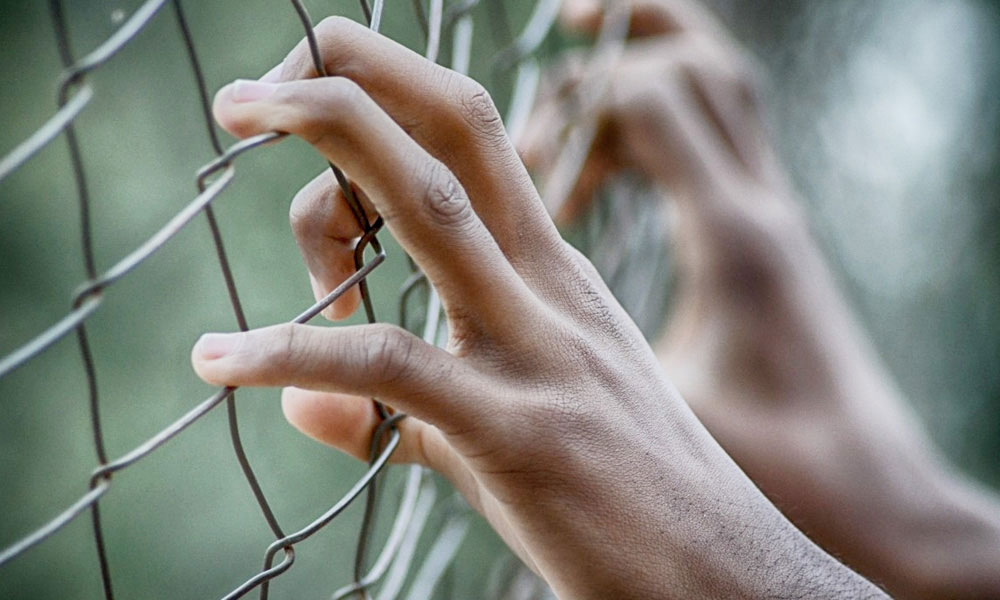
“It also facilitated more freedom of movement passes for victims receiving services in government and NGO-run shelters,” the report also said.
To further improve, the report recommended that Malaysia step up efforts to investigate and prosecute trafficking cases, provide trauma-informed and victim-centred services to all identified potential trafficking victims, and train officials on standard operating procedures.
It also suggested publicising the results of investigations involving corrupt officials to enhance transparency and deterrence and hold them criminally accountable.
Increasing law enforcement capacity and improving interagency coordination were also highlighted as crucial steps.
/file/publisher-c1a3f893382d2b2f8a9aa22a654d9c97/2024/04/386882ce803fa087cf2c4e01a982c25c.jpg)
/file/publisher-c1a3f893382d2b2f8a9aa22a654d9c97/2022/03/505bdd130f465a9b18fdf3d626a6f4d9.jpg)
/file/publisher-c1a3f893382d2b2f8a9aa22a654d9c97/2024/05/9a3da0122e9eab564e39879df7c1a844.jpg)
/file/publisher-c1a3f893382d2b2f8a9aa22a654d9c97/2023/11/70b2aad32074d1e8455ecb2cd9925c57.jpg)
/file/publisher-c1a3f893382d2b2f8a9aa22a654d9c97/2022/01/86a3e9b51f738dd4d3c47e747ad81fcf.jpg)
/file/publisher-c1a3f893382d2b2f8a9aa22a654d9c97/2023/12/52f04eb3693a20762be8bf54ca7d4564.jpg)
/file/publisher-c1a3f893382d2b2f8a9aa22a654d9c97/2020/10/c5ce36274e24fa5afeab2500b0df3adb.jpg)
/file/publisher-c1a3f893382d2b2f8a9aa22a654d9c97/2023/06/a7f4826582d0ae481a17c49153445c85.jpg)


Are you sure you want to delete this comment?
This action cannot be undone.