


/file/publisher-c1a3f893382d2b2f8a9aa22a654d9c97/2024/06/2ffacf6dbb9b0452143ee6e75039b4e6.jpg)

M'sia will not ratify UN Convention against Torture, minister says
PARLIAMENT | Malaysia will not be ratifying the United Nations Convention against Torture (UNCAT), as to do so would require law amendments, Home Minister Saifuddin Nasution Ismail told the Dewan Rakyat today.
Responding to issues raised by MPs debating the Suhakam annual report, he said the UN convention prohibits a country from enacting laws with elements of "severe pain" as part of its punishment.
"Will we ratify UNCAT? For the time being, no. If we ratify
PARLIAMENT | Malaysia will not be ratifying the United Nations Convention against Torture (UNCAT), as to do so would require law amendments, Home Minister Saifuddin Nasution Ismail told the Dewan Rakyat today.
Responding to issues raised by MPs debating the Suhakam annual report, he said the UN convention prohibits a country from enacting laws with elements of "severe pain" as part of its punishment.
"Will we ratify UNCAT? For the time being, no. If we ratify UNCAT, there are specific sections that clearly state our laws cannot contain elements that cause severe pain.
"Our (criminal) laws still have caning (as a punishment). Under syariah law there is also caning. Caning is a form of pain.
"With that prohibition (on elements that cause severe pain), if we sign (UNCAT), our existing laws must be amended," he said.
Caning is provided as punishment for rape under the Penal Code, as well as drug trafficking under the Dangerous Drugs Act 1952, among others.
Finding a ‘balance’
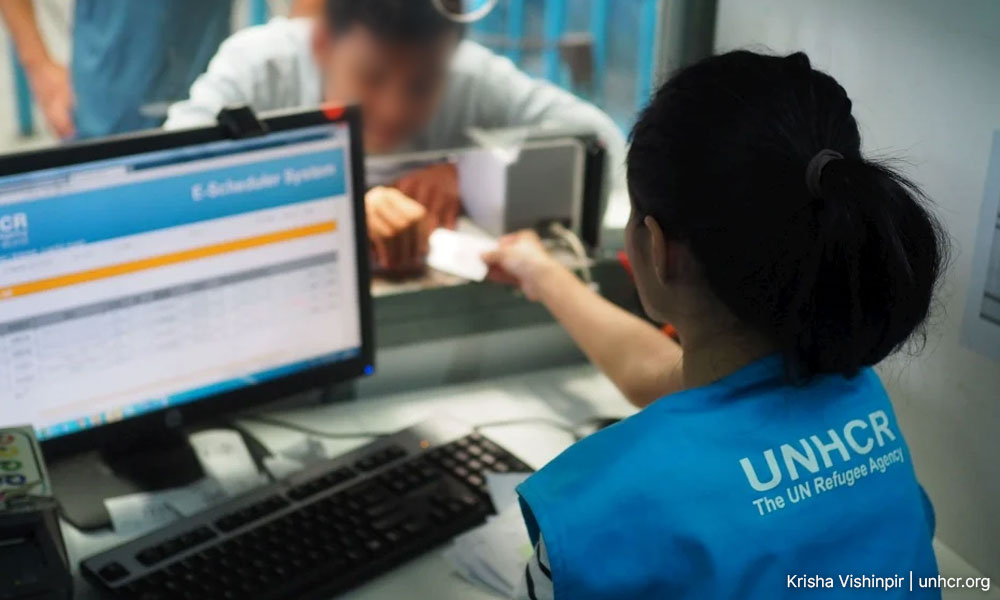
Saifuddin also responded to MPs' debates on issues Suhakam highlighted surrounding refugee management and the government's relations with the UN High Commission on Refugees.
As Malaysia remains a non-signatory to the UN 1951 Refugee Convention, the minister said an existing working relation established since the Vietnam War era was for the body to assist in the resettlement of refugees.
"In terms of policy, the National Security Council has made a decision.
"While they (refugees) are here, they are also human, and we must take their welfare into consideration, aside from security factors. There must be a balance," he said.
The "balance" the government is considering includes employing refugees as workers in designated sectors such as plantations, he added.
/file/publisher-c1a3f893382d2b2f8a9aa22a654d9c97/2023/08/fdbcc1cb4090d0cf614f6448de1332d3.jpg)
/file/publisher-c1a3f893382d2b2f8a9aa22a654d9c97/2022/09/e35387d82b0c617a06f80ef34f3c7329.jpg)
/file/publisher-c1a3f893382d2b2f8a9aa22a654d9c97/2024/03/4e7b27a8eca69fffbad892672586cce5.jpg)
/file/publisher-c1a3f893382d2b2f8a9aa22a654d9c97/2023/04/7b173ca25a763dfab4bb7cf6de7b1e3a.jpg)


Report this comment
Are you sure you want to delete this comment?
This action cannot be undone.