


/file/publisher-c1a3f893382d2b2f8a9aa22a654d9c97/2021/07/5b7a143287301b9c9fe45c2010a00bdb.jpg)

FT Mufti Bill will turn M’sia into Islamic state overnight - groups
The Mufti (Federal Territories) Bill 2024 would turn Malaysia into an Islamic state overnight, several groups from East Malaysia claimed today.
According to Borneo Post Online, 14 Sarawak- and Sabah-based groups also said that the bill violates the Malaysia Agreement 1963 (MA63) and constitutes a direct attack on the nation’s secular system.
“We in Sabah and Sarawak strongly oppose the proposed mufti bill that seeks to expand the powers of the mufti in the Federal Territories.
“We firmly reject any move to be ruled by the mufti...
The Mufti (Federal Territories) Bill 2024 would turn Malaysia into an Islamic state overnight, several groups from East Malaysia claimed today.
According to Borneo Post Online, 14 Sarawak- and Sabah-based groups also said that the bill violates the Malaysia Agreement 1963 (MA63) and constitutes a direct attack on the nation’s secular system.
“We in Sabah and Sarawak strongly oppose the proposed mufti bill that seeks to expand the powers of the mufti in the Federal Territories.
“We firmly reject any move to be ruled by the mufti, as this would effectively sideline the constitutional monarchy, the Madani government and the secular parliamentary democracy that Malaysia is built upon.
“Such a change would transform Malaysia into an Islamic state overnight,” they added.
Among the NGO leaders that signed the joint statement are Borneo’s Plight in Malaysia Foundation president Daniel John Jambun, Sabah Sarawak Rights Australia New Zealand president Robert Pei, Saya Anak Sarawak founder Peter John Jaban, Republic Sabah North Borneo president Mosses Paul Anap Ampang, Parti Bumi Kenyalang president Voon Lee Shan, and Gabungan Orang Asal Sabah Sarawak Dayak cultural ambassador Themothy Jagak.
Earlier today, Bernama reported Minister in the Prime Minister’s Department (Islamic Affairs) Mohd Na’im Mokhtar said that the Mufti (Federal Territories) Bill will be tabled for second and third reading in the Parliament session beginning on Oct 14.
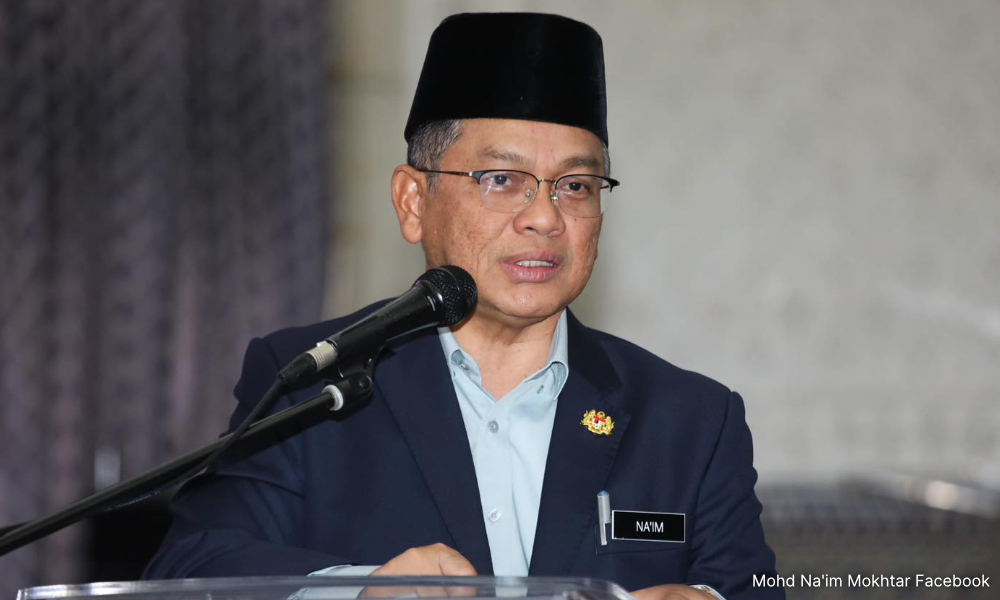
“This has been approved by the cabinet. The bill aims to strengthen the institution of fatwa in the Federal Territories of Putrajaya, Kuala Lumpur, and Labuan,” he was reported as saying.
The first reading of the bill was conducted in July. This is one of three bills concerning Islamic affairs being presented for amendment.
In addition, the bill seeks to establish the definition of Ahli Sunnah Wal Jamaah in accordance with the Al-Asyairah and Al-Maturidiah theological schools.
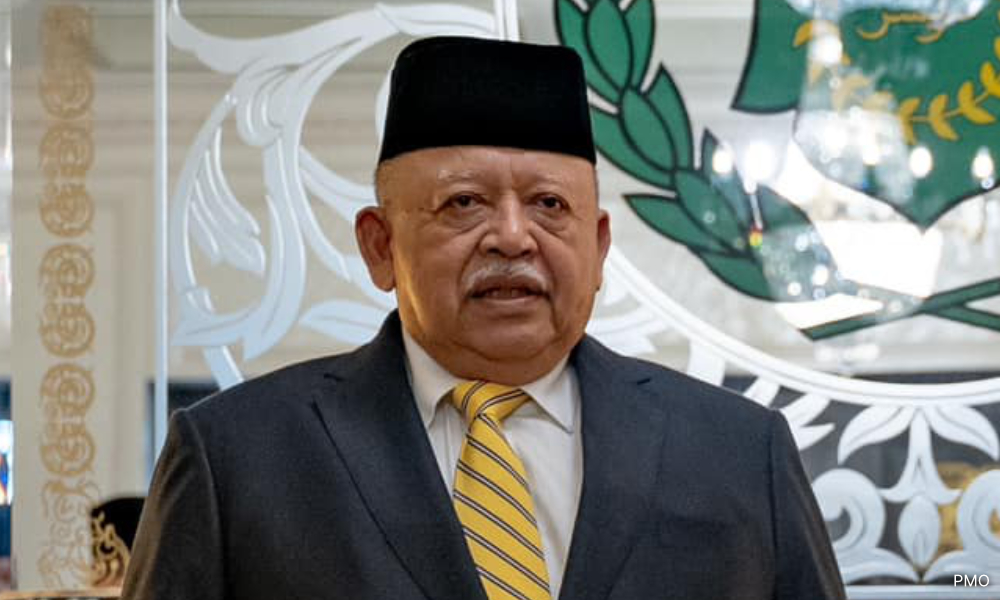
The bill had been panned by several quarters, including Perlis ruler Tuanku Syed Sirajuddin Tuanku Syed Putra Jamalullail, who described it as carrying a “narrow definition” of Sunni Islam and not being inclusive.
Yesterday, women’s rights group Sisters in Islam said the proposed legislation would give unbridled powers to religious authorities as it would, among others, provide them with legal immunity.
‘Bureaucratisation of Islam’
On that note, the groups said the bill is also opposed by Muslims who are concerned that “the bill marks a more explicit sectarian turn in the bureaucratisation of Islam since the 2000s, aiming to institutionalise Sunni Ash’arism as the state-sanctioned version of Islam”.
They opined that the politicisation of ideologies “will foster intolerance and radicalism by promoting dehumanising values and undermining democracy”.
“These actions constitute direct attacks on the secular system, which was a fundamental guarantee to Sabah and Sarawak when Malaysia, and also the Malayan Federation, was set up.
“The cumulative effect of these breaches highlights a pattern of erosion of the constitutional safeguards that were intended to protect the pluralistic and secular nature of the federation.”
Impact on Muslims and non-Muslims
According to them, the bill would grant sweeping powers to the mufti, enabling the issuance of religious decrees that could have significant impacts on both Muslims and non-Muslims alike.

Such decrees, they added, could bypass the authority of Parliament and courts - effectively placing religious law above civil law while on the other hand, the mufti have no jurisdiction in Parliament as they are not elected representatives of the people.
“Sabah and Sarawak should assert their right to self-determination, as a violation of their rights under the federation has shone a light on the importance of allocating 35 percent of seats in the Dewan Rakyat to the states - a principle rooted in constitutional and historical obligations to safeguard East Malaysian interests.
“Yet even this has been undermined, leaving the regions vulnerable to domination by the more populous Malaya,” they added.
/file/publisher-c1a3f893382d2b2f8a9aa22a654d9c97/2021/07/c7c7eec58df46869c6d7c9ad252de13f.jpg)
/file/publisher-c1a3f893382d2b2f8a9aa22a654d9c97/2020/07/0d426fff7c05e1f67e88b839b3814f7e.jpg)
/file/publisher-c1a3f893382d2b2f8a9aa22a654d9c97/2023/10/21ca119e8d7a701b6b00f5d67796f704.jpg)
/file/publisher-c1a3f893382d2b2f8a9aa22a654d9c97/2022/07/968cfad019aafcf75313150929b58859.jpg)
/file/publisher-c1a3f893382d2b2f8a9aa22a654d9c97/2023/02/3a2cd94216295ec402d4c64c3470c863.jpg)


Report this comment
Are you sure you want to delete this comment?
This action cannot be undone.