


/file/publisher-c1a3f893382d2b2f8a9aa22a654d9c97/2022/04/0fa9b532128fc1d401f359aaa0cba6be.jpg)

Bestinet: No such thing as getting RM3.22b, PAC report inaccurate
Bestinet Sdn Bhd has dismissed the Public Accounts Committee’s assertion that the government may have to pay the firm RM3.22 billion under a new deal.
Ismail Mohd Noor, Bestinet CEO, told Malaysiakini that the PAC’s statement was inaccurate and tarnished both the government and the company’s image.
Bestinet Sdn Bhd has dismissed the Public Accounts Committee’s assertion that the government may have to pay the firm RM3.22 billion under a new deal.
Ismail Mohd Noor, Bestinet CEO, told Malaysiakini that the PAC’s statement was inaccurate and tarnished both the government and the company’s image.
“I was taken aback by the PAC report, which stated that the government may need to pay that sum to Bestinet.
“The statement is inaccurate and affects not only Bestinet’s image but also the government,” Ismail said.
Earlier today, PAC indicated that the government may have to fork out RM3.22 billion in payment to Bestinet due to issues related to the RM215 fee per migrant worker imposed for the Epass (work permit).
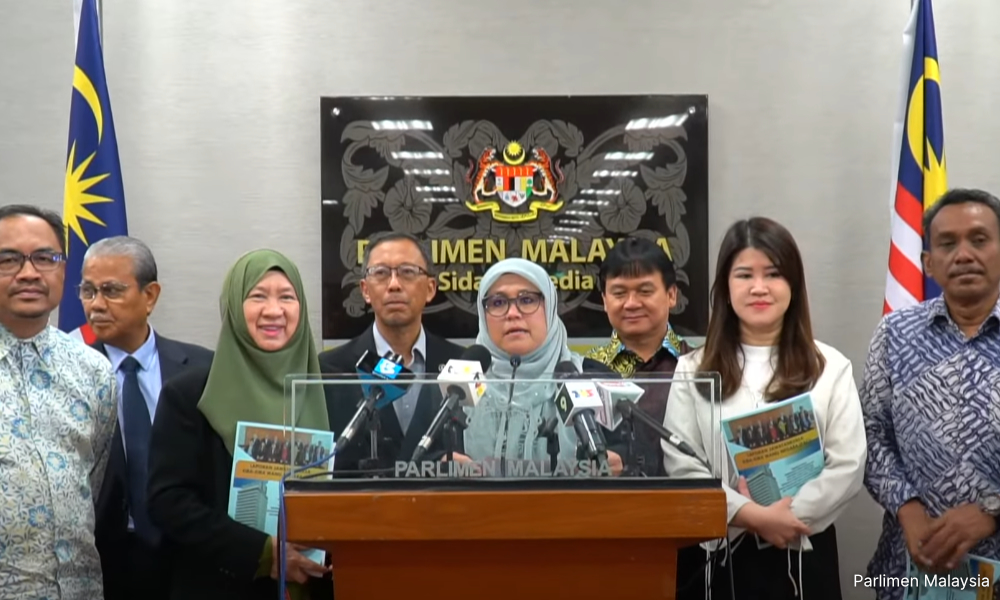
It also found the fee higher than an earlier agreement, which only indicated that each migrant worker would cost RM100.
“It is also higher than the rate approved by the Public-Private Partnership Unit under the Prime Minister’s Department, which was RM86 and the company only asked for RM120.
“So based on RM215 per person charge, multiply it with number of migrant workers in Malaysia (2.5 million) and multiply it again with six years (annual payment), it would come up to RM3.22 billion,” the report reads.
However, PAC noted that Bestinet had waived RM1.572 billion in payment.
Govt acts as middleperson
Elaborating, Ismail said under the new agreement, the RM215 processing fee for every application approved by the Immigration Department is collected by the government, before being given to Bestinet.
“The government acts as an intermediary in the fee collection before it is passed to us. No additional charges are imposed on the government.
“The ones who will be paying are the employers seeking migrant workers. So, the ‘no cost to the government’ condition still applies,” he added.
Ismail then questioned the calculations made by PAC, adding they were inaccurate.
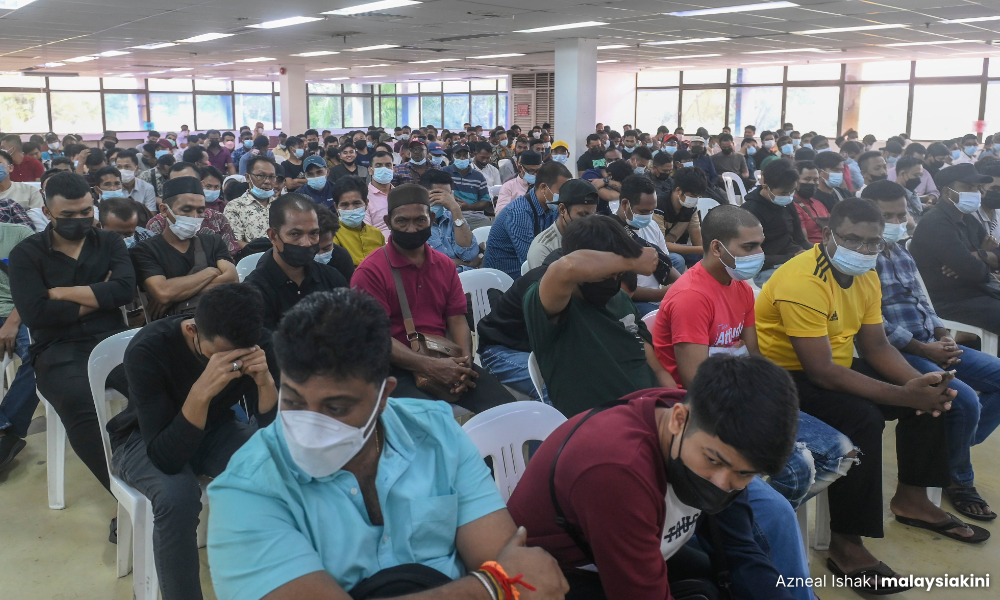
“PAC said RM215 is the fee collected for each migrant worker and cited the 2.5 million migrant workers figure to support its calculation.
“But this amount is the maximum number of migrant workers allowed in Malaysia. That doesn’t mean Malaysia pays 2.5 million migrant workers yearly.
“For example, there are only 2.1 million migrant workers in Malaysia now.
“And with the government now encouraging the intake of local workforce, the dependence on migrant workers would reduce in the years to come,” he stated.
As for the system Bestinet manages, the Foreign Workers Centralized Management System (FWCMS), Ismail said it provides a one-stop solution for migrant workers’ application needs.
“And I must stress that employers pay for this, not the government.
“Employers who feel our rates are too high choose to hire local workers. There is no forcing here but as the company that manages the system, we need to collect the fee to run our operations.”
/file/publisher-c1a3f893382d2b2f8a9aa22a654d9c97/2024/11/eb5d86ea0a102499dd9bd15f498f68ad.jpg)
/file/publisher-c1a3f893382d2b2f8a9aa22a654d9c97/2024/04/6e2ce305488ec794d2416bee2458e849.jpg)
/file/publisher-c1a3f893382d2b2f8a9aa22a654d9c97/2024/11/1d58a863163a3f0ce3f64ffa8d01911d.jpg)
/file/publisher-c1a3f893382d2b2f8a9aa22a654d9c97/2023/02/c7ef714de194bcf444a8e6cdfe9dd2ce.jpg)
/file/publisher-c1a3f893382d2b2f8a9aa22a654d9c97/2024/08/4852517293e0f3de4fa77729869870db.jpg)
/file/publisher-c1a3f893382d2b2f8a9aa22a654d9c97/2024/08/971325164a0dc543a4ac556566eef142.jpg)


Are you sure you want to delete this comment?
This action cannot be undone.