


/file/publisher-c1a3f893382d2b2f8a9aa22a654d9c97/2024/12/e76631b61c0ff5dc39e7e74fe9de35ed.jpg)

Iron ore mining near K'tan Orang Asli village halted after Mkini exposé
A cease-work order has been issued to the two iron ore mining operators suspected of causing pollution in Sungai Kelaik, Gua Musang, Kelantan, which was brought to light in a Malaysiakini exposé last week.
The Natural Resources and Environmental Sustainability Ministry has ordered a halt to the two mining operations following an Environment Department investigation.
Summary
Natural Resources and Environmental Sustainability Ministry orders two mining companies to halt operations over suspected river pollution near Kelantan Orang Asli village.
Probe finds one mining company operating without an approved environmental impact assessment report for nine years.
Errant miners face mandatory imprisonment of up to five years and a fine up to RM1 million.
A cease-work order has been issued to the two iron ore mining operators suspected of causing pollution in Sungai Kelaik, Gua Musang, Kelantan, which was brought to light in a Malaysiakini exposé last week.
The Natural Resources and Environmental Sustainability Ministry ordered a halt to the mining operations following an investigation by the Environment Department (DOE).
READ MORE: Heavy metals found in Kelantan Orang Asli blood, community fear poisoned by mining
Its minister Nik Nazmi Nik Ahmad said one company - Aqua Orion Sdn Bhd - was found to be operating without an environmental impact assessment (EIA) approval, while the other mine - run by Redstar Capital Sdn Bhd - was found to not be operating.
“Our investigation found that Aqua Orion conducted activities without obtaining approval under Subsection 34A(3).
“An investigation paper will be opened immediately under Subsection 34A(6),” he said in a statement today.
Section 34A of the Environmental Quality Act 1974 (Act 127) deals with the requirement for an approved EIA report by the DOE director-general, before a company obtains approval from the relevant authority for their intended activities.
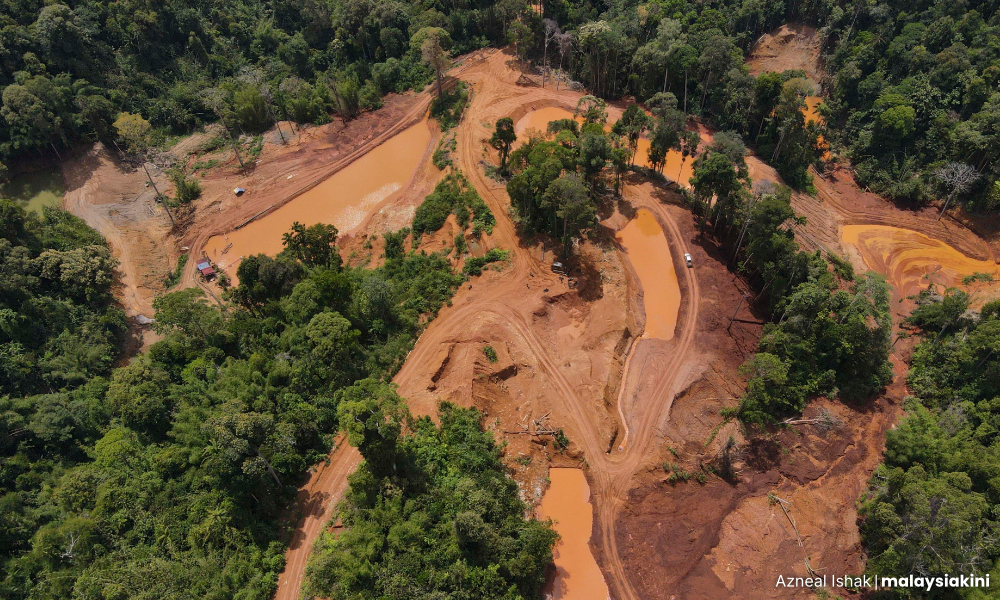
Aqua Orion has been operating under a 10-year mining licence that will expire next year, while Redstar Capital has a 21-year mining licence expiring in 2030.
Nik Nazmi said the DOE will issue a letter to the Kelantan State Land and Mines Office requesting that the renewal of Aqua Orion’s mining licence be deferred until the EIA report is submitted for evaluation and approval.
Enforcement action will be taken under Act 127 if project proponents fail to comply with any of the EIA conditions to ensure project implementation minimises and mitigates impacts on environmentally sensitive receptors.
Offenders face mandatory imprisonment of up to five years and a fine ranging from RM100,000 to RM1 million.
Redstar Capital claims compliant with regulations
Malaysiakini had reported that rudimentary iron ore processing was done under shacks with workers manually hosing down the operations with a handheld hose at Aqua Orion.
READ MORE: Red rivers and death: Natives fight iron ore mining in Kelantan rainforest
Aqua Orion ponds were also observed to be dug up routinely to ensure depth and the tailing - refuse from iron ore mining - was dumped at the sides.
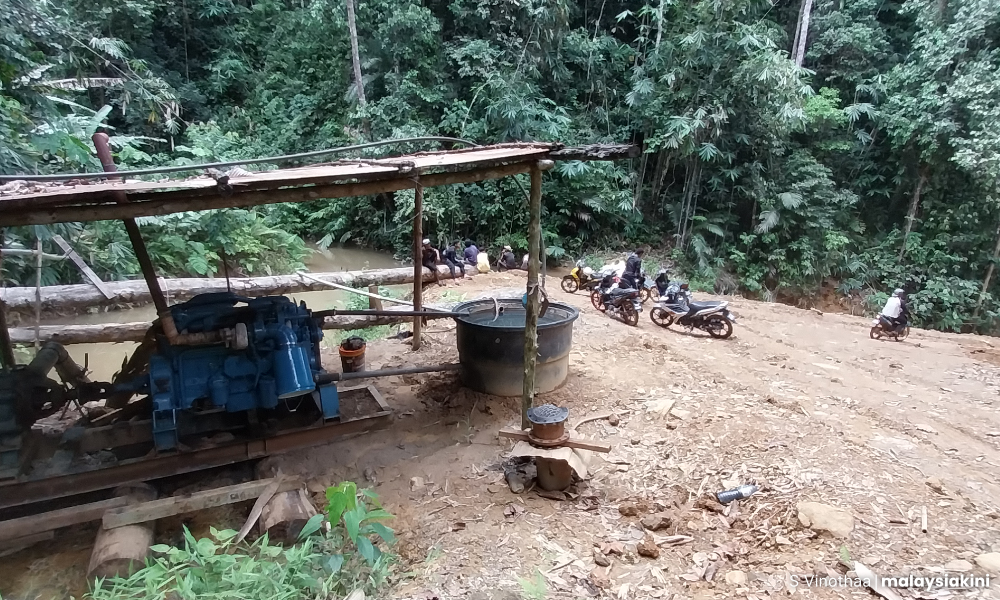
When contacted, Redstar Capital said it does not discharge wastewater or effluents into the river and follows all regulations.
This was despite Malaysiakini witnessing water from Redstar Capital’s mining ponds flowing into streams.
Aqua Orion has yet to respond to queries on its mine.
Fears of chromium poisoning
The Malaysiakini report also revealed high levels of chromium - a carcinogenic heavy metal - in the blood of one of six villagers who volunteered for testing.
The youngest of the six who volunteered, 19-year-old Azlan Ahak, had a chromium level that puts him at a lifetime risk of developing cancer at an estimated 64,000 times higher than normal.
Chemical health assessor Vivien How stressed that the findings were red flags, warranting immediate investigation by relevant authorities due to their severe health implications.
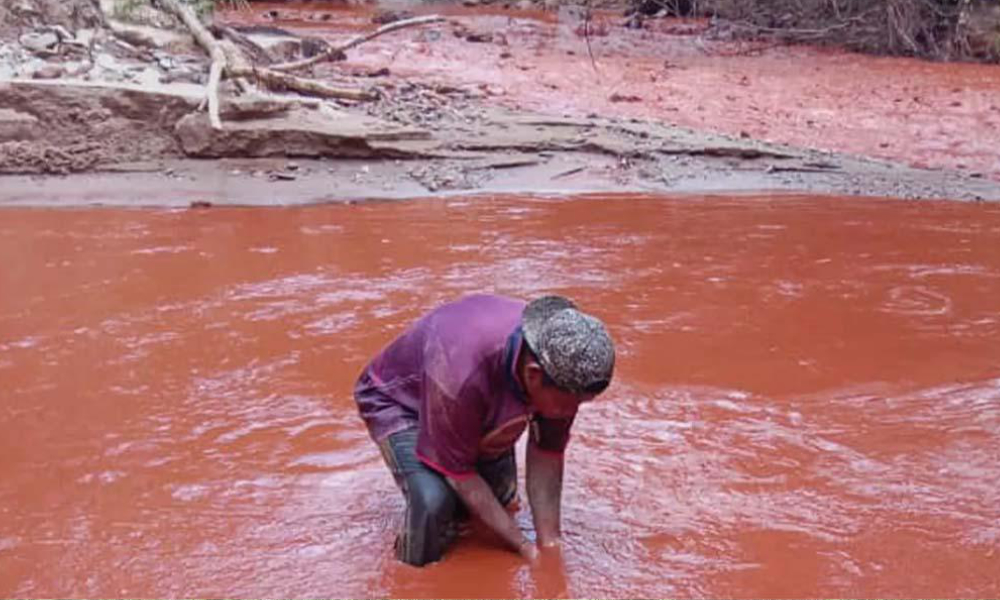
Having reviewed the result of the blood tests and water sample test, she told Malaysiakini there was a likely link to the mining due to the relatively high level of chromium at one mine discharge point.
However, How said pesticides used in large-scale plantations near the village could also be a potential source of contamination, as it could “seep into the soil, contaminate the water, and further enhance environmental burdens”.
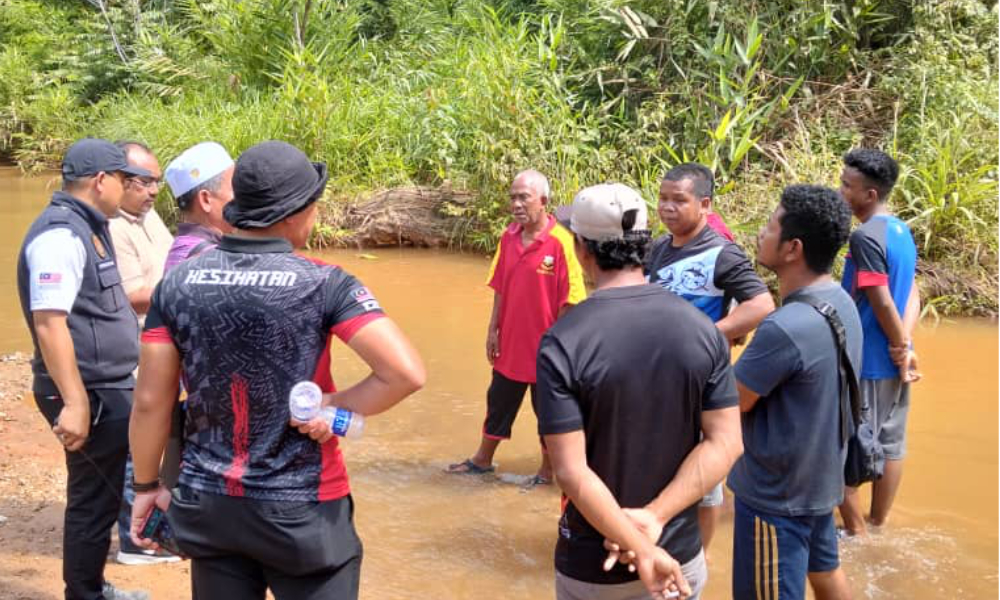
Following the Malaysiakini exposé last week, villagers said the Health Ministry team comprising officers from Gua Musang and Johor Bharu interviewed the villagers on Dec 16.
Earlier, Health Minister Dzulkefly Ahmad confirmed his ministry was investigating the allegations.
The ministry officials also visited the rivers that flowed down from the two mines and the mining sites, said Kampung Kelaik Action Committee leader Ahak Uda.
"They said they will return to take blood samples from all the villagers and a specialist to check our skin lesions," he said via WhatsApp.
Orang Asli's decade-long protest
Last week, PSM pointed out that the Kampung Kelaik Temiar community had been fighting against the iron ore mining on their customary land for over a decade.
PSM Environment, Climate Crisis and Orang Asli Bureau coordinator Suresh Balasubramaniam said they had warned of environmental destruction and health risks to no avail.
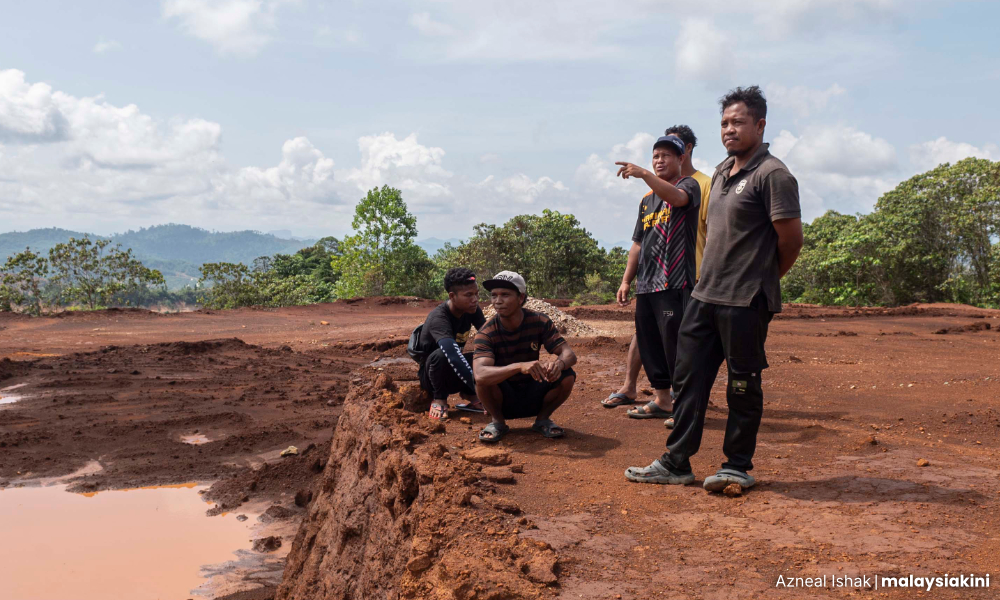
In 2015, when the body of a respected community patriarch, Alang Angah, was found trapped among logs and shrubbery swept downriver during a flash flood, the villagers pointed to the mining operation upstream.
At the time, police had probed the matter and the case was closed without any charges.
The latest blood test results have sparked a fear greater than the threat of a sudden flash flood - the terrifying possibility that the river might be poisoning the whole community, Suresh stressed.
/file/publisher-c1a3f893382d2b2f8a9aa22a654d9c97/2024/12/e76631b61c0ff5dc39e7e74fe9de35ed.jpg)
/file/publisher-c1a3f893382d2b2f8a9aa22a654d9c97/2024/12/948fe37a3e49c13306639bb769c65a8e.jpg)
/file/publisher-c1a3f893382d2b2f8a9aa22a654d9c97/2024/12/3e55499d5c32cf4458ce7838edffc115.jpg)
/file/publisher-c1a3f893382d2b2f8a9aa22a654d9c97/2023/10/817e44e48fe957913615ae0ccc11c94e.jpg)
/file/publisher-c1a3f893382d2b2f8a9aa22a654d9c97/2024/11/fa68d914b33b5a2866adc7d6a648959e.jpg)
/file/publisher-c1a3f893382d2b2f8a9aa22a654d9c97/2023/09/2a29768468e2b55befce38139e073ce3.png)


My heartfelt thanks to Malaysiakini for doing a wonderful! Shame on all the government departments and the people who are responsible to monitor and act on this issue. Yet another failure of the MADANI government that is more busy trying to solve problems in the Middle East! I will quote the saying again. 'Kera dihutan disusui tapi anak sendiri terbiar" I sincerely hope our 'beloved' PM will start focussing on local issues and settle them instead of trying to become a hero for Palestinians!
Are you sure you want to delete this comment?
This action cannot be undone.