


/file/publisher-c1a3f893382d2b2f8a9aa22a654d9c97/2025/03/6f66370925a471e7d25fca1db19a9f1a.jpg)

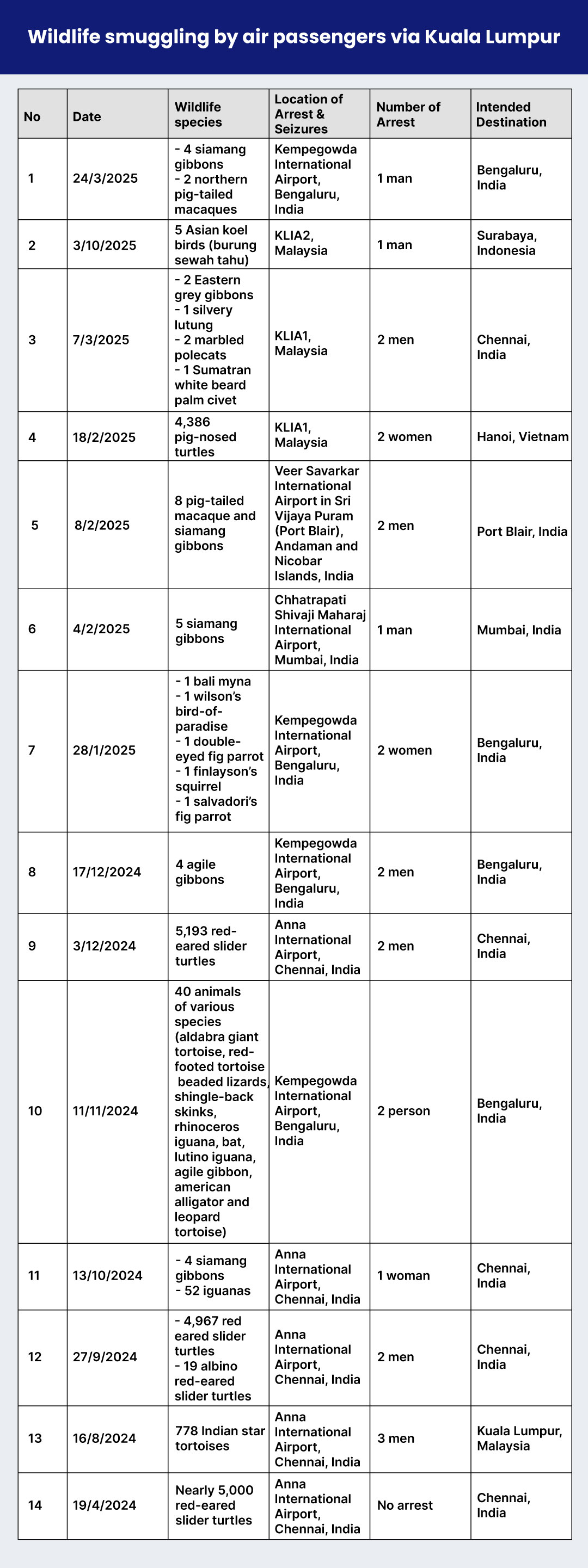
Group concerned over surge of wildlife smuggling via KLIA
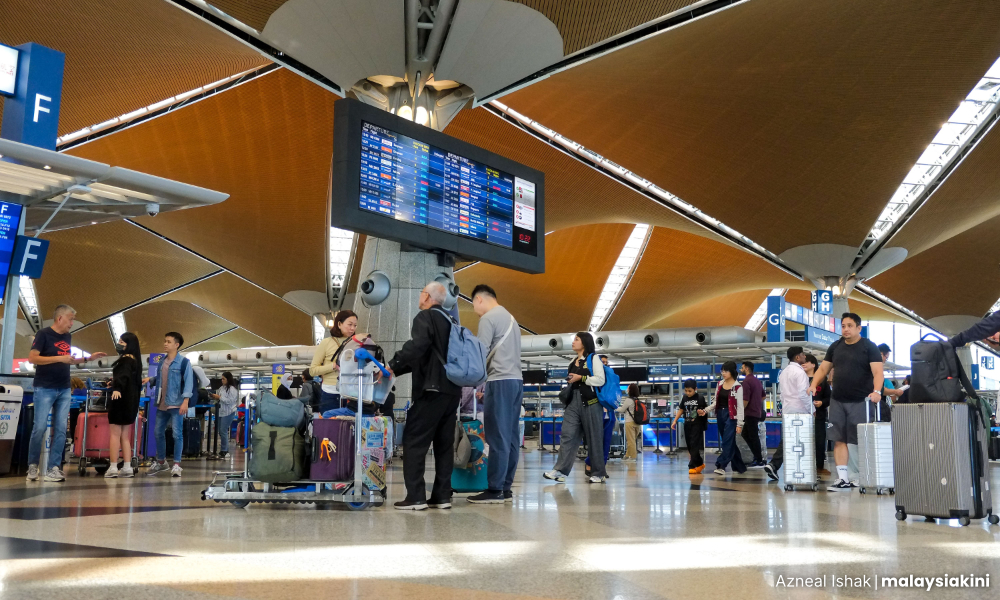
The Malaysian Primatological Society (MPS) has expressed concern over the recent spate of wildlife smuggling cases via the Kuala Lumpur International Airport (KLIA).
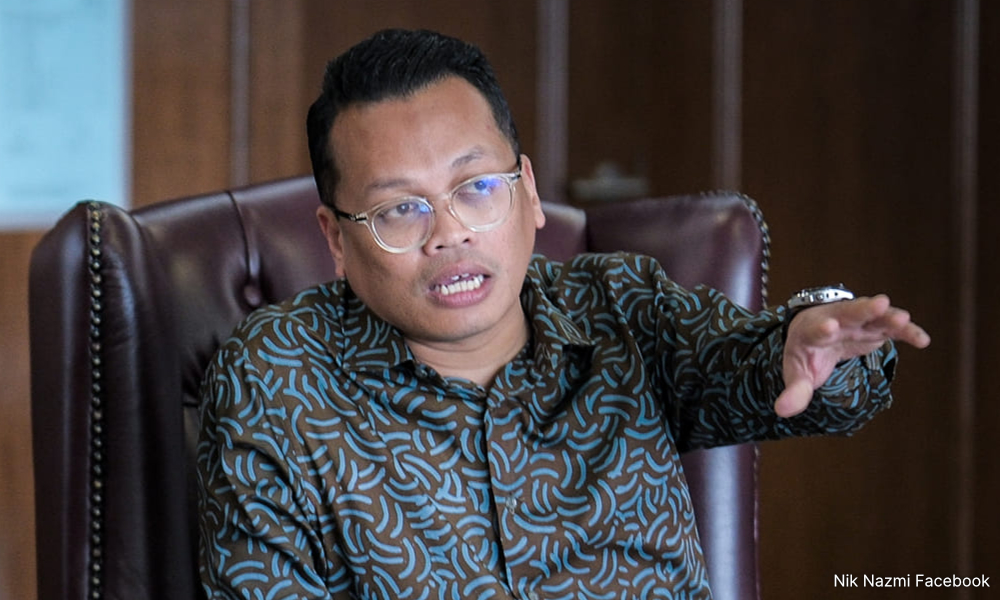
Although it lauded efforts by Natural Resources and Environment Minister Nik Nazmi Nik Ahmad and the Wildlife and National Parks Department (Perhilitan) to strengthen inspections at KLIA and enhance enforcement at all major transit points, MPS said more could be done to prevent further wildlife trafficking.
The group cited the recent foiled attempt at Bengaluru’s Kempegowda International Airport to traffic...
Summary
The Malaysian Primatological Society (MPS) lauds government efforts but wants better measures to stop wildlife smuggling via KLIA.
Research shows that smuggled primates are usually young, and their parents are killed to confiscate the babies, thus leading to catastrophic population declines.
MPS calls for the public to stop keeping primates as exotic pets and for Malaysians to consider them national wildlife treasures.
The Malaysian Primatological Society (MPS) has expressed concern over the recent spate of wildlife smuggling cases via the Kuala Lumpur International Airport (KLIA).
Although it lauded efforts by Natural Resources and Environment Minister Nik Nazmi Nik Ahmad and the Wildlife and National Parks Department (Perhilitan) to strengthen inspections at KLIA and enhance enforcement at all major transit points, MPS said more could be done to prevent further wildlife trafficking.
The group cited the recent foiled attempt at Bengaluru’s Kempegowda International Airport to traffic four siamang gibbons and two northern pig-tailed macaques to India from KLIA.
“We call for increased inspections at KLIA, strengthened law enforcement, enhanced cross-border collaborations, and continued investment in conservation to protect Malaysia’s primates from further exploitation.
“The survival of these species depends on decisive actions now,” said the society in a statement on Facebook today.
The group further commended the Indian authorities for their swift action in intercepting these smuggling attempts and bringing the perpetrators to justice and urged the authorities there to continue vigilance to prevent primates and other wildlife from being trafficked.
Devastating impact on Malaysian primates
Malaysia is home to five species of gibbons - the siamang, lar gibbon, agile gibbon, North Bornean gibbon, and Abbot’s gibbon. All are categorised “endangered” under the International Union for Conservation of Nature’s Red List of Threatened Species.
MPS said the trafficking of siamang gibbons can result in a devastating impact as it and other primates suffer immensely in the hands of traffickers.
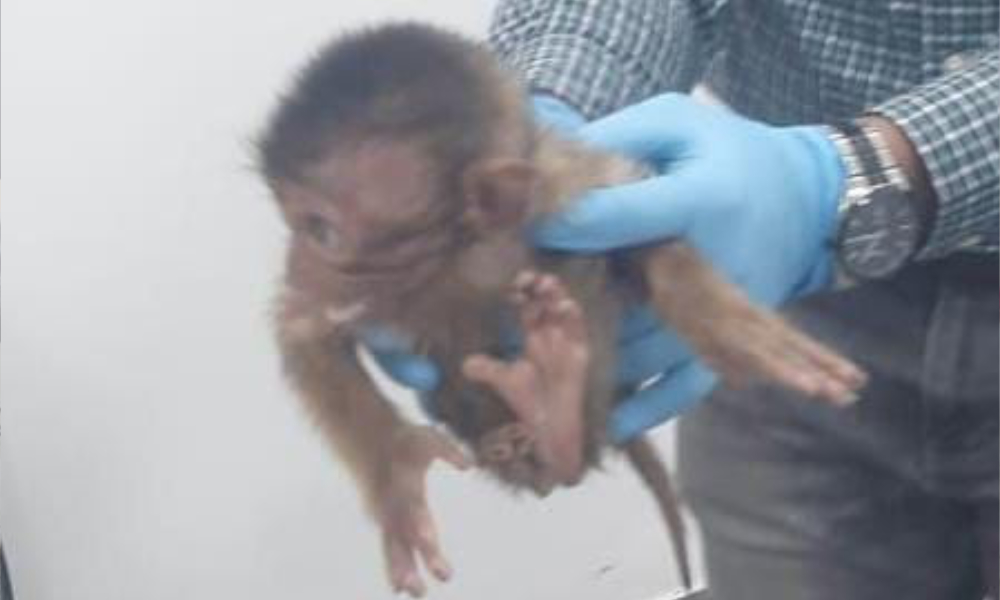
“Wild siamang babies spend up to 10 years learning social and survival skills from their mothers and other family members. Trafficked infants are violently torn from their families, often before they are even weaned. Many do not survive the severe stress, malnutrition, and poor conditions of transport.
“While trafficked animals are almost always very young, primate parents are often killed during the capture of their offspring for the illegal trade, further weakening populations of these threatened species.
“Research shows clearly that most primates, especially apes such as siamangs and other gibbons, cannot maintain their numbers under sustained hunting pressure,” it said.
MPS said continued trafficking would inevitably lead to catastrophic population declines of siamang gibbons and other primates in the country, with long-term implications for population structure and genetic diversity.
Stop keeping primates as exotic pets
MPS strongly reinforced that primates must not be captured from the wild or held as pets.
It said these species have complex social and ecological needs that cannot be met in captivity outside of specialised conservation and rehabilitation programmes.
“The illegal pet trade not only results in immense suffering for individual animals but also threatens wild populations that are already on the brink of extinction.
“We urge authorities, conservation organisations, and the public to work together to eliminate the sources of this trade, which is the demand for exotic pets,” it said.
It also called on Malaysians to recognise that primates are a vital part of the country’s shared natural heritage.
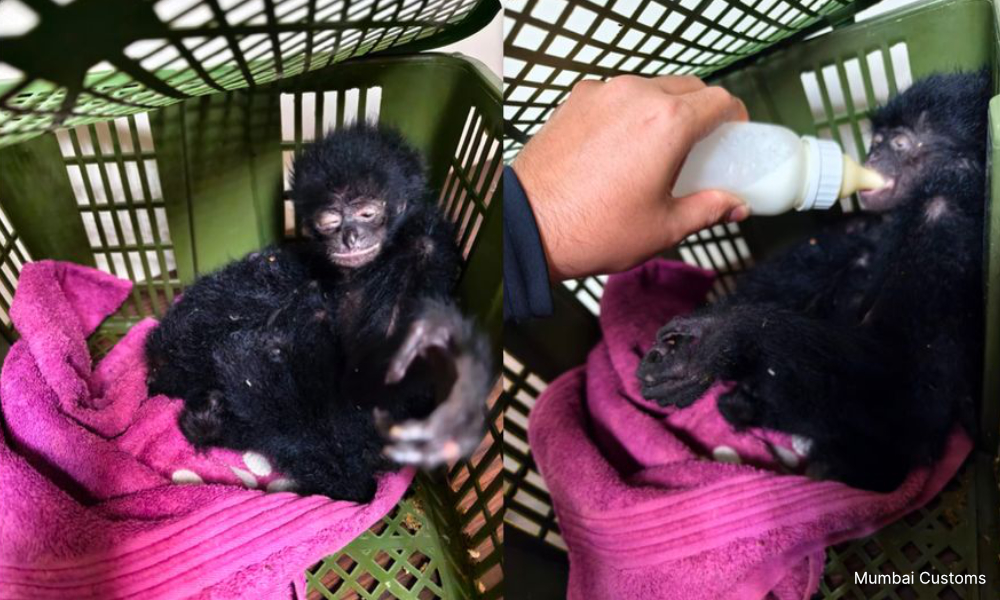
“Siamangs, the largest of all gibbon species, are a national wildlife treasure that is highly vulnerable due to habitat loss, slow reproduction rates, and their family structure, making them especially susceptible to population collapse,” it added.
Earlier this month, Transport Minister Anthony Loke reprimanded Malaysia Airports Holdings Berhad (MAHB) over rising cases of wildlife smuggling out of the country.
He said it was a serious issue that the airport operator must take immediate steps to overcome.
Checked-in luggage falls under the purview of MAHB’s baggage handling services, not the Customs Department.
/file/publisher-c1a3f893382d2b2f8a9aa22a654d9c97/2025/01/1eeef97d12b526664499e4c4b9f2ea84.jpg)
/file/publisher-c1a3f893382d2b2f8a9aa22a654d9c97/2025/03/6f66370925a471e7d25fca1db19a9f1a.jpg)
/file/publisher-c1a3f893382d2b2f8a9aa22a654d9c97/2025/02/04101a2a69f82e2e561ec540f56fed52.jpg)
/file/publisher-c1a3f893382d2b2f8a9aa22a654d9c97/2025/03/430c75c2b4c76f213ee03f5531d05ac1.jpg)
/file/publisher-c1a3f893382d2b2f8a9aa22a654d9c97/2025/03/9e0547da9b6907c75417fc23ebd15f49.jpg)
/file/publisher-c1a3f893382d2b2f8a9aa22a654d9c97/2025/03/8ad67041043e10184dfc5b15e94ee6a8.jpg)


Report this comment
Are you sure you want to delete this comment?
This action cannot be undone.