


/file/publisher-c1a3f893382d2b2f8a9aa22a654d9c97/2024/12/7ef1209eb9b8cf97070e738a72e8148d.jpg)

C4 warns risk of govt weaponising firm owners data if not made public
The restriction of access to beneficial ownership data in Malaysia could turn a vital anti-corruption tool into a political weapon, the Center to Combat Corruption and Cronyism (C4 Center) has warned.
C4 Centre chief executive officer Pushpan Murugiah said this was possible because: “Anti-corruption enforcement agencies such as MACC remain under executive control.
Summary
Anti-graft watchdog, Center to Combat Corruption and Cronyism has warned that a vital anti-corruption tool - beneficial ownership information on companies - if kept shrouded in secrecy, could be turned into a political weapon.
It points out that some high-ranking Malaysian politicians named in the Pandora Papers might be able to use their influence to avoid investigations.
C4 Center CEO Pushpan Murugiah cautions that without meaningful reform, a similar or even larger corruption scandal than 1MDB could happen again.
The restriction of access to beneficial ownership data in Malaysia could turn a vital anti-corruption tool into a political weapon, the Center to Combat Corruption and Cronyism (C4 Center) has warned.
C4 Centre chief executive officer Pushpan Murugiah said this was possible because: “Anti-corruption enforcement agencies such as MACC remain under executive control.
“This creates a serious risk of beneficial ownership information being weaponised by the government of the day.
“It opens the door for selective investigations, persecution of opposition voices, and impunity for those aligned with the ruling elite,” he said, in a blistering response to Malaysiakini.
Pushpan’s rebuke came days after Transparency International Malaysia (TI-M) president Raymon Ram condemned the government’s quiet rollback of access to beneficial ownership data, calling it a “regressive step” in the fight against financial secrecy.
The identities of the beneficial owners of a company reveal the individuals who really control or benefit from a company, even when their names are not listed as registered shareholders.
Not to be misunderstood - registered shareholder information is still available through online Companies Commission (CCM) reports for a fee.
Dangerous blind spot
However, beneficial ownership information is often the only way to expose hidden ownership networks that facilitate money laundering, political patronage, and abuse of state resources.

The lack of full transparency in beneficial ownership data creates a dangerous blind spot, allowing corrupt actors, particularly those with political power or influence, to conduct illicit business without public oversight.
Pushpan pointed to revelations from an offshore financial leak, the Pandora Papers, which implicated high-ranking officials, including Investment, Trade and Industry Minister Tengku Zafrul Abdul Aziz, Deputy Prime Minister Ahmad Zahid Hamidi, and Selayang MP William Leong.
“There’s a risk that politicians in power are able to use their influence to avert investigations.
“Without a fully transparent register, it becomes exceedingly difficult to hold them accountable.
“If the beneficial ownership register were made public, journalists, civil society, and concerned citizens would be empowered to investigate suspicious share ownership, adding a critical layer of scrutiny in the fight against corruption,” he said.
No reforms since 1MDB
Though critical, beneficial ownership transparency is just one piece of the puzzle. Tackling grand corruption requires a broader overhaul of institutions and laws.
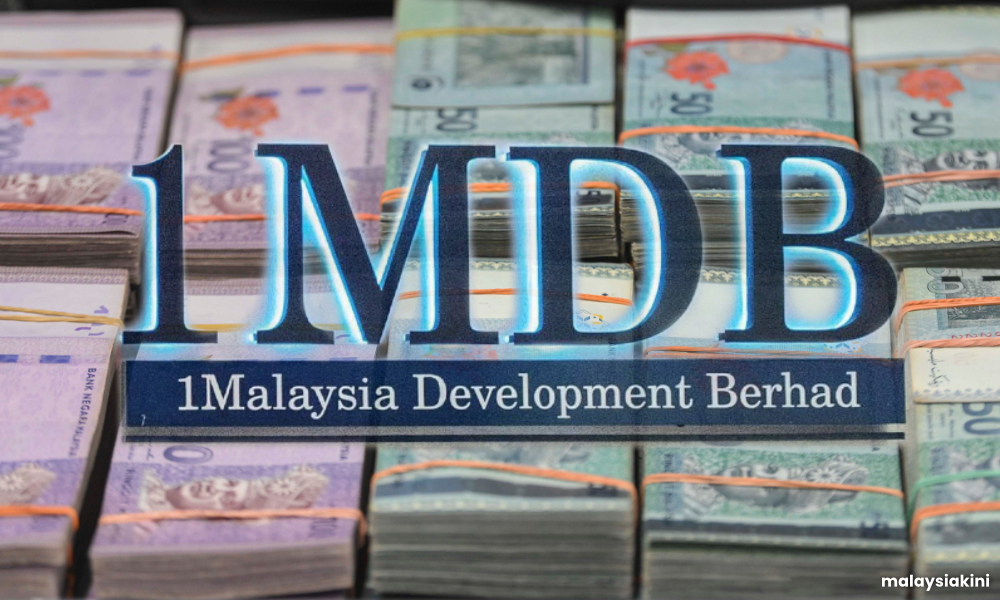
“It must be stressed that, since 1MDB, there have been no structural reforms significant enough to deter another 1MDB from happening.
“Despite the conviction of former prime minister Najib Abdul Razak, no legislation has been passed to keep in check a similar scandal from occurring,” Pushpan said.
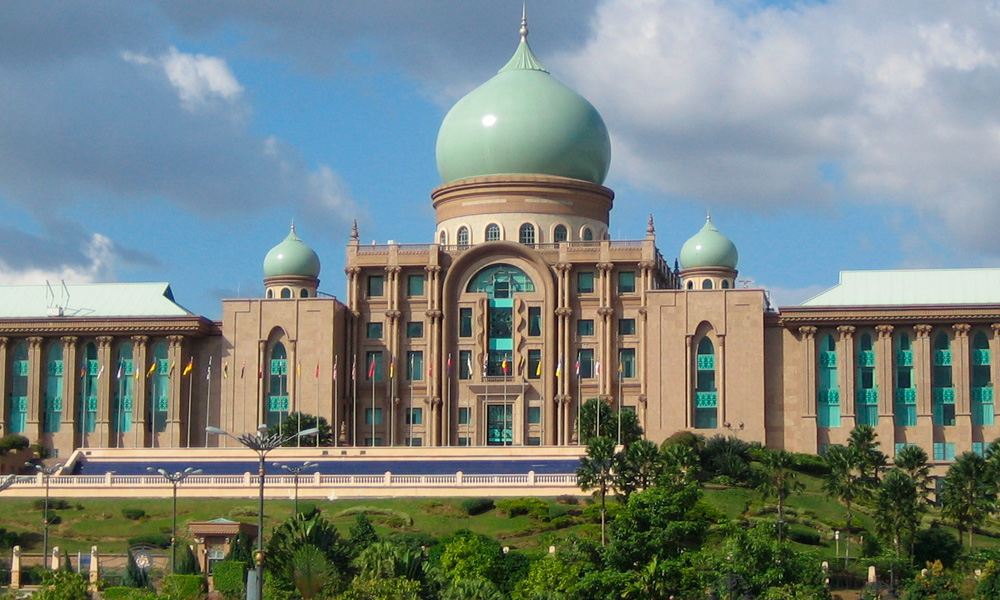
One glaring issue is the continued concentration of power in the Prime Minister’s Office.
The dual role of prime minister and finance minister was widely criticised during Najib’s tenure for enabling unchecked decision-making over national finances.
Yet, the current administration under Anwar Ibrahim has maintained the same arrangement, raising concerns about future abuse.
“Continued restricted access could continue the risk that a 1MDB scandal could happen again, at an even larger scale, without public knowledge,” he said.
Another unchecked red flag is the worsening climate for whistleblowers.
Pushan pointed out that brave insiders and journalists helped expose the 1MDB corruption, but today, that courage may come at a higher cost - reflected in the recent Sabah corruption scandal - which suggests that whistleblowers now face increasing threats, isolation, or retaliation.
“Future scandals could occur without having individuals willing enough to blow the whistle,” he said.
Malaysia’s retreat from transparency
The Companies (Amendment) Act 2024, which took effect on April 1, 2024, required the identities of company beneficial owners to be reported to the CCM.
However, the Companies (Access to Register and Information Relating to Beneficial Ownership) Regulations 2025, enforced since Jan 10, impose significant restrictions on access to beneficial ownership data.
Under the new regulations, access to beneficial ownership data is restricted to a limited group, including the beneficial owners themselves, their authorised representatives, Bank Negara Malaysia, enforcement agencies, select reporting institutions, and the Finance Ministry.
All other parties must obtain written consent from the beneficial owner to access the information.
According to Raymon, restricting access to beneficial ownership data, despite no such prohibition in Division 8A of the Companies Act, the CCM Act 2001, or the Capital Markets and Services Act 2007, “undermined the reform’s objectives and contradicted global best practices”.
In March, the US Treasury Department’s rollback of beneficial ownership reporting requirements for American citizens and domestic firms triggered global alarm over a potential surge in financial crime.
Malaysia’s own retreat from transparency not only mirrors this troubling trend but also deepens global vulnerabilities in anti-money laundering efforts, potentially drawing heightened scrutiny from the international watchdog, Financial Action Task Force (FATF).
Public watchdogs and institutional reforms
In response to these concerns, Pushpan has called for a sweeping package of institutional reforms.
These include major amendments to the Whistleblower Protection Act 2010, the separation of the public prosecutor’s office from the attorney-general, mandatory asset declaration for all elected representatives, government ministers, their family members, political aides, and their close associates.
He also called for new legislation that included a Political Financing Act, a Government Procurement Act and a Right to Information Act.
/file/publisher-c1a3f893382d2b2f8a9aa22a654d9c97/2024/04/386882ce803fa087cf2c4e01a982c25c.jpg)
/file/publisher-c1a3f893382d2b2f8a9aa22a654d9c97/2025/04/e7643214f4cfdec4d1b398c6fafb13b3.jpg)
/file/publisher-c1a3f893382d2b2f8a9aa22a654d9c97/2025/03/37ac4d9684ea5824c9902383fe014009.png)
/file/publisher-c1a3f893382d2b2f8a9aa22a654d9c97/2023/02/7c5ea83952999bc5b28648483620956e.jpg)
/file/publisher-c1a3f893382d2b2f8a9aa22a654d9c97/2025/03/aacd27f721633e15f9de09e13552be82.jpg)


Are you sure you want to delete this comment?
This action cannot be undone.