


/file/publisher-c1a3f893382d2b2f8a9aa22a654d9c97/2024/08/d376404c854c31763ab8fe47ff4835cb.jpg)

'Include politicians in govt advisory board for non-Muslim affairs'
MIC deputy president M Saravanan has mooted the inclusion of politicians in a proposed advisory board for non-Muslim religious affairs.
The Tapah MP said it would be for the best if politicians were part of the board, as their presence would ensure that appropriate measures are able to be implemented by the relevant authorities.
"(The proposed establishment of the board) is a good thing, but...
Summary
M Saravanan says the government should include politicians in the proposed advisory board for non-Muslim affairs.
The MIC deputy president, however, says the government should have the final say in the board's composition.
MIC deputy president M Saravanan has mooted the inclusion of politicians in a proposed advisory board for non-Muslim religious affairs.
The Tapah MP said it would be for the best if politicians were part of the board, as their presence would ensure that appropriate measures are able to be implemented by the relevant authorities.
"(The proposed establishment of the board) is a good thing, but if politicians are not involved (as part of the board), then how will issues be raised to those who can enact changes?" he questioned.
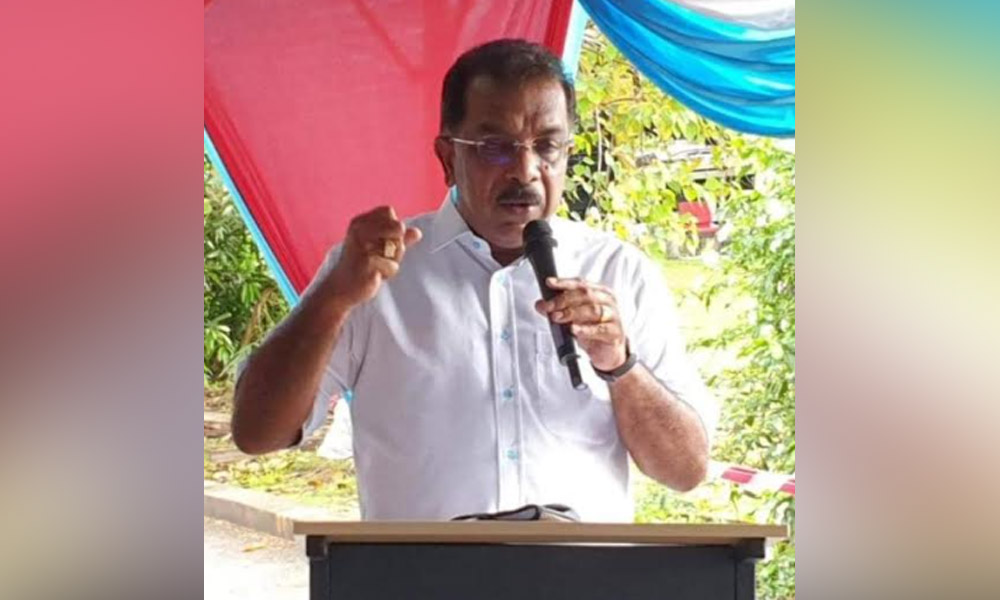
However, Saravanan (above) said the government should be given space to determine the board's appointees and how it can best function for the benefit of the rakyat.
"We'll leave it to the government to decide how the board is overseen and who will lead it," he told reporters last night at the sidelines of a campaign event for the Ayer Kuning by-election.
"What matters is (the board's) main objective to handle issues involving non-Muslims properly and harmoniously," he said.
Yesterday, PKR's Sentosa assemblyperson RG Gunaraj urged the government to consider establishing the advisory board as part of efforts to better manage issues involving non-Muslims' houses of worship and religious sensitivities.
In a statement, Gunaraj said such a board could coordinate the registration of non-Muslim places of worship while mediating land and zoning disputes.
He added that the board, which would ideally complement existing state-level mechanisms, such as Selangor's special committee for Buddhism, Christianity, Hinduism, Sikhism and Taoism, could help formulate inclusive policies deemed fair for all religious communities.
He also cited the use of the "illegal temple" term as a long-standing issue faced by non-Muslim communities, labelling the phrase as "legally and culturally" inaccurate.
‘Illegal temple’ term
On Monday, Saravanan urged Prime Minister Anwar Ibrahim to ban government agencies and departments from using the term.
Saravanan's appeal to Anwar via a letter came after a response from the Taiping Hospital management to a complaint regarding a place of worship located on its premises.
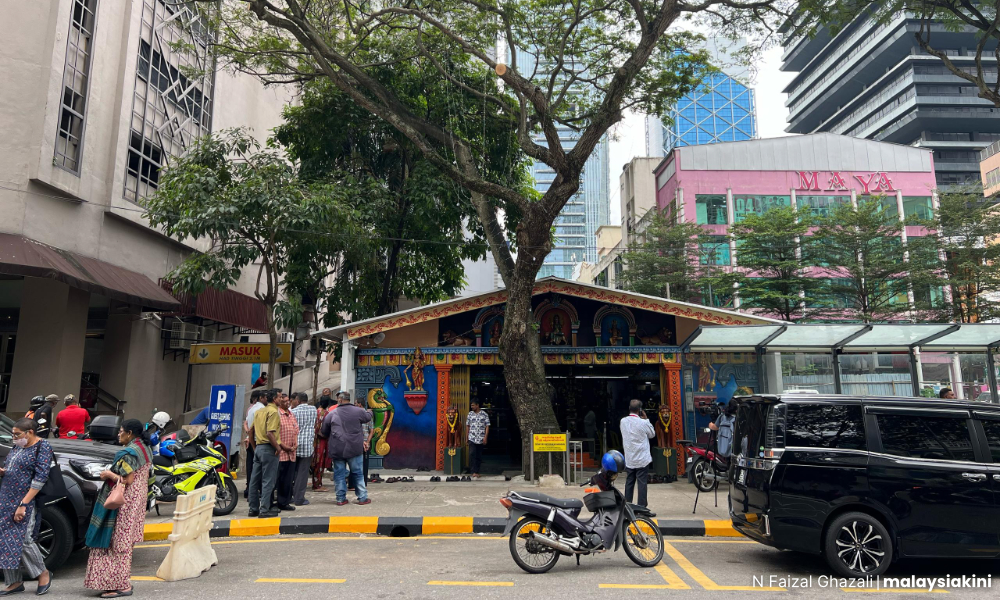
Strongly objecting to the language used in the title of the management's response to the complaint, Saravanan highlighted that many of these temples have existed for decades, long before the enactment of the National Land Code in 1965.
He also said the prime minister does not require the cabinet's approval to issue a directive preventing government entities from using the phrase.
The controversial relocation of the 130-year-old Dewi Sri Pathrakaliamman Temple in Kuala Lumpur to make way for the Madani Mosque sparked mixed reactions and debates.
Amid heightened tensions, some netizens opted to take issue with the legal status of Hindu temples in Malaysia.
/file/publisher-c1a3f893382d2b2f8a9aa22a654d9c97/2024/09/312d8940e4a71f4f59aab86584aeea6b.jpg)
/file/publisher-c1a3f893382d2b2f8a9aa22a654d9c97/2025/04/a72c2a861a3282b5f28f017b94a4f23a.jpg)
/file/publisher-c1a3f893382d2b2f8a9aa22a654d9c97/2024/08/79bcb6f10d41af4dbfd5f22b171a6c82.jpg)
/file/publisher-c1a3f893382d2b2f8a9aa22a654d9c97/2023/11/600ed2bae6d7d1ba38d8d7d23a12f024.jpg)


Are you sure you want to delete this comment?
This action cannot be undone.