


/file/publisher-c1a3f893382d2b2f8a9aa22a654d9c97/2022/12/8fde8817a2e5e02d350fd76645a12789.jpg)

Suhakam pans AGC’s silence on deaths in custody, calls for inquest
The commission was referring to its investigations into the deaths of Pakistani national Jamshed Ahmad at the Bukit Jalil immigration depot and local Zaidi Abdul Hamid at the Pokok Sena Prison...
Summary
Suhakam claims the Attorney-General’s Chambers kept mum over its calls for inquests to be held over two deaths in custody
Commissioner Noor Aziah Awal reminds AGC that it is legally obligated to respond to Suhakam’s correspondence under the Human Rights Commission of Malaysia Act 1999.
Suhakam has expressed dismay over the Attorney-General's Chambers (AGC) continued silence over its repeated appeals to hold an inquest into the deaths of two inmates in separate detention centres last year.
The commission was referring to its investigations into the deaths of Pakistani national Jamshed Ahmad at the Bukit Jalil immigration depot and local Zaidi Abdul Hamid at the Pokok Sena Prison.
At a press conference today, a panel of Suhakam commissioners pointed out they found reasonable merits to claims of insufficient medical care and unjust treatment while both were under detention when presenting their findings today.
Taking the AGC to task, Suhakam commissioner Noor Aziah Awal said the former’s inaction goes against recent amendments to the Human Rights Commission of Malaysia Act 1999 on authorities' obligation to respond to Suhakam.

"Under the amendments, any agency that we write to has to answer us. The amendments were put in place because when we previously wrote to agencies to inform them of our findings, they would just keep quiet.
"Now, they should be responding to us, but they're not.
"Suhakam can hold a public inquiry, but it's very taxing for us to do so (when) the AGC has the necessary resources," she said.
Also present at the presser today were fellow commissioners Chew Chee Ming, Nazira Abdul Rahim and Mariati Robert.
Two letters sent
Elaborating, the commissioners said Suhakam had first delivered its investigation report on Jamshed's death on June 26, 2024.
Following the AGC's failure to reply, the commission then sent a follow-up on Sept 10, the same year, which was also left unanswered.
And despite being kept in the loop regarding communications with other agencies over Zaidi's death, the AGC has also kept mum on the proposed inquest for his case.
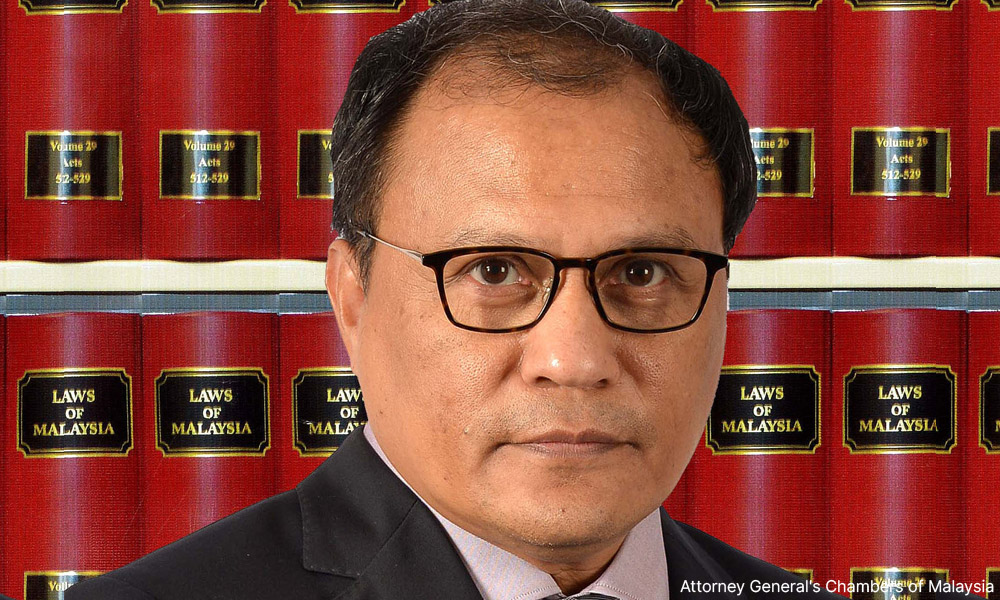
Aziah said while the commission has not set a deadline for the AGC's response, the latter has a duty to ensure justice is carried out for those who have lost their lives.
She added that the process would help provide closure to the victims' families and ensure better procedural adherence moving forward.
Little medical care
Elaborating on the cases, the panel said Jamshed was arrested during a raid on his house in Rawang on Jan 6, 2024. He was then brought to the immigration depot before being transported to a hospital three days later.
Jamshed later died on Jan 15 - just over a week after he was first detained.
Reading out a statement, Mariati said their investigations found basis for complaints that his death was due to the authorities' alleged failure to provide him with his needed insulin shots.
Investigations also found that Jamshed had not undergone a required initial health check when he was detained.
The established procedure had not been adhered to, Mariati said, as the man was arrested on a Saturday while the medical personnel at the immigration depot only work on weekdays.
Plus, Mariati said there was no follow-up action taken by medical assistants on Jan 8 (Monday), to determine whether the detainee suffered from any ailments.
"The medical assistants did not know of his diabetic condition requiring a daily insulin shot until (Jamshed) fainted in his cell on Jan 9," she said.
Mariati also highlighted that Jamshed and those arrested were forced to strip naked in an open area for a physical check.
While female detainees were ordered to remove their clothing in a bathroom, the door was left open, which left them bare to the eyes of all - including male officers.
As for Zaidi’s case, Suhakam found the 49-year-old also did not receive proper medical attention, particularly after he was subjected to 12 lashes of the cane.
The commission's suspicions that his caning wound had not been properly treated were confirmed by the autopsy's finding, which concluded that Zaidi's system contained no antibiotics, normally used to remedy pus.
Zaidi’s death certificate, previously sighted by Malaysiakini, listed the cause of death as “septic sequelae to blunt force trauma to the gluteal region.”
While Zaidi was initially sentenced to death in 2015, the abolition of the mandatory death penalty in Malaysia saw his sentence being commuted on Sept 10 to 33 years in prison, along with 12 strokes of the cane.
/file/publisher-c1a3f893382d2b2f8a9aa22a654d9c97/2025/04/41d6c8d049bf4e26629c75cce9b3fd6c.jpg)
/file/publisher-c1a3f893382d2b2f8a9aa22a654d9c97/2024/10/7b14f740bb44c2e467fcdcd97cd61a9a.jpg)
/file/publisher-c1a3f893382d2b2f8a9aa22a654d9c97/2019/07/a6f136e52b5f9f4ae4e3d4f98de11d94.jpg)
/file/publisher-c1a3f893382d2b2f8a9aa22a654d9c97/2024/03/f07b1a30b24768ec4dca61dab8e85ca2.jpg)


Are you sure you want to delete this comment?
This action cannot be undone.