


/file/publisher-c1a3f893382d2b2f8a9aa22a654d9c97/2025/06/adfd44ac55567819533ec7dd8300f379.jpg)

Anwar gets stay of proceedings in Yusoff lawsuit
Prime Minister Anwar Ibrahim received a temporary reprieve in the civil proceedings brought against him by his former aide, Yusoff Rawther, after the Court of Appeal granted a stay today.
A three-member bench chaired by judge Che Ruzima Ghazali said a stay should be granted as Anwar had shown special circumstances, pending his appeal at the Federal Court to refer eight constitutional questions, the New Straits Times reported.
"We find that...
Summary
Court of Appeal grants Anwar Ibrahim a stay in the civil proceedings brought against him by his former aide Yusoff Rawther.
The three-judge panel's decision means the High Court trial will be suspended while the appellate court considers the prime minister’s constitutional challenge.
Prime Minister Anwar Ibrahim received a temporary reprieve in the civil proceedings brought against him by his former aide, Yusoff Rawther, after the Court of Appeal granted a stay today.
A three-member bench chaired by judge Che Ruzima Ghazali said a stay should be granted as Anwar had shown special circumstances, pending his appeal at the Federal Court to refer eight constitutional questions, the New Straits Times reported.
“We find that a stay of proceedings should be granted due to special circumstances, mainly because without a stay, the appeal would be rendered nugatory.
“We also find no prejudice to any party,” Che Ruzima said.
Other judges in the panel were Wong Kian Kheong and Lim Hock Leng.
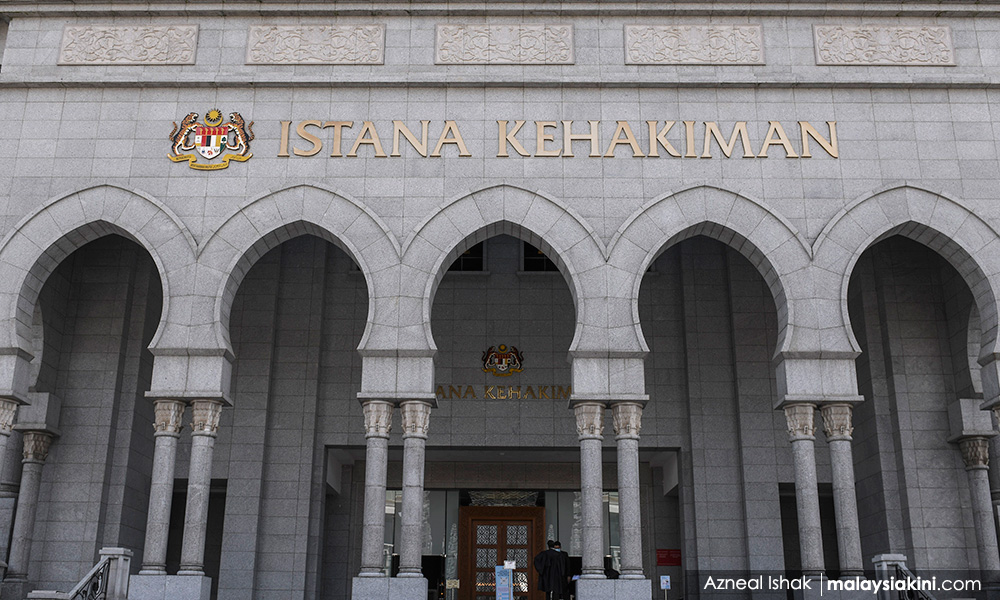
On June 10, the Court of Appeal issued an interim stay on all proceedings in the civil suit, in which Yusoff accused Anwar of sexual assault in 2018.
Today’s ruling follows the panel’s earlier decision to allow Anwar’s application for a temporary halt pending his bid for a full stay of proceedings.
Lawyers’ arguments
NST also reported Anwar’s counsel Alan Wong arguing that denying a stay would make the Federal Court referral application meaningless.
He contended that allowing the trial to continue would force Anwar, in his capacity as serving prime minister, to redirect focus and resources towards the court case, hampering government operations for a week.
However, Yusoff’s solicitor Rafique Rashid Ali disputed this, maintaining that the proceedings would not compromise Anwar’s prime ministerial duties.
Rafique reportedly pointed out that the trial schedule was established 12 months prior, giving Anwar ample notice of his court obligations.
On June 4, the Kuala Lumpur High Court dismissed Anwar’s application to halt the civil suit by Yusoff over alleged sexual assault.

Judge Roz Mawar Rozain found that Anwar’s claims of immunity and potential harm to his executive functions had no constitutional basis, emphasising that all individuals are equal before the law.
In her judgment, Roz noted that Anwar’s application did not claim the lawsuit would hinder his ability to carry out his constitutional duties, nor was any evidence provided to support such a claim.
READ MORE: High Court grounds of judgment rejecting Anwar's bid to pause lawsuit
The court ruled that the eight constitutional questions raised by Anwar did not meet the required legal standard.
Anwar not avoiding trial or delaying justice
In a statement, Anwar’s lawyer, Rajasegaran S Krishnan, said the panel’s decision means the High Court trial will be suspended whilst the appellate court considers Anwar’s constitutional challenge.
“This is not an attempt by the prime minister to avoid trial or delay justice. He is not claiming to be immune from civil suits. What he is asking for is something every citizen is entitled to: a proper legal process and the right to raise constitutional questions of public importance before the trial begins,” Rajasegaran said.
He stressed that the eight questions raised are “serious and unprecedented”.
Rajasegaran iterated that these are not mere legal technicalities, and if the questions are left unanswered, the door would be open for any prime minister, regardless of who holds office, “to be targeted with private lawsuits timed for maximum political damage.”
“This affects the stability of the executive branch and raises concerns about the abuse of court processes for political ends.
“The stay granted today ensures that the Court of Appeal and, ultimately, the Federal Court can properly consider these constitutional issues before any trial takes place. It protects the dignity of the office, not the person.
“The prime minister has nothing to hide and is ready to answer all claims, but through a process that respects the Federal Constitution and the balance of powers it protects,” Rajasegaran added.
/file/publisher-c1a3f893382d2b2f8a9aa22a654d9c97/2025/07/d67811672e0235bde637610b3290490e.jpg)
/file/publisher-c1a3f893382d2b2f8a9aa22a654d9c97/2025/07/ec00abb3d2d84aacaec77677812a03c7.jpg)
/file/publisher-c1a3f893382d2b2f8a9aa22a654d9c97/2025/07/2dc0f944b28641282569d4736ed05ede.jpg)
/file/publisher-c1a3f893382d2b2f8a9aa22a654d9c97/2024/11/97f970a1413b091b2664423c6d5caa4b.jpg)
/file/publisher-c1a3f893382d2b2f8a9aa22a654d9c97/2025/06/a97b480602fcf9a0f026071bb35ab92b.jpg)


Are you sure you want to delete this comment?
This action cannot be undone.