


/file/publisher-c1a3f893382d2b2f8a9aa22a654d9c97/2025/08/faf83930a74fdd8a4f4788db858f8e43.jpg)

Warisan's pledge to erase student debts sparks rift within GRS
It has also revealed an unexpected divergence of opinion within the ruling Gabungan Rakyat Sabah (GRS) coalition.
The plan drew...
Summary
Warisan’s student loan pledge gains Sabah Star’s support, but GRS ally Gagasan slams it as populist.
Sabah Star leader Kalakau Untol argues the proposal deserves bipartisan support as Sabah youths struggle with unemployment.
Sabah opposition party Warisan’s sweeping proposal to abolish all educational debts for Sabahans has stirred widespread debate across local circles.
It has also revealed an unexpected divergence of opinion within the ruling Gabungan Rakyat Sabah (GRS) coalition.
The plan drew swift condemnation from Gagasan Rakyat Sabah (Gagasan) information chief Nizam Abu Bakar Titingan, who dismissed it as a mere election ploy.
Nizam, who is an assistant minister in the Chief Minister’s Department, criticised Warisan president Shafie Apdal’s proposal, arguing that Shafie could have implemented such measures during his time as chief minister between 2018 and 2020 - but did not.
“It is a populist political promise timed for the coming state election. The fact remains that not a single education debt was written off when he was chief minister.
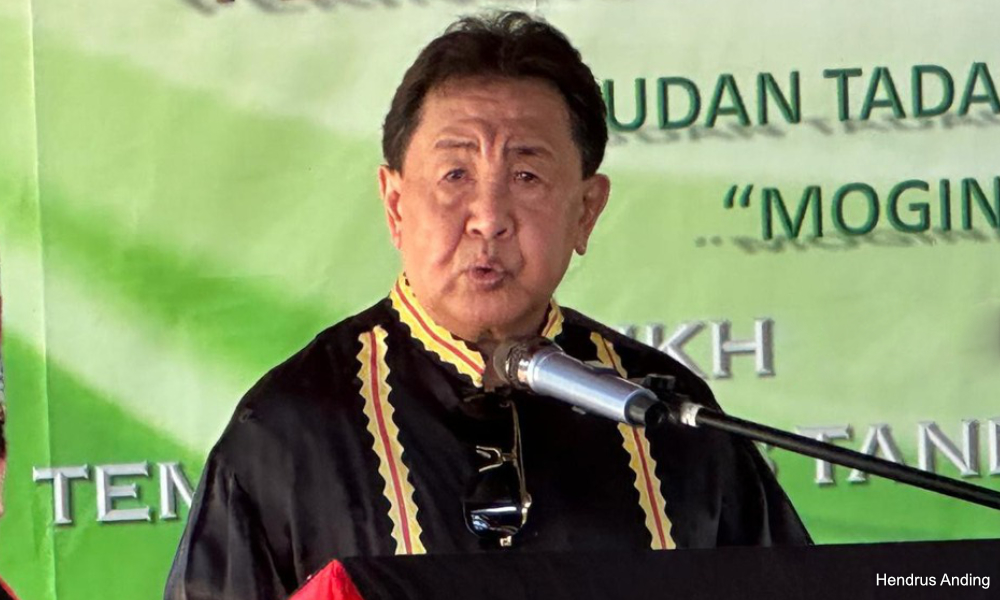
“The people of Sabah know the difference between an election promise and actual achievements,” Nizam (above) said.
However, Sabah Star leader Kalakau Untol backed the idea, describing efforts to resolve education debts among Sabahans as something all political parties should support.
“In view of the economic challenges, Shafie’s promise deserves to be supported. Many Sabahan students are burdened by debt and struggle to find jobs after graduation,” he said in Kota Kinabalu on Tuesday.
According to Untol, the job outlook for many Sabah graduates remains grim. Even degree holders struggle to earn more than RM1,800 per month, he said.
He argued that easing the financial burdens on youth is not only about loan forgiveness, but also about long-term social stability and economic well-being.
“Our younger generation should be focusing on starting their lives. It’s sad to see them carrying heavy debts,” he said.
As such, he argued the proposal deserved bipartisan support.
“Whether in government or the opposition, we must come together to support this initiative. Our responsibility is to the people, not our political positions,” Untol said.
Despite positioning it as a show of bipartisanship, Untol’s remarks came amid speculation that Sabah Star may exit the GRS coalition.
A 13-second video clip circulated by MalaysiaNow on TikTok last month showed Sabah Star president Jeffrey Kitingan saying: “Yes, we will leave GRS. But remain in government”.
Kitingan later downplayed the remarks, saying they were taken out of context. He claimed the comments were hypothetical and referred to what he would do if GRS were forced to work with BN or Pakatan Harapan in the next state election.
Since then, GRS chief Hajiji Noor has announced that the coalition will partner with Harapan in the Sabah polls. Harapan is also partnering with BN.
Kitingan, who has taken a “Sabah first” stance, has not responded to Hajiji’s decision to align GRS with the peninsula-based Harapan.
Shafie’s vision: Education without debt
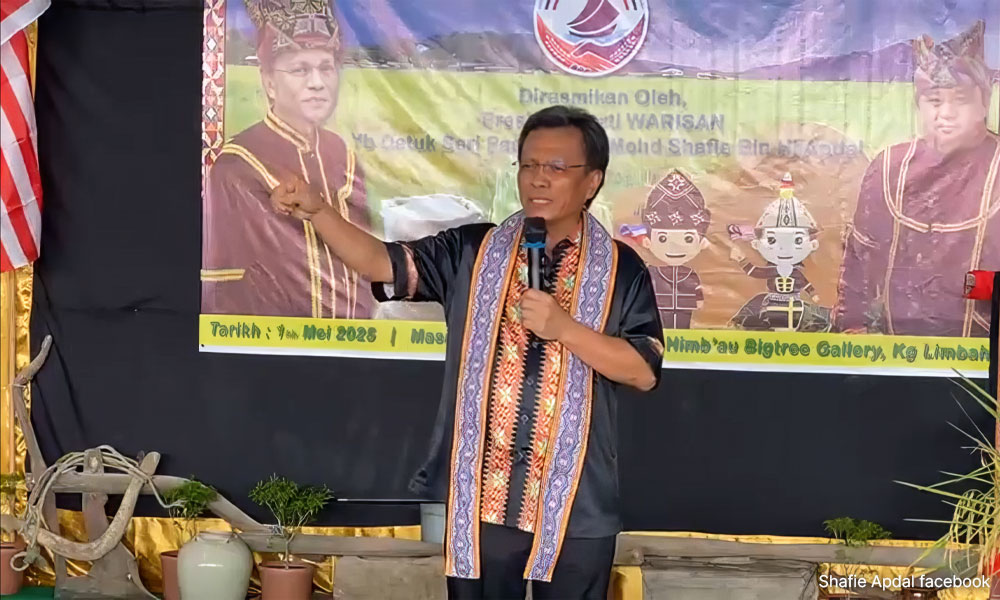
Shafie pledged on Sunday to write off or repay education loans once the state achieved financial stability under his leadership.
The plan was seen as part of Warisan’s potential election manifesto, with the former chief minister stating it would cover both Yayasan Sabah study loans and debts incurred through the National Higher Education Fund Corporation (PTPTN).
No Malaysian state has ever fully written off PTPTN loans. Sarawak introduced a partial repayment scheme in 2021 that covered 30 percent of eligible debts.
“Graduates who are working but still burdened by PTPTN loans, who struggle to pay rent or even afford a car - I will settle their loans,” Shafie said, adding that the initiative would depend on Yayasan Sabah’s financial health.
He also promised to cancel Yayasan Sabah loans owed by government officers, whether serving or retired, and to offer full university scholarships for Sabahans in key fields like engineering and medicine, once the state’s finances allow.
The proposal, while viewed as an election pitch, was also framed as part of a broader vision to ensure that the state’s resources directly benefit its people.
It has resonated with Sabahans, especially the youth.
“Getting a job in Sabah is already hard. But trying to start a life while servicing a RM200-a-month loan is worse,” said one graduate, who requested anonymity.
/file/publisher-c1a3f893382d2b2f8a9aa22a654d9c97/2024/11/d5fcac1fb43f831a6814c0d3558e9809.jpg)
/file/publisher-c1a3f893382d2b2f8a9aa22a654d9c97/2025/07/7f0023c938c1b11925754a5d299bbe19.jpg)
/file/publisher-c1a3f893382d2b2f8a9aa22a654d9c97/2024/10/5855d72188daa8a95d22cb8fc51c822d.png)


Report this comment
Are you sure you want to delete this comment?
This action cannot be undone.