


/file/publisher-c1a3f893382d2b2f8a9aa22a654d9c97/2025/01/b1336118ec229b06aeb6a154597fae85.png)

Blind justice will crown politicians champion, PSM jabs graft statistics
If the MACC and Attorney-General’s Chambers acted without fear or favour, the statistics for corruption would tell a different story, quipped PSM deputy chairperson S Arutchelvan.
According to him, politicians, and not civil servants, would top the list.
“From north to south, east to west, Malaysian prisons would be...
If the MACC and Attorney-General’s Chambers acted without fear or favour, the statistics for corruption would tell a different story, quipped PSM deputy chairperson S Arutchelvan.
According to him, politicians, and not civil servants, would top the list.
“From north to south, east to west, Malaysian prisons would be overflowing with politicians, their families and cronies. We might even have to cancel Parliament for lack of a quorum,” he told Malaysiakini.
“In some states, even the speaker of the state assembly might be missing in action,” he added, in a clear nod to the Sabah mining scandal.
Arutchelvan was responding to Minister in the Prime Minister’s Department (Law and Institutional Reform) Azalina Othman Said’s revelation that civil servants formed the bulk of bribery cases, with a staggering 2,965 public sector personnel arrested between 2015 and June 30 this year.

By contrast, the private sector saw 1,101 arrests for receiving bribes and 511 for offering them. Politicians, however, sat comfortably at the bottom of the list - just 31 arrested for receiving bribes and a mere six for offering them.
Arutchelvan said that given the current scenario, it is hardly surprising the government is dragging its feet on separating the roles of attorney-general and public prosecutor, insisting instead on conducting studies.
Previously, Azalina said the government is still studying and evaluating the proposed separation of the roles but hoped that a decision on the matter can be reached before the next general election.
“If you are a prosecutor, sometimes you end up serving in that role for many years, as it is a specialised scheme requiring specialised knowledge.
“So, under the Madani government, we are conducting an empirical study and comparing our system with those of other countries to determine whether our prosecutors should be 100 per cent dedicated to prosecution work,” she said.
Sabah scandal
Arutchelvan said enforcement agencies leap into action when ordinary citizens are involved, but shift into “slow motion” when it comes to politicians, their kin, or their allies.
“Unless, of course, you’re not part of the ruling elite. Then they descend on you with the full force of the law. Otherwise, there’s no investigation. And if by some miracle there is one, it ends up stamped ‘NFA’ (no further action),” he said.
He added that this long-standing tradition appears alive and well under the Pakatan Harapan-led Madani government.
Citing the Sabah scandal as a “glaring example”, Arutchelvan noted that only two assemblypersons were charged, despite a flood of videos, WhatsApp messages, and documents.
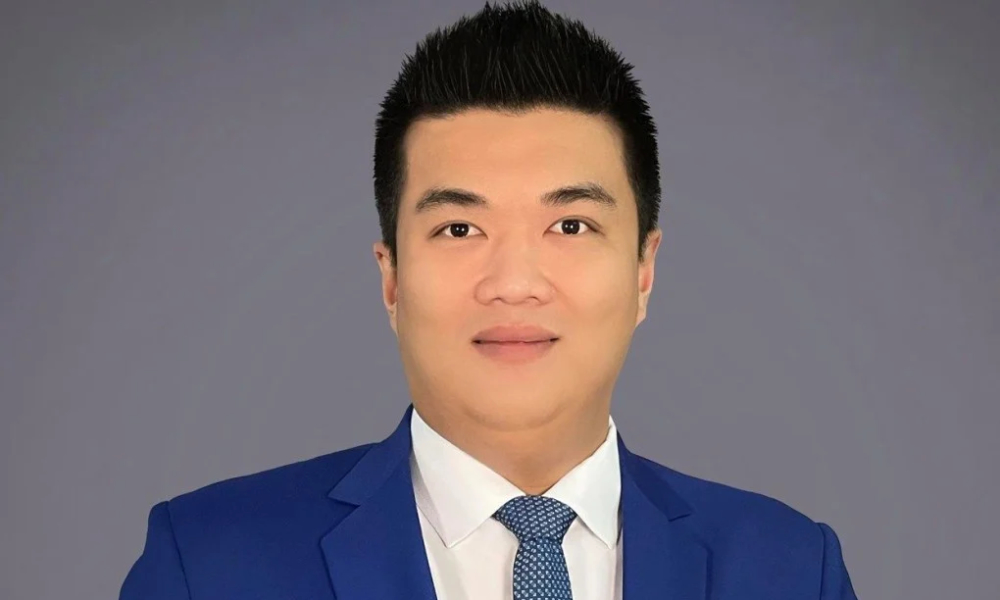
“What about the rest? So many were implicated, including the speaker (Kadzim Yahya),” he said.
The mining scandal first broke in November last year when businessperson Albert Tei released videos and WhatsApp messages allegedly showing several Gabungan Rakyat Sabah assemblypersons accepting bribes in exchange for mineral exploration licences.
Seven months later, two assemblypersons and Tei were charged, raising questions over why others - including senior state cabinet members - had not been prosecuted.
In June, Malaysiakini reported that six more politicians had been implicated. To date, the MACC has remained silent on this revelation.
/file/publisher-c1a3f893382d2b2f8a9aa22a654d9c97/2025/06/0ab0bcb7fd2e88f72c6a2a53996d03a9.jpg)
/file/publisher-c1a3f893382d2b2f8a9aa22a654d9c97/2025/08/c8a7be1b65b4d3ddd1f3db797af93bb7.jpg)
/file/publisher-c1a3f893382d2b2f8a9aa22a654d9c97/2025/07/adcbcf6b7acf77091aa7859e15495b93.jpg)
/file/publisher-c1a3f893382d2b2f8a9aa22a654d9c97/2022/07/76d8714cc90a8c42a171d5a1202e046a.jpg)


Are you sure you want to delete this comment?
This action cannot be undone.