


UK experts condemn Trump for linking paracetamol to autism
US President Donald Trump has claimed that using paracetamol during pregnancy may be linked to the development of autism - an assertion widely criticised by medical experts in the UK.
Trump referred to a "meteoric rise" in autism cases and suggested that Tylenol – the US brand name for paracetamol – could be a contributing factor.
He further advised against its use "during the entire pregnancy," and also reiterated long-discredited claims raising concerns about vaccines.
UK scientists strongly rejected the remarks, with some issuing statements even before Trump delivered his speech.
One expert warned that such claims "risk stigmatising families who have autistic children as having brought it on themselves."
‘New guidance’
The president had claimed: "There are certain groups of people that don't take vaccines and don't take any pills, that have no autism.
"Is that a correct statement?" he said, turning to US Health Secretary Robert F Kennedy Jr.
Trump said the US Food and Drug Administration (FDA) would be notifying all US doctors with new guidance.
"Ideally, you don't take it at all, but if you have to, if you can't tough it out, if there's a problem, you're going to end up doing it."
Experts said the rise in cases in the US is mainly because of a new definition for the disorder that now includes mild cases on a spectrum and better diagnoses.

In the UK, the NHS website says "paracetamol is the first choice of painkiller if you're pregnant. It's commonly taken during pregnancy and does not harm your baby."
No evidence
Dr Monique Botha, associate professor in social and developmental psychology at Durham University, said there are many studies which refute a link.
“The most important was a Swedish study of 2.4 million births published in 2024, which used actual sibling data and found no relationship between exposure to paracetamol in utero and subsequent autism, ADHD or intellectual disability.
"This suggests no causal effect of paracetamol in autism," she said.
Botha expressed confidence that no relationship exists.
"There is no robust evidence or convincing studies to suggest there is any causal relationship and any conclusions being drawn to the contrary are often motivated, under-evidenced, and unsupported by the most robust methods to answering this question,” she added.
Botha pointed out that pain relief for pregnant women was woefully lacking.
“Paracetamol is a much safer pain relief option during pregnancy than basically any other alternative, and we need to take pain seriously for women, including whilst pregnant.
"The fearmongering will prevent women from accessing the appropriate care during pregnancy,” she added.
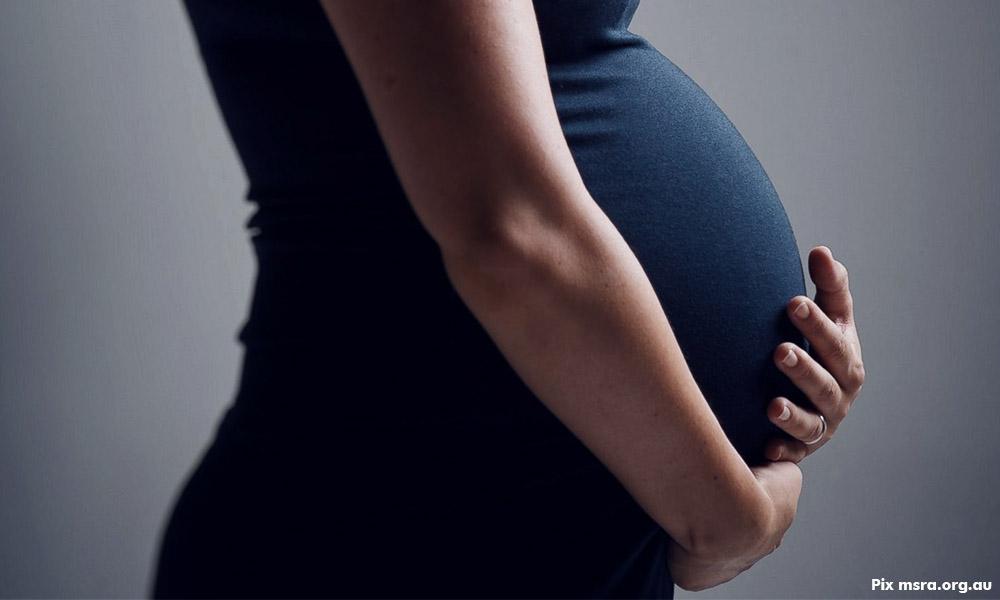
On the stigma and perception that the mother was at fault, Botha said such claims reinvigorates the long pattern of maternal shame and blame.
“(This is something) we've seen re-emerge repeatedly over the last 70 years where we try to pay the fault of autism at the mother's door one way or another," she added.
Autism factors
Obstetrics and gynaecology professor at University College London Dimitrios Siassakos said autism results from several factors.
“They are often combined, particularly genetic predisposition, and sometimes low oxygen at the time of birth as a result of complications.
"Research has shown that any apparent marginal increase as a result of paracetamol/acetaminophen use in pregnancy tends to disappear when the analyses take into account the factors that matter most.
"For example, in studies looking at siblings, any association disappeared – it was the family history that mattered and not the use of paracetamol,” he said.
The honorary consultant in obstetrics added that undue focus on paracetamol would risk preventing families from using one of the safest medications to use in pregnancy.
Royal Pharmaceutical Society president Claire Anderson assured that millions have safely used paracetamol for decades, including during pregnancy, when taken as directed.
"It is the first-line choice for pain management and fever control in a variety of patients, including pregnant women, children and the elderly.
"A large study conducted in 2024 found no evidence of a link between paracetamol use in pregnancy and an increased risk of autism in children," the professor said.
Autism misinformation
Mel Merritt, head of policy and campaigns at the National Autistic Society, criticised the incessant misinformation about autism.

“Trump and Kennedy risk undermining decades of research by respected experts in the field.
"Understandably, autistic people will be dismayed and frightened by this announcement, and we would urge our government and the NHS to stand by autistic people and to condemn this misinformation. To do otherwise risks creating further fear, stigmatisation, and harm.
"We urge anyone looking for information about autism to visit websites from trusted organisations such as the NHS and the National Autistic Society."
In August, a study from Harvard TH Chan School of Public Health and Mount Sinai Hospital reported that exposure to acetaminophen, which is also known as Tylenol or paracetamol, during pregnancy may mean children were more likely to develop neurodevelopmental disorders, including autism and ADHD.
They concluded that, while steps should be taken to limit acetaminophen use, the drug was important for treating fever and pain in mothers, which could also harm babies.






Report this comment
Are you sure you want to delete this comment?
This action cannot be undone.