


/file/publisher-c1a3f893382d2b2f8a9aa22a654d9c97/2024/11/7ca22c3e87dff1378e9b9a6e0651eaa8.jpg)

M'sia on track to achieve renewable energy capacity
Malaysia is now on a solid track to achieve 40 percent renewable energy capacity by 2035 and 70 percent by 2050 under the National Energy Transition Roadmap (NETR).
Deputy Prime Minister Fadillah Yusof said the country’s renewable energy capacity has so far reached 30 percent, led by solar energy, which contributes more than 5,000 megawatts.
Malaysia is now on a solid track to achieve 40 percent renewable energy capacity by 2035 and 70 percent by 2050 under the National Energy Transition Roadmap (NETR).
Deputy Prime Minister Fadillah Yusof said the country’s renewable energy capacity has so far reached 30 percent, led by solar energy, which contributes more than 5,000 megawatts.
“The next step is to decarbonise the electricity sector, including Malaysia’s bold commitment to reduce coal capacity by 50 percent by 2035 and completely phase out coal-fired power plants by 2044.
“This goal clearly accelerates the decarbonisation process while maintaining the country’s energy security and affordability,” he said on Facebook yesterday.
While coal has long been a key energy source that drives the country’s growth, providing stable and affordable electricity, Fadillah said the world is changing.
Hence, Malaysia must evolve to remain competitive, resilient, and sustainable in the face of the new global energy reality, the energy transition and water transformation minister added.
Through the implementation of NETR, Malaysia aims to achieve net-zero carbon by 2050, and the plan outlines a comprehensive approach that unites government policies, industry strategies and the country’s climate aspirations in a common direction.
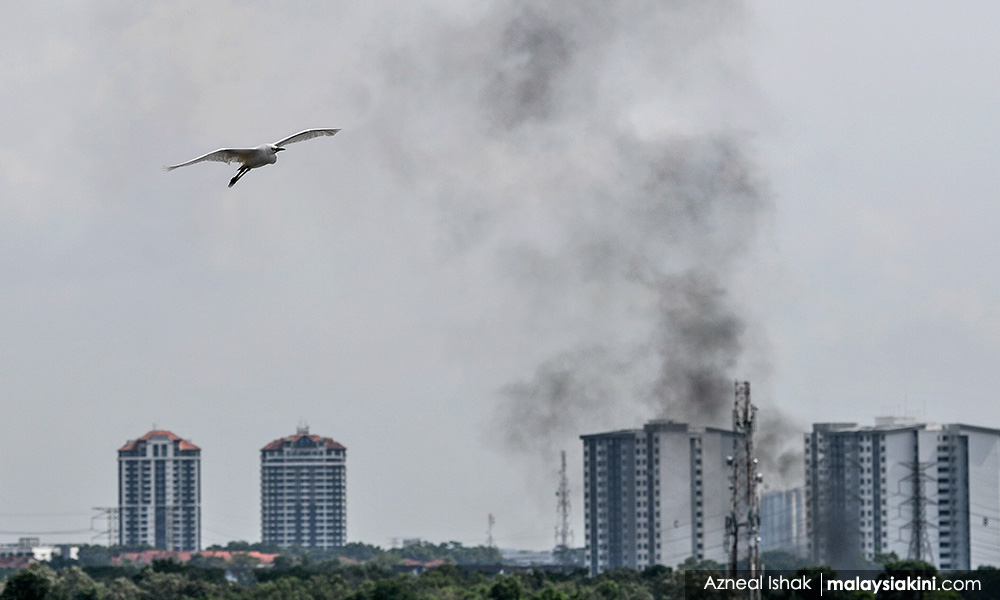
Fadillah said energy transition is not just about reducing carbon emissions but about building a people-centred energy system, ensuring affordable energy, ensuring national energy security, as well as generating high-quality job opportunities for Malaysians.
Sustainable energy future
Earlier, Fadillah launched “Malaysia’s Green Energy Future – Energy Sector Decarbonisation Dialogue Series”, an important initiative towards shaping a clean, safe and sustainable energy future.
He said the initiative was jointly led by his ministry and the World Economic Forum (WEF), which aims to accelerate Malaysia’s journey towards net-zero carbon by 2050 through the implementation of a series of technical workshops and high-level roundtables to be held in 2026.
According to him, the dialogue series held is not just a discussion space but a platform for real solutions and actions to accelerate the transformation of the country’s energy sector.
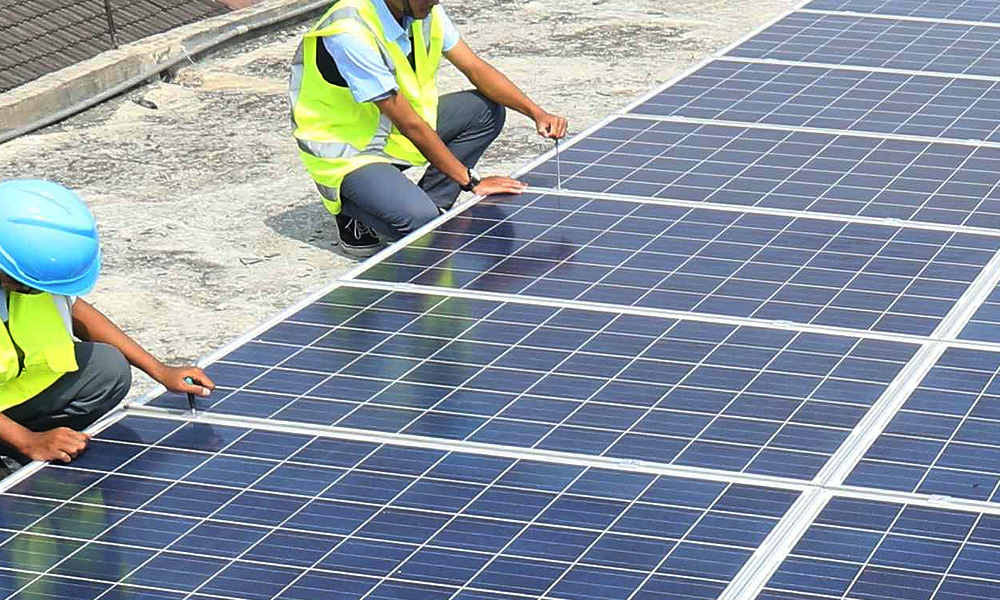
He said the main thrust of the transition is Malaysia’s commitment to the concept of “Just Energy Transition”, which ensures that communities, workers and industries are not left behind in the process of change.
“The biggest challenge we face is ensuring that this transition is implemented in an orderly, equitable, and economically viable manner.
“Therefore, innovative solutions are urgently needed to maintain grid stability, mobilise sustainable financing, and expand the use of technologies such as hydrogen, energy storage, carbon capture, and regional energy trading,” he added.
The Energy Sector Decarbonisation Dialogue Series will run for six to eight months and bring together global and local experts in technology, policy and finance to chart practical pathways to accelerate the decarbonisation of Malaysia’s energy sector.
- Bernama
/file/publisher-c1a3f893382d2b2f8a9aa22a654d9c97/2024/08/75c47ab7fcb8ca6cfc2621d7f2d5d9b7.jpg)
/file/publisher-c1a3f893382d2b2f8a9aa22a654d9c97/2025/05/a167c3810989d2fe54aefedb07e14e79.jpg)
/file/publisher-c1a3f893382d2b2f8a9aa22a654d9c97/2025/06/591fe39e2f79d10c3f2baeeb9122b8fa.jpg)
/file/publisher-c1a3f893382d2b2f8a9aa22a654d9c97/2024/07/b98c40f5a3ff7c029877e8c07d9ebda7.jpg)


Are you sure you want to delete this comment?
This action cannot be undone.