


/file/publisher-c1a3f893382d2b2f8a9aa22a654d9c97/2026/01/4e5ca6caa085c874fdca62e15d6b8f23.jpg)

Three-way contest in Kinabatangan, straight fight for Lamag
In Kinabatangan, BN’s Naim Kurniawan Moktar, son of the late Bung Moktar Radin, will be going up against Warisan’s Saddi Abdul Rahman and independent candidate, lawyer Goldam Hamid...
The twin Kinabatangan and Lamag by-elections will see a three-cornered contest for the parliament seat, and a straight fight for the state seat as nominations close today.
In Kinabatangan, BN’s Naim Kurniawan Moktar, son of the late Bung Moktar Radin, will be going up against Warisan’s Saddi Abdul Rahman and independent candidate, lawyer Goldam Hamid (above).
Meanwhile, in Lamag, one of the three state seats under the Kinabatangan parliament, BN’s Ismail Ayob will be facing off with Warisan supreme council member Mazliwati Abdul Malek.
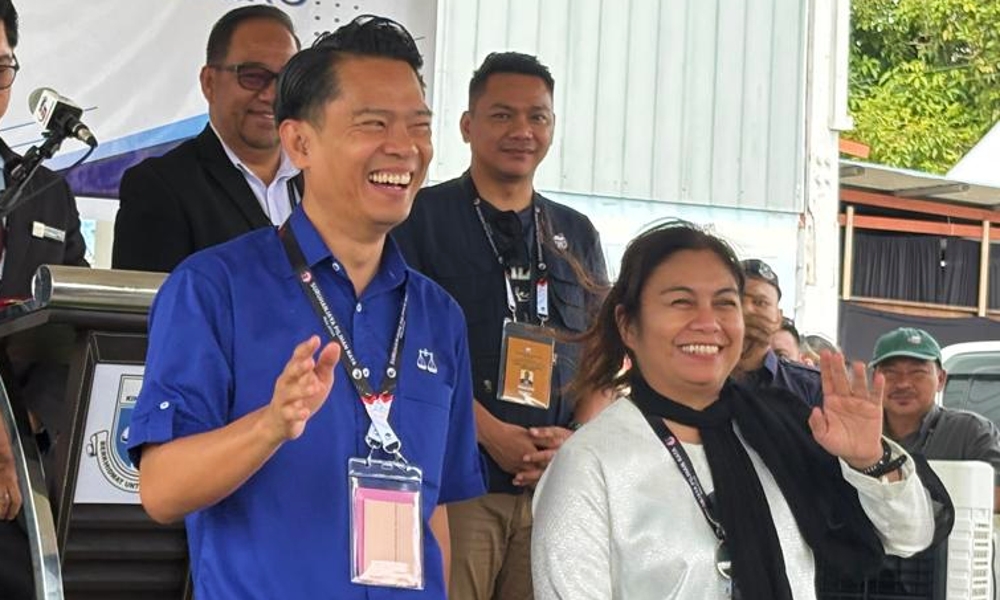
Bernama reported that returning officer Eddy Syaizul Rizam Abdullah announced the closure of the nomination centre at Dewan Sri Lamag at 10am, one hour after it opened.
Earlier, supporters of the contesting candidates arrived at the nomination centre as early as 6.30am, with fine weather prevailing throughout the process.
BN’s Naim and Ismail arrived at 8.10am, accompanied by Umno supreme council member Ahmad Maslan, and Sabah BN chairperson Jafry Ariffin.
Also present was Umno Youth chief Dr Akmal Saleh, who yesterday sparked speculations over his purported intention to quit the party.
Meanwhile, Warisan's candidates Saddi and Mazliwati arrived at 8.59am, escorted by vice-president Jaujan Sambakong, supporters, and nominators.
According to Bernama, independent candidate Goldam was the earliest to have arrived at 7.17am, accompanied by his supporters and nominators.
Bung’s demise
The Kinabatangan and Lamag by-elections were called following Bung’s death on Dec 5 last year.
Bung, 66, had held both seats, having retained Kinabatangan in the 15th general election with a 4,330-vote majority, defeating Warisan’s Mazliwati.
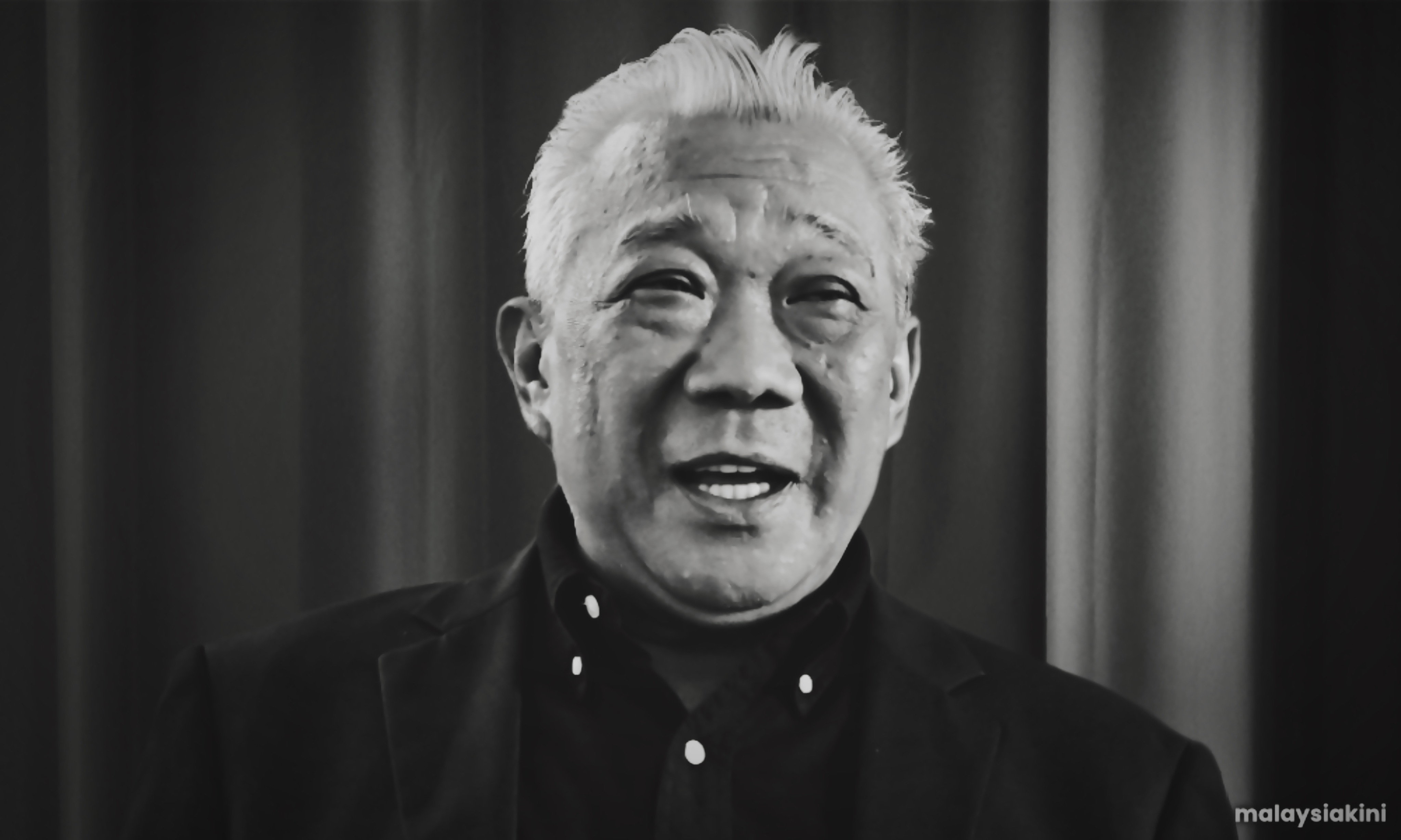
The former Sabah BN chairperson also defended the Lamag state seat with a 153-vote majority in a six-cornered contest in the 17th Sabah state election on Nov 29 last year.
The Election Commission has scheduled polling for Jan 24, with early voting on Jan 20. A total of 48,722 registered voters are eligible to cast their ballots, comprising 48,526 ordinary voters and 196 police personnel and their spouses.
Voting will take place across 36 polling centres with 117 streams and one early voting centre.
/file/publisher-c1a3f893382d2b2f8a9aa22a654d9c97/2026/01/24629e0d8fe868462d2e0f839cf4faed.jpg)
/file/publisher-c1a3f893382d2b2f8a9aa22a654d9c97/2025/12/06ffdcd4655a1e4507fa2748fa592a90.jpg)
/file/publisher-c1a3f893382d2b2f8a9aa22a654d9c97/2023/06/1048b0ea7550d6280ffa93a8c680aae9.jpg)
/file/publisher-c1a3f893382d2b2f8a9aa22a654d9c97/2025/12/35e1706ca7bb7ae800bfa89dac9d051d.jpg)


Report this comment
Are you sure you want to delete this comment?
This action cannot be undone.