


/file/publisher-c1a3f893382d2b2f8a9aa22a654d9c97/2021/01/3ccecf48e60d2de63e37e2fb8ff3b92a.jpg)

Federal govt information requests could cost RM10 under new law
Information requests to the federal government will cost RM10 under the proposed Freedom of Information (FOI) Act, scheduled to be tabled during the July sitting of Parliament.
Federal agencies and ministries will also be required to respond to each request within three days, or within 48 hours if it is an emergency, said the deputy director-general of the Prime Minister’s Department’s Legal Affairs Division (BHEUU), Punitha Silivarajoo.
If a request is rejected...
Information requests to the federal government will cost RM10 under the proposed Freedom of Information (FOI) Act, scheduled to be tabled during the July Parliament sitting.
Federal agencies and ministries will also be required to respond to each request within three days, or within 48 hours if it is an emergency, said the deputy director-general of the Prime Minister’s Department’s Legal Affairs Division (BHEUU), Punitha Silivarajoo.
If a request is rejected, the related agency must explain why in detail and cannot merely say “it falls under the Official Secrets Act (OSA),” she said.
Punitha is part of the team that developed the language of the bill for the Act.
These were among the points that she shared at a recent forum organised by Malaysiakini titled “The Freedom of Information Act and You”.
Punitha pointed out that affordability in obtaining information is an important element, as is accessibility.
“You cannot make it difficult for the public. It has to be simple and timely.
“You have to respond within a given time. In three days, we will let you know that we have received it and it’s being processed. For emergency requests, it will be within 48 hours,” she added.

Elaborating on the fee structure, Punitha said if an agency does not have the requested information and directs the applicant to another body, the individual does not have to pay RM10 again.
“So if you go to a new agency, you can mention that you already paid the fee. This is what we are working out because we don’t want to burden the public,” she said.
Punitha had been invited to the forum to give a broad view of how the law will function once it is passed by Parliament and gazetted.
She spoke about the extensive stakeholder engagements and the research conducted to ensure the law will be effective, as well as how the Act strives not to repeat the shortcomings of the Selangor and Penang FOI enactments.
Punitha also shared that the biggest challenge to making the FOI Act effective is changing the mindset of the civil service and its attitude towards government information.
Key institutional reform
FOI is one of the key institutional reforms that the Madani administration wants to implement this year.
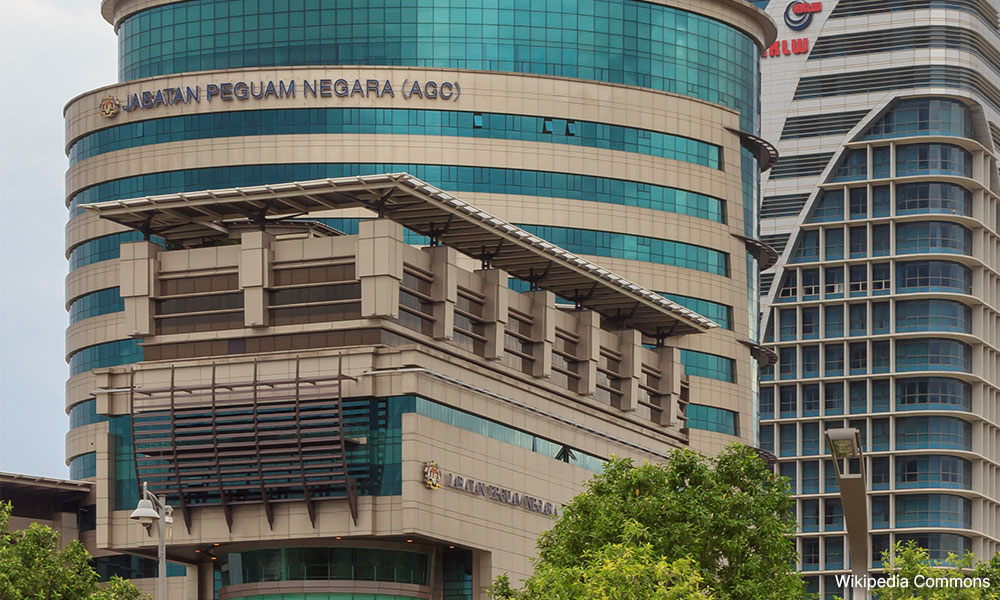
Other laws include one to separate the Attorney-General’s Chambers from the public prosecutor’s office and to create an Ombudsman to oversee cases of maladministration.
The FOI law aims to give anyone in Malaysia the ability to request information kept by the government except when it comes to matters that directly harm national security.
Malaysiakini’s forum brought together government representatives, media researchers, and civil society groups to discuss the proposed law and how to make it strong and effective.
Besides Punitha, the panel of experts included academic Sabariah Salleh of Universiti Kebangsaan Malaysia (UKM) and Irfan Shaharuddin from the Centre for Independent Journalism (CIJ).
Sabariah, who is part of fact-checking initiative JomCheck, said the FOI Act would help the public fight misinformation and disinformation.
“It can help build trust between the public and the government as the people will know how decisions are made,” said Sabariah, who is part of UKM’s Centre for Research in Media and Communication.
However, she also shared some concerns about how the Act could be misused, particularly by social media influencers.
Irfan similarly shared how the Madani administration must learn from the flaws of the Selangor and Penang FOI enactments.
This included not having a centralised payment system for processing FOI requests and not training civil servants to change their mindsets when it came to public applications for information.
“Many of them still don’t know (about FOI requests), so when people come to them to ask for information, they say it’s all under OSA, which is a blanket statement,” he said.
The forum also heard the importance of individual states to pass their own FOI laws once the federal law comes into effect.
/file/publisher-c1a3f893382d2b2f8a9aa22a654d9c97/2023/08/b29e6eedc54736414e0a52aaac189985.jpg)
/file/publisher-c1a3f893382d2b2f8a9aa22a654d9c97/2026/03/f7a869820d89b0f476939f49bf4abd06.jpg)
/file/publisher-c1a3f893382d2b2f8a9aa22a654d9c97/2022/10/e0a0d407558cd49c681de875fa96fb83.jpg)
/file/publisher-c1a3f893382d2b2f8a9aa22a654d9c97/2026/02/f645f86f7e46a90353ab959e65e965e1.jpg)
/file/publisher-c1a3f893382d2b2f8a9aa22a654d9c97/2026/02/d4a609dda9f2c7f669d93e59fe355389.jpg)
/file/publisher-c1a3f893382d2b2f8a9aa22a654d9c97/2026/01/fffa5800ab750e1a9fb30a4f5718c773.jpg)


Are you sure you want to delete this comment?
This action cannot be undone.