


/file/publisher-c1a3f893382d2b2f8a9aa22a654d9c97/2026/05/6bf8bb89ee2678d64a2bc8ad0d794637.jpg)

Activist raises concerns over welfare of Malaysian elephants at Osaka zoo
Speaking at a press conference in Petaling Jaya today, activist Shereen Yunos cited a report by veteran elephant conservation expert William Keith Lindsay, who described the zoo’s elephant enclosure as inadequate for the needs of the three animals.
According to Lindsay’s assessment, the enclosure spans only...
An animal welfare activist has raised concerns over the living conditions of three Malaysian elephants housed at Japan’s Tennoji Zoo, arguing that the enclosure falls well below international standards.
Speaking at a press conference in Petaling Jaya today, activist Shereen Yunos cited a report by veteran elephant conservation expert William Keith Lindsay, who described the zoo’s elephant enclosure as inadequate for the needs of the three animals.
According to Lindsay’s assessment, the enclosure spans only about 1,612 sq m.
While this meets the minimum requirements set by the Japan Association of Zoos and Aquariums (Jaza), he noted that it is significantly smaller than standards in Britain, where a minimum of 20,000 sq m is recommended for up to four elephants.
Shereen said Lindsay had referred to previous studies suggesting elephants require at least 100ha of space to exhibit behaviour resembling that seen in the wild.
He had warned that prolonged confinement could result in muscle deterioration, chronic joint problems, and bone-related diseases.

The report also criticised the enclosure’s design, describing it as highly artificial and unrepresentative of the natural habitat of Asian elephants.
Lindsay noted that the enclosure consists largely of concrete covered with sand, lacking vegetation, shaded areas, rivers, and mud, all of which are important for elephants’ natural behaviour.
“Since when do Asian elephants sit in concrete enclosures covered in sand? Our elephants sit in tropical forests full of trees, plants, grass, rivers, and mud.
“Suddenly going into a concrete enclosure and sitting in the desert, this is not right,” Shereen told a press conference in Petaling Jaya today.
Also present at the press conference were Protection of the Natural Heritage of Malaysia president Rajesh Nagarajan and Selangor Muda coordinator Abolqaz Anuar.
Noise, diet concerns
Shereen also pointed to stressors surrounding the zoo, which is located in the centre of Osaka near major roads and railway lines.
She said traffic noise, passing trains, public announcement systems, and constant visitor activity could contribute to stress among the elephants - Dara, Amoi, and Kelat, who are collectively known as DAK.
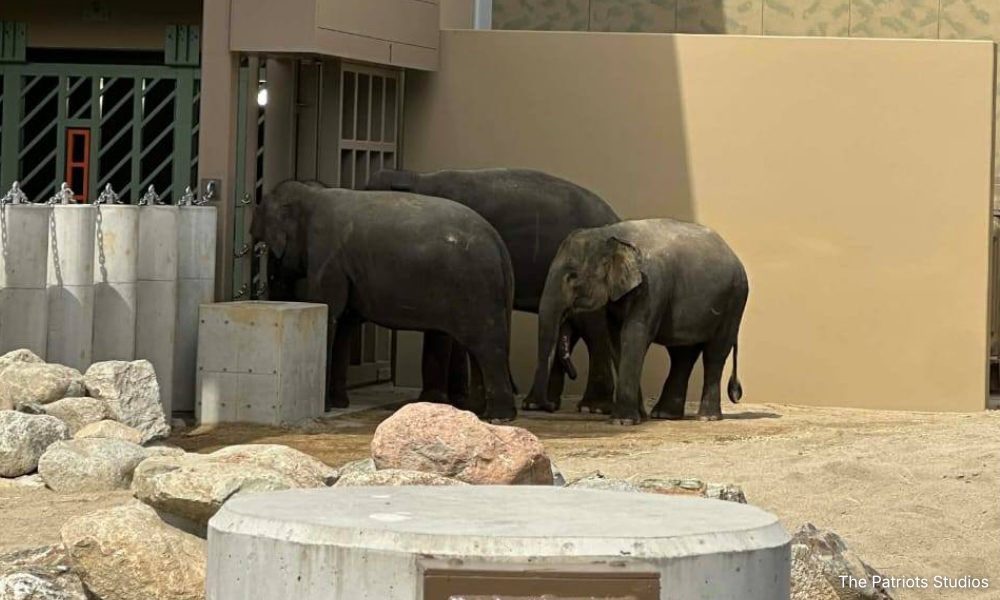
Their diet was another concern, she added, claiming the elephants were primarily fed dry grass rather than the more varied diet they would consume in their natural habitat.
“Our elephants eat fruits, sugarcane, and leaves. When they are not well, they know to look for medicine in the forest.
“Now they are there in barren land - where will they look for all this?” she asked.
Shereen further cited Lindsay’s report, which argued that elephant breeding or research programmes in zoos do not have a direct impact on the survival of the wild elephant population in its original habitat.
Viral photo of broken tusk
DAK are orphaned elephants rescued from different locations in Malaysia before being raised at the National Elephant Conservation Centre in Kuala Gandah, Pahang.
All three were sent to Japan on March 10 and arrived at Tennoji Zoo a day later.
Their transfer attracted public attention in recent weeks after a photograph showing Kelat with a broken tusk went viral on social media.
Malaysian visitors have also raised concerns about the condition of the elephants, including wounds reportedly seen on Dara and behavioural changes observed in Amoi.
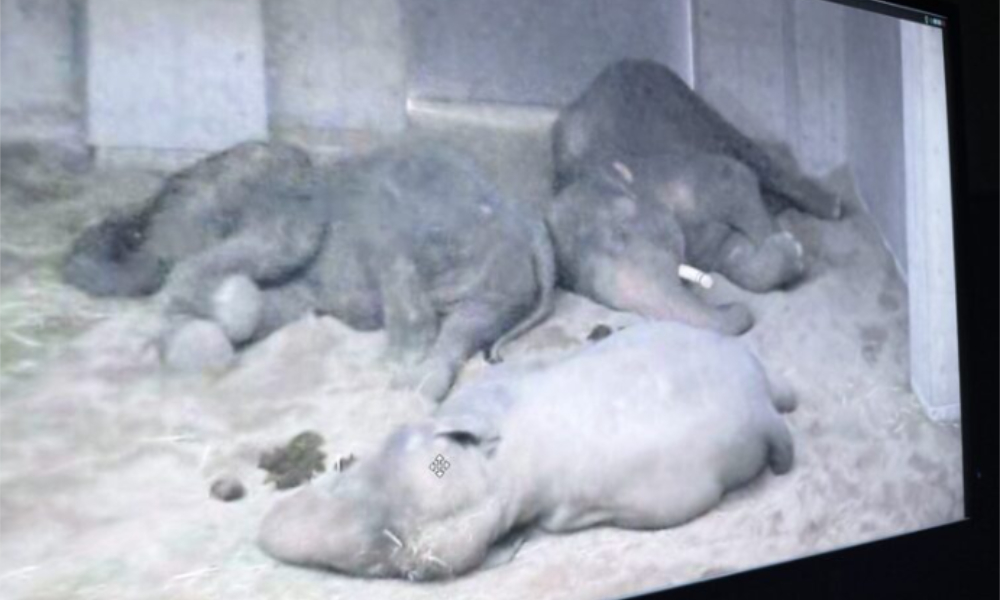
Shereen said this could indicate that the elephants are struggling to adapt to their new environment.
She further claimed that the three animals were showing symptoms of “zoochosis”, a behavioural disorder associated with chronic stress in captive animals.
“Zoochosis occurs when animals are in a state of prolonged stress until they start to show repetitive behaviour such as swinging their heads left and right throughout the day.
“They are also seen looking for each other and trying to maintain social relationships because elephants are animals that have emotions, feelings, and the ability to make their own decisions,” she said.
Shereen urged the government and relevant authorities to closely monitor the elephants' welfare and consider measures to safeguard their long-term well-being.
/file/publisher-c1a3f893382d2b2f8a9aa22a654d9c97/2026/05/6bf8bb89ee2678d64a2bc8ad0d794637.jpg)
/file/publisher-c1a3f893382d2b2f8a9aa22a654d9c97/2026/04/eb45df1f36543caecc27d566c6a19466.jpg)


Are you sure you want to delete this comment?
This action cannot be undone.