


Cancer centre hit by medical officers' shortage, patients face longer waits
A doctor at the centre told Free Malaysia Today that the centre may eventually reduce the number of appointments given to patients should the staff shortage continue...
A cancer treatment centre is suffering from a severe shortage of medical officers (MOs), reportedly leading to overwork and longer waiting times for patients.
A doctor at the centre told Free Malaysia Today that the centre may eventually reduce the number of appointments given to patients should the staff shortage continue.
The doctor, who requested anonymity, said the centre is finding it increasingly difficult to meet its target of seeing referred patients within two weeks.
“We have seen patients waiting three or four weeks. After that, they may have to wait for radiotherapy or chemotherapy.
“One delay can push back the next step, meaning treatment cannot start within the appropriate timeframe,” said the doctor.
Such delays, the doctor added, could cause patients' medical issues to become more complicated while increasing costs for the eventual treatment.
In addition, there are frequent complaints of patients having to wait more than four hours, adding that treatment hours may continue as late as 8pm.
The doctor mentioned that around 50 MOs are needed to sufficiently staff the centre, but the team was working with about only half that number.

“On paper, it may appear that we have enough staff, but the number of MOs actually available to see patients is much lower.”
The situation has worsened over the past two to three years as the centre has not replaced staff who had left, making it difficult when MOs take medical or study leave or are transferred to other facilities, the doctor stated.
‘Doctors’ health affected’
According to the report, the centre sees more than 3,300 new cancer cases and 33,000 follow-up patients annually, with up to 160 oncology patients and 100 chemotherapy patients attending daily.
“Sometimes, there are only eight doctors at the clinic and four at the day-care unit to see all these patients.
“These numbers do not include patients undergoing radiotherapy or those in the wards, who number up to hundreds every day,” the doctor explained.
The heavy workload and longer hours were causing prolonged stress for the MOs, and a few have sought psychiatric treatment over the emotional toll, the doctor said.
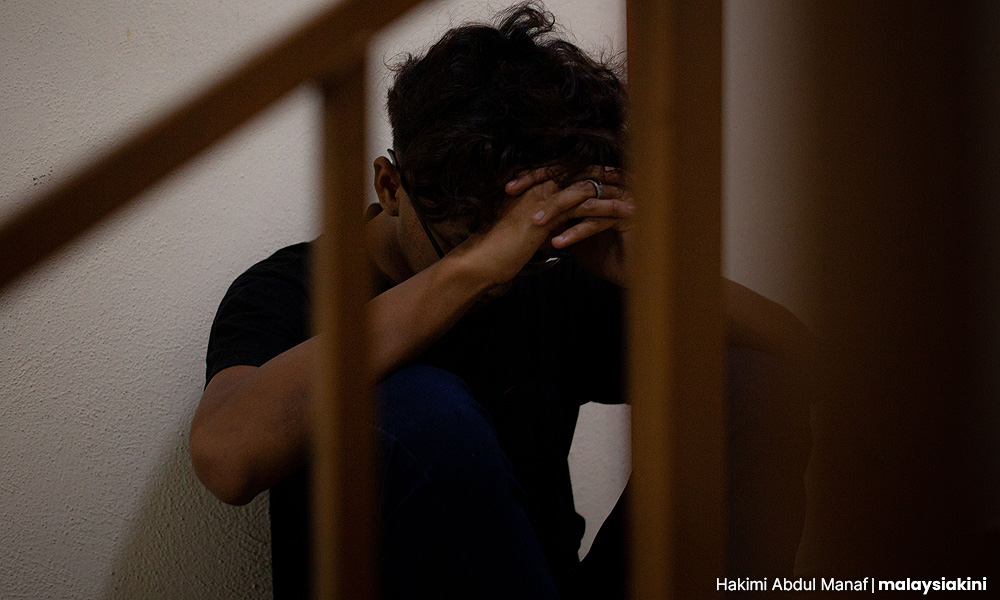
“We also need to look after the welfare of MOs. They are human too, and they have their limits.
“We cannot keep forcing them to see more patients without taking their well-being into account,” the doctor stressed.
Govt must act
Pointing to similar issues at government hospitals, the doctor said the issue is being raised over concerns for healthcare workers rather than to blame the Health Ministry.
The doctor called for more MOs to be hired, with the service of existing workers to be retained.

“Treatment is improving and patients are living longer. That is a positive development, but it also means more patients require ongoing treatment and monitoring.
“Patient numbers are increasing, but the workforce is not growing at the same rate. That is the main challenge we face now.”


Report this comment
Are you sure you want to delete this comment?
This action cannot be undone.