



510 firms probed for suspected bid-rigging in tenders worth over RM3b
PARLIAMENT | The Malaysia Competition Commission (MyCC) is investigating 510 firms suspected of bid-rigging involving public and private sector tenders worth more than RM3 billion.
Domestic Trade and Cost of Living Minister Armizan Ali said the commission has also “proposed actions” against 18 firms suspected of bid-rigging in food supply and cleaning services tenders worth over RM108.3 million.
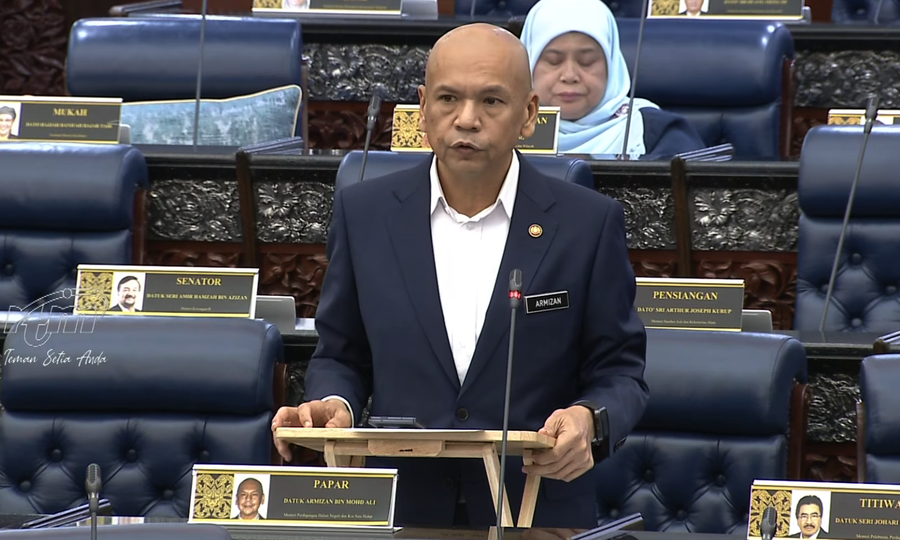
Armizan (above) said the...
PARLIAMENT | The Malaysia Competition Commission (MyCC) is investigating 510 firms suspected of bid-rigging involving public and private sector tenders worth more than RM3 billion.
Domestic Trade and Cost of Living Minister Armizan Ali said the commission has also “proposed actions” against 18 firms suspected of bid-rigging in food supply and cleaning services tenders worth over RM108.3 million.
Armizan (above) said the tenders involved 12 public sector entities, comprising six ministries, three public universities, two state Islamic religious departments, and a federal statutory body.
He also said evidence gathered by MyCC included the centralised coordination and preparation of tender documents, the exchange of information, including proposed bid prices, and the sharing of financial and human resources among the enterprises, Bernama reported.
The enterprises have been given the opportunity to submit representations before MyCC makes its final decisions, taking into account their responses and the evidence gathered during the investigation.
“MyCC has taken enforcement action against 58 companies for bid rigging, with penalties totalling RM98.49 million,” Armizan said when winding up the debate on the Supply Bill 2027 at the policy stage for his ministry in the Dewan Rakyat yesterday.
On Tuesday, the Education Ministry said it would look into allegations of a cartel or collusion in Phase Two of the cooked food supply service tenders for the 2027-2029 period.
The ministry was also prepared to cooperate with the MACC and other relevant authorities if further investigations were needed.
READ MORE: Wan Saiful urges MACC to probe school meal tenders, flags firms with residential addresses
E-commerce law
On the proposed e-commerce bill, Armizan said it would be tabled at the next Dewan Rakyat sitting to strengthen accountability among online platforms and sellers.

He said the proposed legislation would focus on four areas: consumer protection; the responsibilities of platform operators, online sellers, and consumers; efficient dispute resolution mechanisms; and alignment with international model laws.
The bill would also protect consumers from unfair trade practices and strengthen enforcement against cross-border e-commerce platforms selling goods and services directly to consumers in Malaysia.
“It will establish clear accountability to ensure a fair and equitable online business environment, particularly for local traders and consumers.
“This includes ensuring that foreign sellers and operating platforms meet appropriate standards of responsibility, particularly in consumer protection and transaction transparency,” the minister added.





Only 18 out 510 probed. Reveal the 510 and 18 probed under what circumstances, Reply is no reply and we are still kept in the dark
Well done to MyCC. When companies secretly work together to manipulate tenders, honest businesses lose out and the public pays the price. Good to see the government taking this seriously. Keep going, follow the evidence and hold those responsible accountable, regardless of their connections. We want public money spent on proper services, especially when it involves food for our schoolchildren. Please keep the public informed as these investigations progress.
Report this comment
Are you sure you want to delete this comment?
This action cannot be undone.