


/file/publisher-c1a3f893382d2b2f8a9aa22a654d9c97/2021/05/7c373c9e8adcdf3513c0ba8a7b39acfd.jpg)

Beyond the rod: When silent wounds turn deadly

Good morning. Here's our news and views that matter for today.
Key Highlights
Beyond the rod: When silent wounds turn deadly
Hadi’s ‘gold standard’ for PM secrecy
Unity Ministry confirms worst-kept secret

Beyond the rod: When silent wounds turn deadly
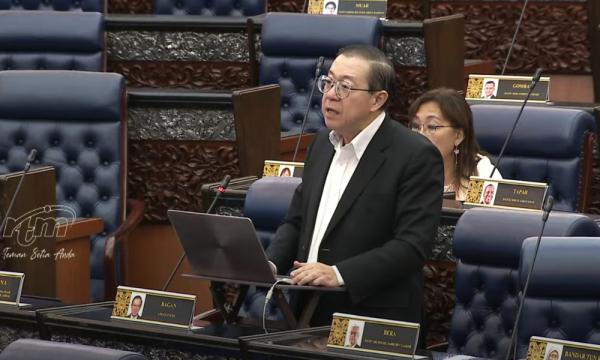
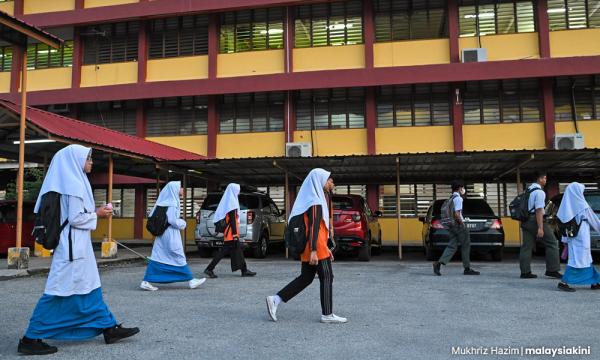
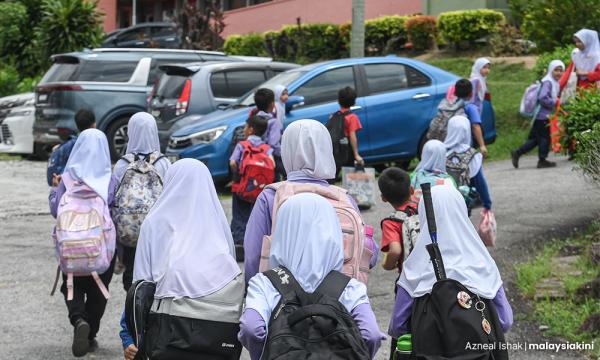
The news stunned the nation - a 14-year-old boy had stabbed his 16-year-old schoolmate to death. The victim’s mother claimed her daughter suffered 200 stab wounds, a detail so horrific it defies comprehension.
In the aftermath of the tragedy that has shaken Malaysia to its core - which came on the heels of reports that a group of Form Four students had gang-raped a junior in school - familiar voices resurfaced, echoing the old adage that “sparing the rod spoils the child.”
But in a world far more complex and fragile than before - where anger brews behind screens and pain festers in silence - can that belief still hold true?
Associate Professor of Psychology Monna Ong described a system that has built walls to keep out physical harm, yet left its students unguarded against the storms within.
“When individuals cannot find support through relationships, communication, or institutional systems, they may develop what psychologists refer to as externalising coping mechanisms, in which aggression or attempts to control others become substitutes for a sense of agency.
“Without accessible psychological support within schools, these accumulated emotions can eventually erupt into destructive behaviour. Unfortunately, Malaysia’s education system remains reactive rather than preventive,” she said.
Urging the authorities to implement a holistic policy to address students’ psychological health - including introducing emotional education - she proposed a structured three-tier framework to rebuild what she calls “a culture of safety, empathy, and accountability” among students.
This is a system that recognises the wounds we cannot see before they spill into the headlines.
HIGHLIGHTS
 | |
 | |
 |
Hadi’s ‘gold standard’ for PM secrecy
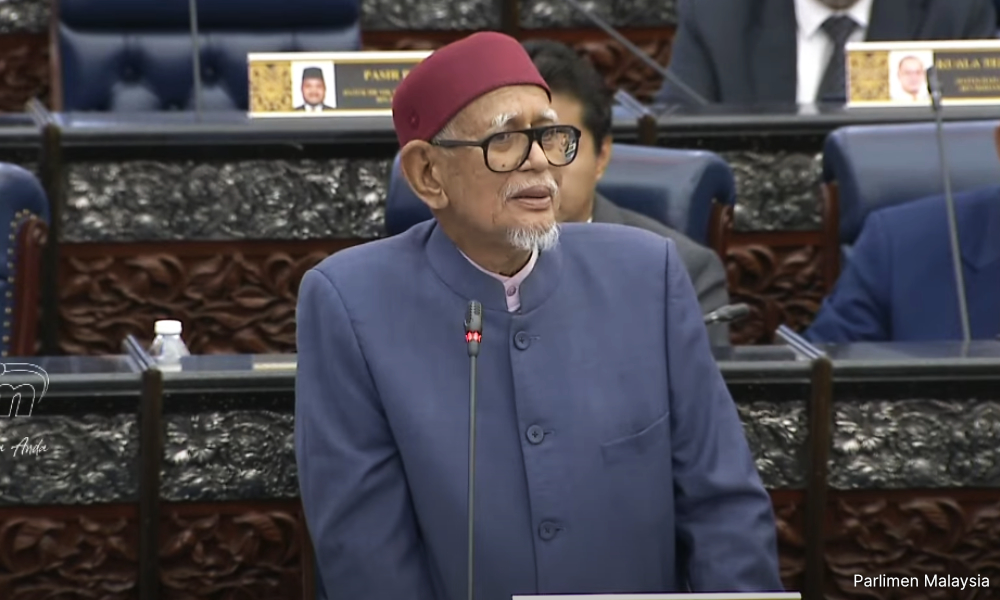
PAS president Abdul Hadi Awang has finally shed light on why his party refuses to name its prime minister candidate - one word: sabotage.
According to the veteran politician, revealing the name too soon could invite all sorts of mischief from political foes ranging from attempted bribery to a setup straight out of a crime drama.
“Why not name earlier? For safety reasons, it can be dangerous. If people know who the candidate is, they might try to bribe them with gold bars, or plant gold bars and drugs in the car, making the person ineligible to contest,” he said.
Hadi insisted the focus should instead be on finding a leader of integrity who can actually win an election, not just survive a smear campaign.
While Bersatu has already thrown its weight behind its president, Muhyiddin Yassin, who also chairs Perikatan Nasional, PAS seems less eager to fall in line.
Speculation is rife that the Islamist party may instead favour Muhyiddin’s deputy and opposition leader, Hamzah Zainudin.
HIGHLIGHTS
 | |
 | |
 |
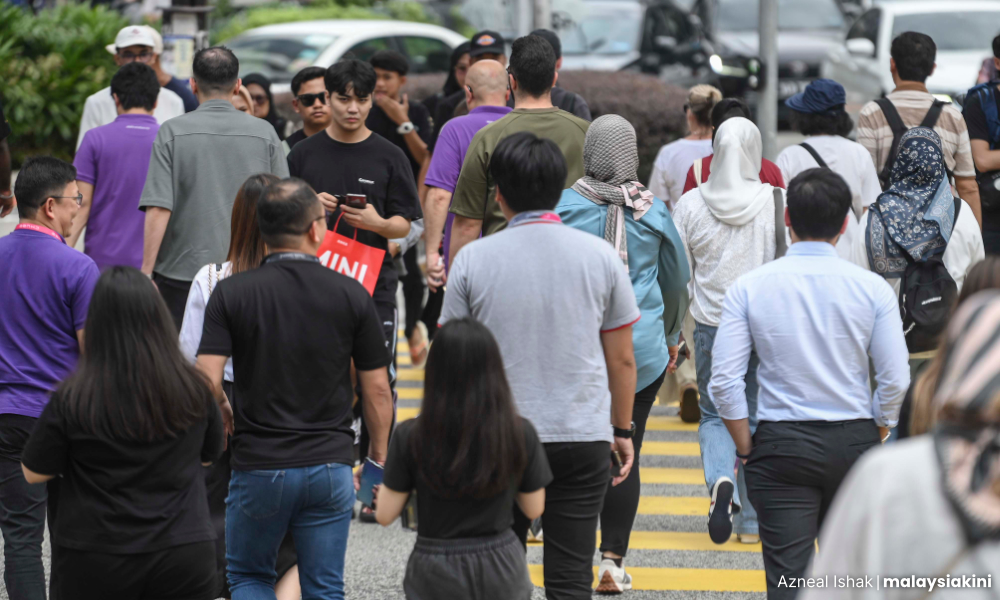
Unity Ministry confirms everyone’s worst-kept secret
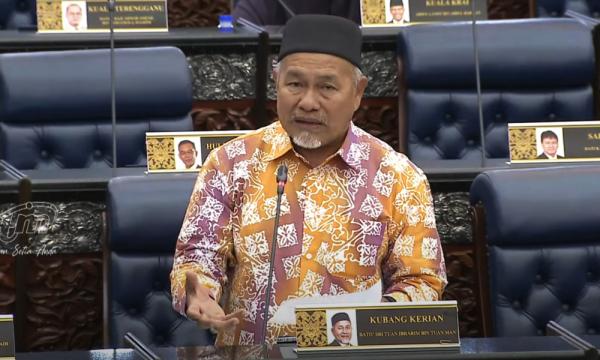
The National Unity Ministry has confirmed an open secret - race, religion, and gender are still doing most of the heavy lifting in keeping the country divided.
Deputy Unity Minister K Saraswathy admitted that while social media plays a starring role in fuelling the nation’s “social deficit,” it’s hardly a one-person show. There are plenty of other culprits in the cast.
Citing the National Unity Index (Ipnas) study, she said that apart from social media, nine other factors continue to shape Malaysia’s social harmony: ethnicity, religion, social class, education, language, generational gaps, gender politics, federalism, and the urban-rural divide.
Saraswathy added that the index enables the ministry to measure the level of unity among Malaysians, helping the government design and implement targeted programmes to bridge these divides.
In March, National Unity and Integration Department director-general Che Roslan Che Daud announced that the third Ipnas study will be conducted by Universiti Kebangsaan Malaysia’s Institute of Ethnic Studies.
He expressed confidence that the index value could reach 0.7 this year - an improvement from 0.567 in 2018 and 0.629 in 2022.
According to Ipnas’ measurement scale, a score between 0.0 and 0.24 is classified as weak, 0.25 to 0.49 as low, 0.50 to 0.74 as moderate, and 0.75 to 1.00 as high.
HIGHLIGHTS
 | |
 | |
 |
Views that matter
 | By Syerleena Abdul Rashid |
 | By Mahathir Mohd Rais |
 | By R Paneir Selvam |
In case you missed it
 | |
 | |
 |
Other news that matter
 | |
 | |
 |


Are you sure you want to delete this comment?
This action cannot be undone.