


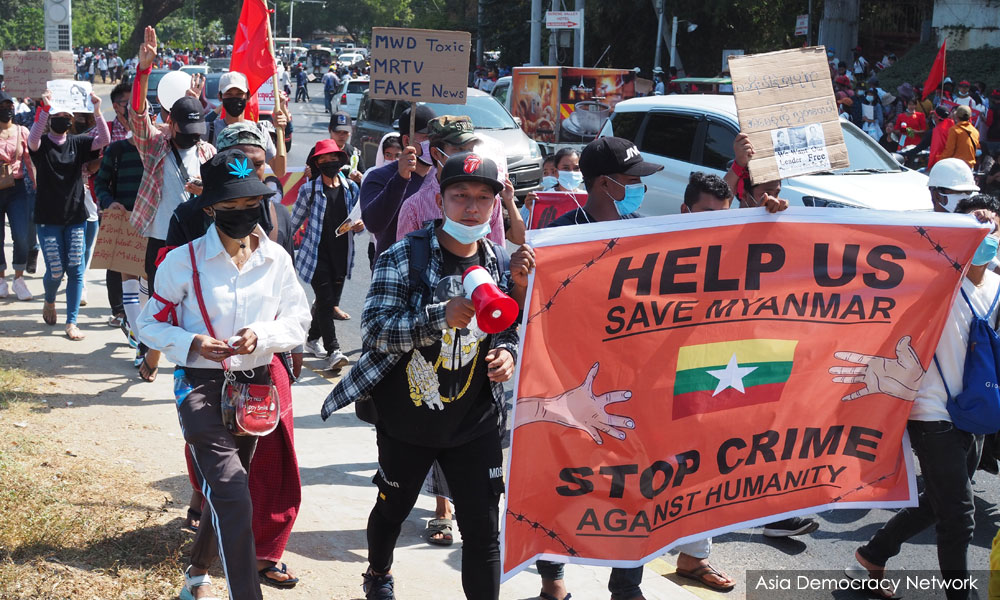

Nearly 700,000 people displaced in Myanmar fighting - OCHA
In the Myanmar humanitarian update as of May 31, OCHA said various parts of Myanmar are also witnessing an escalation in fighting, further entrenching the already fragile humanitarian situation during the reporting period...
The United Nations Office for the Coordination of Humanitarian Affairs (OCHA) said nearly 700,000 people have been displaced in Myanmar by conflict and insecurity since the February 2021 coup.
In the Myanmar humanitarian update as of May 31, OCHA said various parts of Myanmar are also witnessing an escalation in fighting, further entrenching the already fragile humanitarian situation during the reporting period.
According to UN figures, the number of internally displaced people (IDPs) people since the 2021 military takeover now exceeds 694,300, bringing the overall number of displaced people across the country to more than one million.
“Thousands of IDPs who have already fled their homes are being forced to move for a second or third time. An estimated 40,200 people have crossed the borders into neighbouring countries since the takeover.
“It is estimated that more than 12,700 civilian properties, including houses, churches, monasteries and schools, have been destroyed during hostilities, although the exact figures are difficult to verify.
“This will make IDP returning to their homes more difficult even if the situation improves. Consequently, complex needs are surfacing, requiring immediate humanitarian responses to save lives and protect those affected, supporting them to live in dignified conditions,” it said.
OCHA said thousands of people in Myanmar are living in distress due to the increasing prices of essential commodities, including food and fuel, partly due to the conflict in Ukraine, which has impacted global supplies.
“This inflation has affected people’s purchasing power and is starting to impact on the work of several aid clusters, particularly relating to food security and shelter, which depend on commodities to implement their humanitarian programming,” it said.
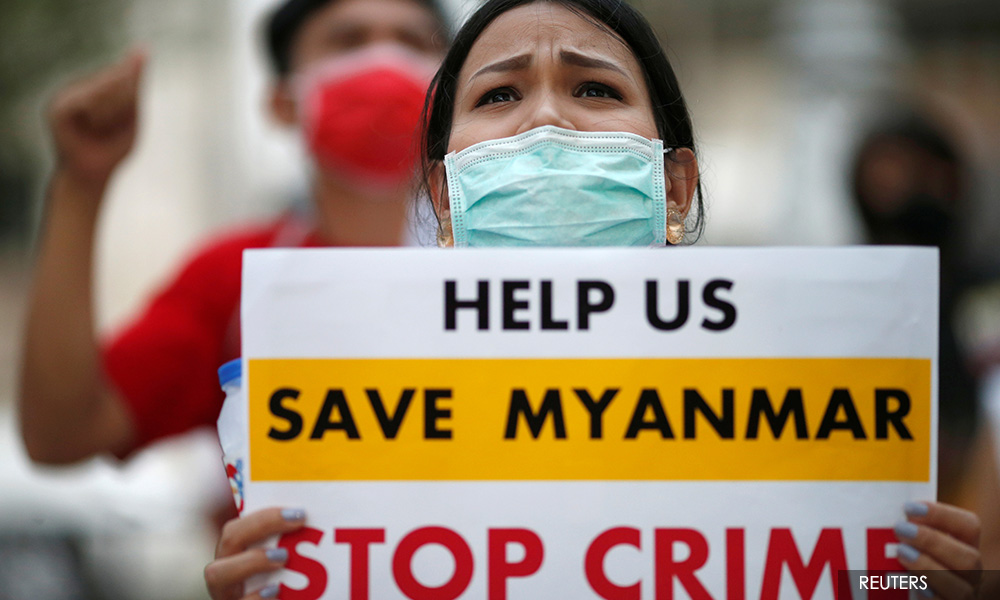
Meanwhile, OCHA said since April this year, strong storms and heavy rain have already hit coastal areas of Myanmar, mainly low-lying areas in Rakhine, Kayin, Kachin and Shan states and causing varying degrees of damage to civilian structures, including houses and shelters.
“This has further compounded pre-existing vulnerabilities of the affected people, particularly IDPs in protracted displacement sites.
“Humanitarian actors have immediately reached affected families but the needs far exceed existing resources, capacities and access. More funding is critically needed to ensure efficient responses in the event of a wide-scale natural disaster,” it said.
According to the human rights organisation Assistance Association for Political Prisoners, at least 1,800 civilians have been killed while over 13,000 people have been arrested since the coup.
- Bernama






Report this comment
Are you sure you want to delete this comment?
This action cannot be undone.