




88 scholars abroad demand right to vote
Eighty-eight Malaysians studying or working abroad want the federal government to fully implement Bersih 2.0's eight demands, which they said will help reverse Malaysia's brain drain problem.
Eighty-eight Malaysians studying or working abroad want the federal government to fully implement Bersih 2.0's eight demands, which they said will help reverse Malaysia's brain drain problem.
In a joint statement today, the scholars said clean elections must be held in order for Malaysia's many systemic problems to be resolved, such as corruption and human rights violations.
"These (88) overseas Malaysians have long longed for the day where they can bring home their talents, knowledge, resources and network to contribute to the country's progress and rise.
"Rampant corruption, power abuse and human rights violation however make this dream impossible. To uproot all these obstacles, elections must first be clean so that people can be sovereign and governments must be accountable," their statement says.
As such, the group is urging Prime Minister Najib Abdul Razak to fully implement the remaining seven out of eight recommendations made by election reforms pressure group Bersih 2.0.
Automatic voter registration
The scholars said they wished to reaffirm the patriotic spirit of the Bersih 2.0 rally and urged Najib to commit himself to genuine electoral reforms and to implement them before calling for the 13th general election.
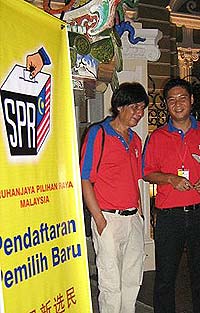 In particular, the scholars want Najib to address the right to absentee voting and automatic voter registration.
Referring to the Jan 6 High Court decision dismissing an application to compel the Election Commission to register six Malaysians residing overseas as absentee voters, the scholars argued that their rights under Article 119 of the Federal Constitution have been denied.
As for automatic voter registration, the scholars argued that such a system would help clean up the electoral roll and synchronise the electorate with the citizenry database.
"Automatic voter registration can enfranchise some 3.7 million unregistered voters," said the scholars, arguing that the move would be in line with the e-government policy.
The 88 scholars range from PhD students to senior lecturers and associate professors who are residing around the world, from New Zealand to Canada.
Related stories


