


/file/publisher-c1a3f893382d2b2f8a9aa22a654d9c97/2026/07/232d9af30d33d800edcd332fd7507a43.png)

Malaysian businesses risk people & culture neglect amid AI advancements
Nearly 700,000 jobs in Malaysia are at risk of significant disruption from AI and digitalisation. That's the warning issued by Human Resources Minister Datuk Seri R. Ramanan last June, citing a workforce impact study by TalentCorp.
The warning lands at a critical moment. Malaysia’s workforce is facing a historical shift in productivity rate, scale, and expectations. The question is: are Malaysian workplaces investing in the correct solution?
Amid trade wars, geopolitical tensions, rapid AI adoption, and an increasingly multigenerational workforce, the People & Culture Conference (PACC) returns for its third edition with a conviction it has held from the start: the greatest asset to any successful, long-lasting organisation is its people.
On 5–6 August at CCEC, Bangsar South, PACC convenes 300 C-suite leaders, people and culture professionals, corporate changemakers and business transformation experts at a moment when people & culture has never been more vital.
This year, the conference stands on two revolutionary pillars: Leadership & Organisational Resilience, and Employee Experience & Psychological Safety, speaking directly to the two areas most critical to building future-forward workplaces.
"A lot of Malaysian organisations mistake the growing AI anxiety among their people to be a skill gap issue,” says Emellia Shariff, Group CEO of the Malaysian Institute for Development of Professionals (MIDP), the organiser and driving force behind PACC.
“But people are perfectly capable of adapting to new technology and systems. What we need to do is make sure they have the resilience to operate, adapt and innovate within new systems, which takes much longer to instil – and that’s precisely what we need to invest in.”
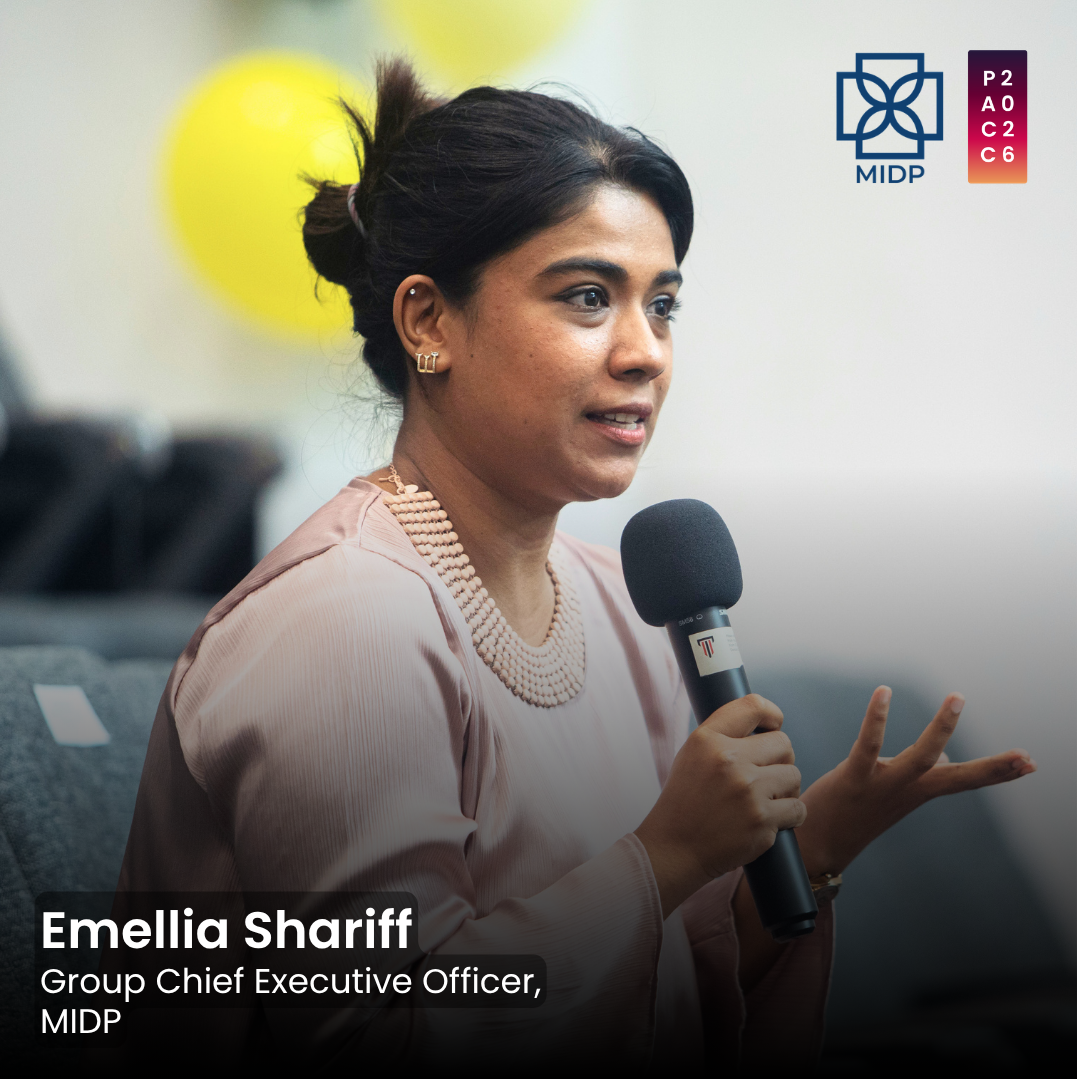
Emellia’s point becomes more prevalent as we consider the recent Forbes report of companies who were the trailblazers of AI adoption into the workplace that are slowly backtracking their decision.
Uber burned through its entire 2026 AI coding budget in four months without valuable returns, while Nvidia, the company selling the very tools upholding this technology, has a VP admitting AI is now pricier than the people it's supposed to "replace."
We’ve heard this story before. Every wave of new technology, automation, digitalisation, and now AI, gets treated as a systems problem first and never a people problem. The tools keep changing, but the blind spots remain.
This neglect shows up in familiar ways. Imagine this: An employer sends a cohort of employees to get certified on a new AI-powered analysis system. The training succeeds on every measurable term: they pass, get certified, and reports come back faster than ever.
But they bring their new skills back to the same old culture that was the problem to begin with — one where questioning decisions made up top sounds like resistance, feedback loops are broken, and teams stop thinking for themselves, feeding out AI-generated answers without a second look. Innovation stalls.
The certificate did its job. The culture didn't.
This is the exact trap Malaysian workplaces risk walking into. Million-ringgit investments into technical certification only builds capability — it says nothing about the culture surrounding its usage, the precise judgement gap currently costing Silicon Valley billions.
So what does investing in people and culture actually look like?
It looks like psychological safety being treated as infrastructure, not sentiment. It looks like feedback loops that actually close — where the people closest to the work can say "this doesn't look right" and know it goes somewhere, instead of disappearing into a silo. It looks like intentional leadership that builds resilience.
This is because resilience isn’t a skills gap issue, it’s a mindset issue. You cannot certify your way into it. It's built (or broken) in the everyday moments when someone decides whether to speak up, push back, or stay quiet.
This is what the industry keeps getting backwards: people and culture aren't a footnote to workplace transformation, they're the starting point. Every new system should be built around them, not the other way around.
Malaysia has an advantage nobody else in this story had: the receipts already exist. The only question is whether Malaysian workplaces can pivot before they pay the full price.
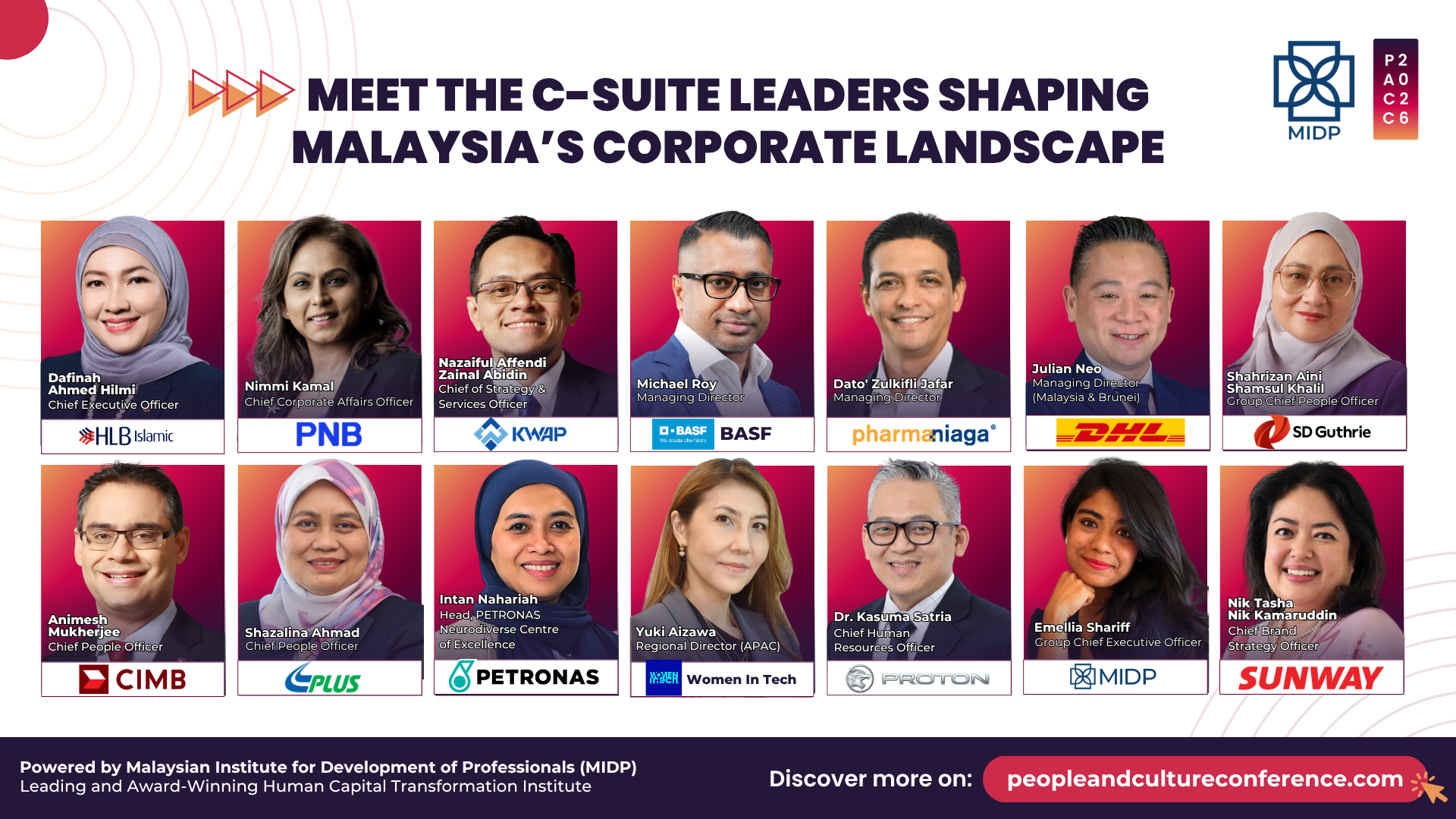
Join in on the conversation at the People & Culture Conference 2026 – now open for delegate registration at peopleandcultureconference.com. Discounts are available for group and MSME registrations.
This content is provided by Malaysian Institute for Development of Professionals (MIDP).
The views expressed here are those of the author/contributor and do not necessarily represent the views of Malaysiakini.
Interested in having your press releases, exclusive interviews, or branded content articles on Malaysiakini? For more information, contact advertise@malaysiakini.com or advertise@fgmedia.my


Are you sure you want to delete this comment?
This action cannot be undone.