


/file/publisher-c1a3f893382d2b2f8a9aa22a654d9c97/2026/09/97ebfa0b07c02ec3af882dbcb3cc724d.jpg)

Allianz Life urges Malaysians to prepare for the financial realities of critical illness
A critical illness diagnosis can change far more than a person's health.
As serious conditions such as cancer, heart disease and stroke continue to affect Malaysians, the journey that follows can bring physical, emotional, and financial challenges that extend well beyond treatment.
Recognising that recovery is about more than medical care alone, Allianz Life Insurance Malaysia Berhad (Allianz Life) is calling for greater awareness of the financial impact of critical illness, warning that many families remain vulnerable to its economic consequences even as they navigate the road to recovery.
The conversation took centre stage at Allianz Life's Beyond Survival: The Journey from Setback to Comeback Media Forum, where industry leaders, healthcare advocates and members of the media came together to examine a question that is often overlooked: what happens after a patient survives?
Because, as the discussion revealed, surviving a critical illness is only the beginning.
When illness becomes a financial crisis
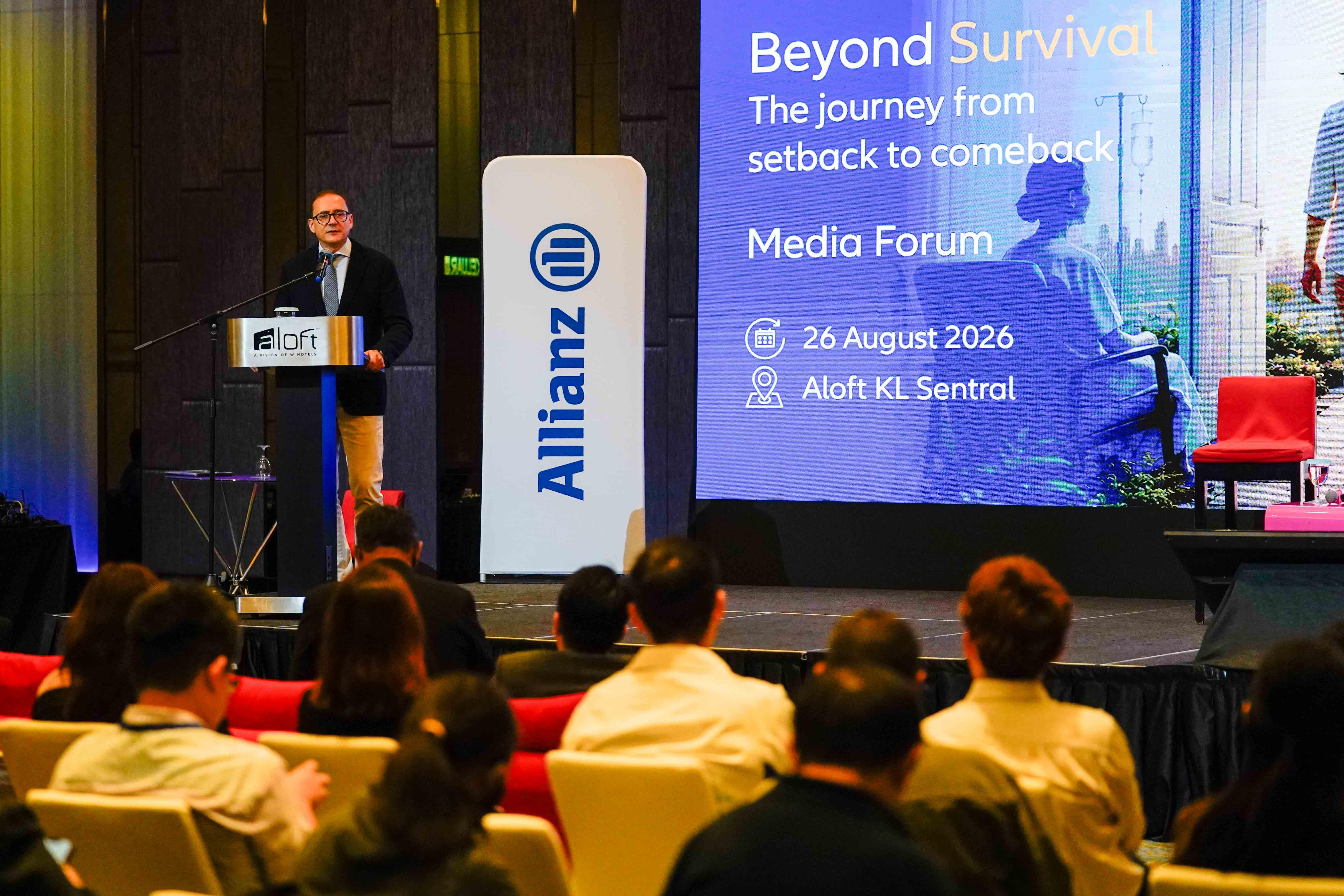
Speaking at the forum, Allianz Life Chief Executive Officer, Giulio Slavich, said that while medical advancements have improved survival rates, many Malaysians are unprepared for the financial impact that follows a critical illness diagnosis.
"Critical illness is no longer solely a health issue. For many families, it becomes a financial crisis. Medical treatment may save a life, but the loss of income, depletion of savings and ongoing financial commitments can create lasting challenges throughout the recovery journey," he said.
Allianz Life's claims experience reflects the scale of financial support that Malaysians may need when life takes an unexpected turn. In 2025 alone, the insurer paid RM1.33 billion in claims to Malaysian families, underscoring the financial impact that illness and other unforeseen events can have on households.
The data also shows that critical illnesses are becoming more prevalent and are affecting Malaysians at increasingly younger ages. Since 2022, cancer-related critical illness payouts have risen by 29%, stroke payouts by 95%, and heart disease payouts by 22%.
Behind the numbers are stories that highlight how critical illness can affect anyone, regardless of age or stage of life. They include an 18-year-old university student diagnosed with blood cancer, a 30-year-old graphic designer living with kidney disease, and a managing director facing colon cancer.
According to the insurer, 43% of critical illness claimants were women, while 31% were below the age of 40, highlighting that critical illness can impact individuals across all stages of life.
"These statistics remind us that critical illness is not limited to any one group. It affects students, young professionals, entrepreneurs and parents alike. Anyone with a financial life to protect should consider how they would cope if their income were interrupted for months or even years," Giulio added.
Allianz Life Chief Operations Officer Tammy Lee highlighted the importance of being financially prepared. She noted that a cancer diagnosis can place significant strain not only on an individual’s health, but also on their financial well-being. She said insurance protection specifically designed for critical illnesses can help individuals and their families better manage the financial challenges of treatment while continuing to access the care they need.
Life after cancer
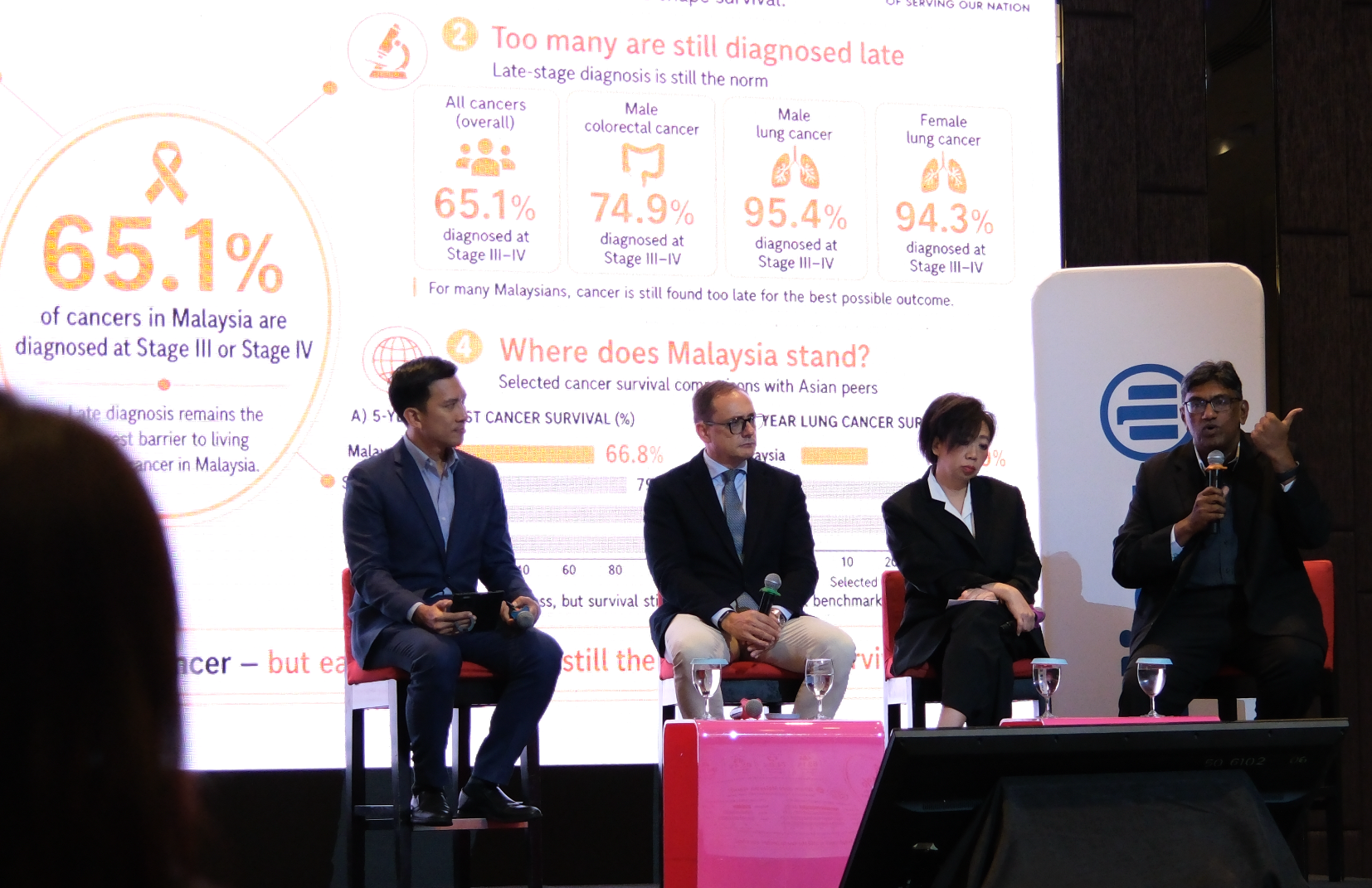
The forum also featured insights from Prof Dr. Murallitharan Munisamy, Managing Director of the National Cancer Society Malaysia (NCSM), who highlighted the changing face of cancer in Malaysia and the growing importance of early prevention and awareness.
“For many cancer survivors, another journey begins once treatment ends. Survivors often need to reintegrate into their families, social circles and workplaces, while navigating the physical, emotional and financial challenges of adjusting to life after cancer. Some may experience lasting side effects, changes in their physical abilities or other health-related difficulties, making the return to work and daily life far from straightforward,” he explained.
This is why survivorship support cannot exist in isolation. It requires a broader ecosystem involving healthcare providers, employers, insurers, communities and support networks. By working together, these stakeholders can help ensure that survivors receive the support they need to rebuild their lives and reintegrate into society with confidence.
Ooi Haw Yun, Chief Product Officer of Allianz Life Insurance Malaysia Berhad, echoed the importance of looking beyond the initial diagnosis. He noted that as critical illnesses become more common and affect people at younger ages, financial protection needs to account for the longer and often unpredictable journey that follows.
As Malaysia faces rising healthcare costs, medical inflation and a growing number of critical illness cases, Allianz Life believes greater awareness and financial preparedness are essential to helping families build long-term resilience.
Reflecting this commitment, Allianz Life recently introduced HealthCover Prime, its latest critical illness solution aimed at providing Malaysians with enhanced financial protection against the lasting impact of serious health conditions.
Designed around evolving customer needs and emerging claims trends, HealthCover Prime goes beyond supporting individuals during treatment. It also seeks to ease the financial pressures that can arise during recovery, including income disruption and the lifestyle adjustments that may follow a critical illness diagnosis.
For more information on HealthCover Prime, visit HealthCover Prime.


