



China, Indonesia, India behaving like colonial oppressors
COMMENT | Almost everyone reading this has roots in at least one of the three most populous nations in Asia. China, India and Indonesia are massive, diverse countries with many languages and religions and impressive cultural, historical and intellectual histories.
What they can also be, however, is bullies. In fact, the attempt to impose centralised power on various regions is coming to the fore these days.
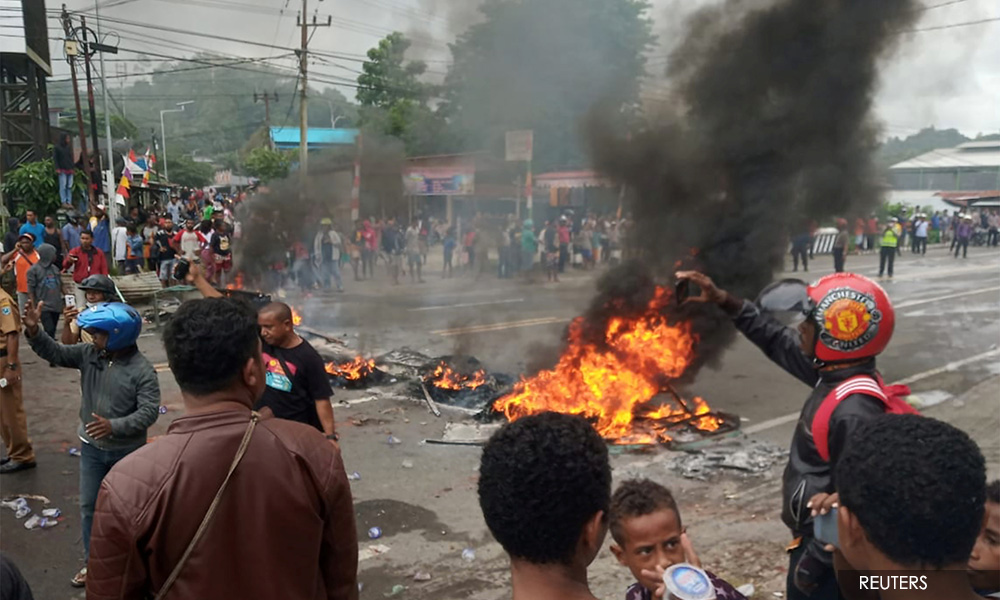
I always get outraged when I read about Indonesia’s conduct in its provinces of Papua and West Papua. On Monday morning, Papuan protesters set fire to a local parliament building and blocked streets in the provincial capital of Manokwari by burning tyres and tree branches...
COMMENT | Almost everyone reading this has roots in at least one of the three most populous nations in Asia. China, India and Indonesia are massive, diverse countries with many languages and religions and impressive cultural, historical and intellectual histories.
What they can also be, however, is bullies. In fact, the attempt to impose centralised power on various regions is coming to the fore these days.
I always get outraged when I read about Indonesia’s conduct in its provinces of Papua and West Papua. On Monday morning, Papuan protesters set fire to a local parliament building and blocked streets in the provincial capital of Manokwari by burning tyres and tree branches.
They were protesting about the mass detention of Papuan students in Surabaya, East Java, for bending a flagpole bearing the Indonesian flag in front of a dormitory on Indonesia’s national day, which was celebrated on August 17.
Now, just in case you get the wrong impression – it’s the Papuans who are the victims in this case. They are victims both of history and of modern-day colonialism.
Modern Indonesia was welded together from a range of populated islands, but while Sumatra, Kalimantan, Bali, Sulawesi and the rest had both commonalities and differences with the dominant Javan island, the provinces of Papua and West Papua (known then to the Indonesians as Irian Jaya) were from a different world.
Sharing a massive island with the independent nation of Papua New Guinea, Papua and West Papua were incorporated into Indonesia as provinces after a dubious vote was taken 50 years ago in 1969. A vote held under extreme intimidation.
Culturally, the people are from aboriginal tribes, with genetic links to the various peoples of the South Pacific and not the rest of Indonesia. Their misfortune was that they shared the same colonial masters – the Dutch.
All that happened was the unfortunate inhabitants just traded colonial masters.
The island is blessed with some of the world’s most unique eco-systems. The current population of the combined island is around 11 million people, representing almost a thousand different tribal groups and 1,073 languages, making it the most linguistically diverse area in the world.
It also has tremendous resources – oil, minerals, gold and the like. In fact, the Grasberg mine near the Puncak Jaya mountain in Papua province is the largest gold mine and the second-largest copper mine in the world. But the resources are all stripped and enjoyed by an Indonesian central government that rules with a strong military presence.
There is a suppressed independence movement and conflict flares up from time to time, as on June 14, 2012, when National Committee for West Papua deputy chairperson Mako Tabuni was killed while in police custody.
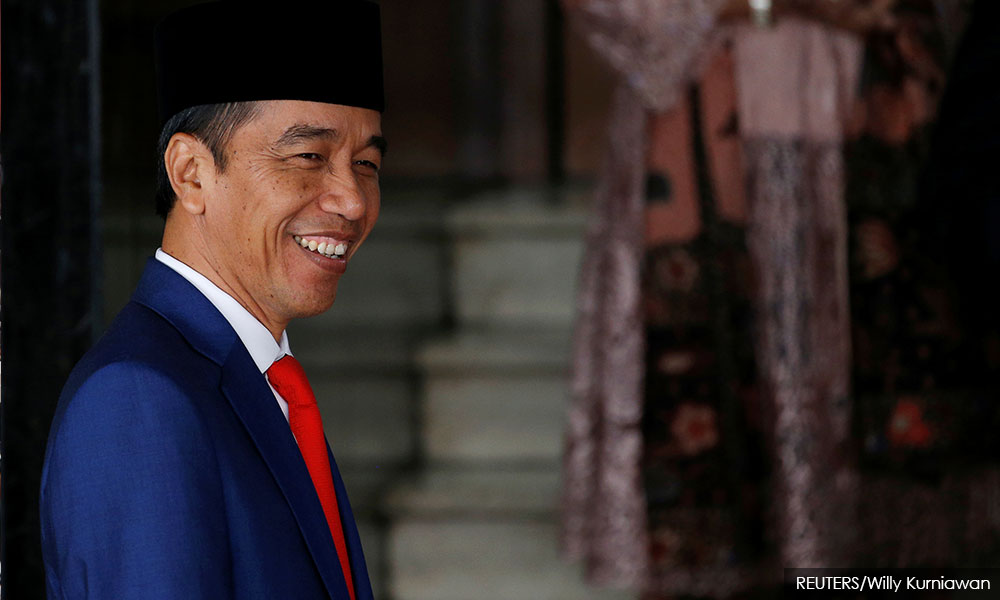
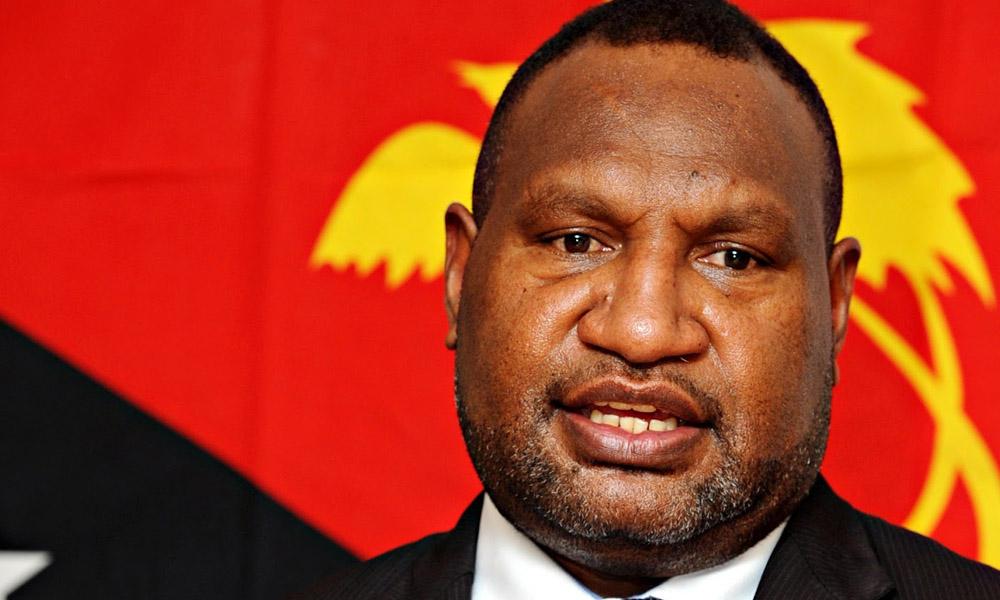
This week’s conflagration is another episode in a tragic conflict that doesn’t make the news often enough. For all the liberal populist moves of president Joko Widodo (above), the iron grip of Indonesia over Papua persists.
Legal changes in Kashmir
India too has been flexing its muscles in a disputed area. Kashmir was always going to be problematic because it had a Hindu Maharaja and a Muslim majority. At the time of partition in 1947, it immediately fell into conflict.
Wars have broken out over it, and tens of thousands have died through the years.
Jammu and Kashmir enjoyed a unique status in predominantly Hindu India for more than 70 years, but that has come to an end as India’s BJP government has passed legislation to divide Kashmir into two union territories and allow non-Kashmiri Indians to move freely into the region, open businesses and buy land. It will also end the practice of reserving state government jobs for locals.
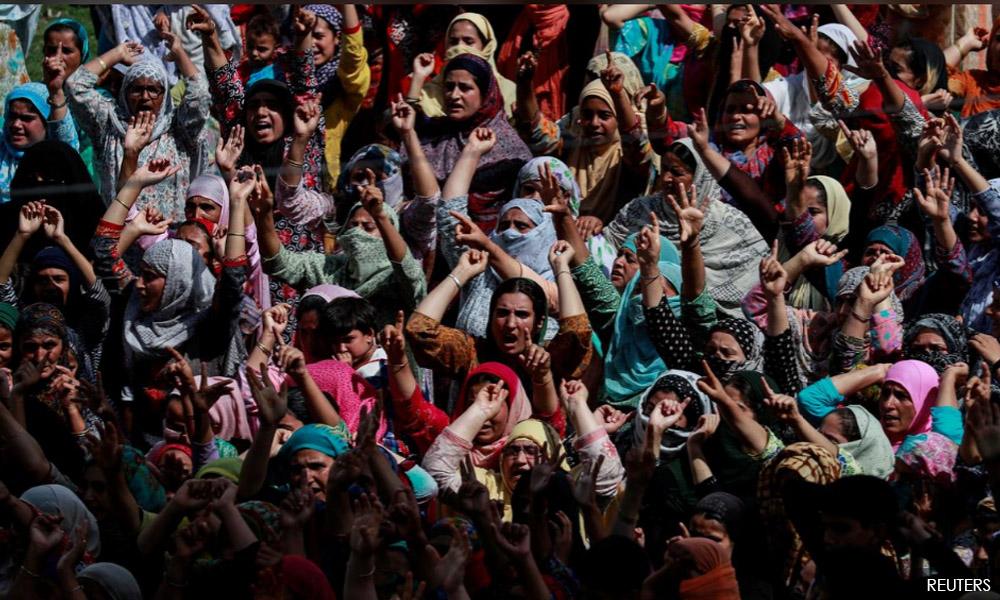
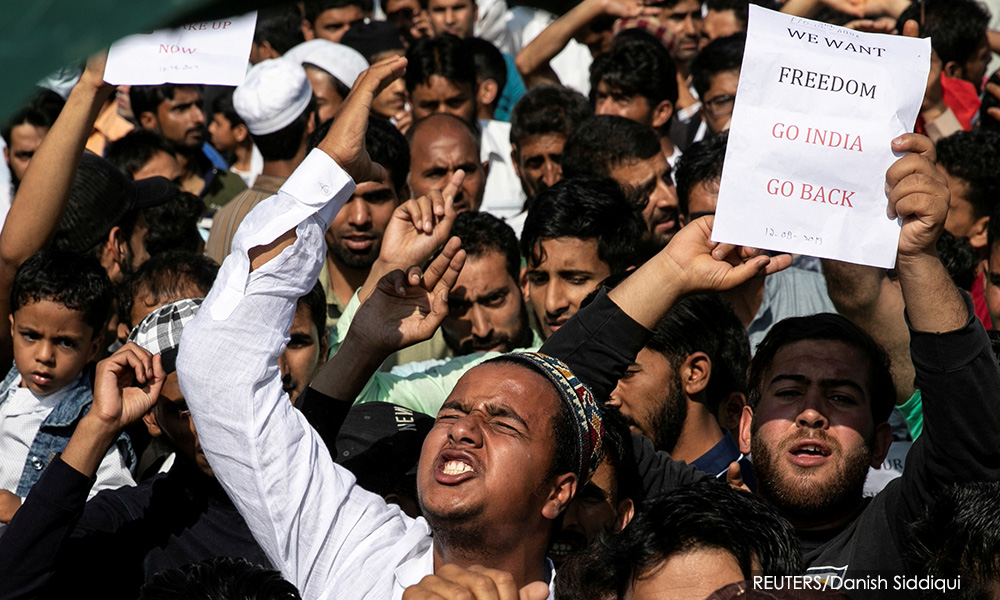
The impending migration will eventually change the region’s nature. Such legislation was met with resistance in Srinagar, Kashmir’s capital, and that resistance was snuffed out through the detention of journalists, intellectuals and activists.
Narendra Modi’s government says the move is needed to defeat terrorism, speed up development and integrate Kashmir fully into India. But at what cost?
Most ominous of all
Then there’s China. Any observer will tell you that it is China that has the greatest and most subtle expansion plans. It is everywhere.
There is the soft colonialism of economic assistance through the Belt and Road initiative, and the ever aggressive competitiveness of Chinese products – Chinese telecom providers dominate Africa's billion-user mobile phone market. The country is even involved in massive rail and dam projects as far away as southern Argentina!
China’s dominance is most blatant in countries that have been rebuilding or isolated like Myanmar, Laos, Cambodia and even two of India’s neighbours – Nepal and Sri Lanka.
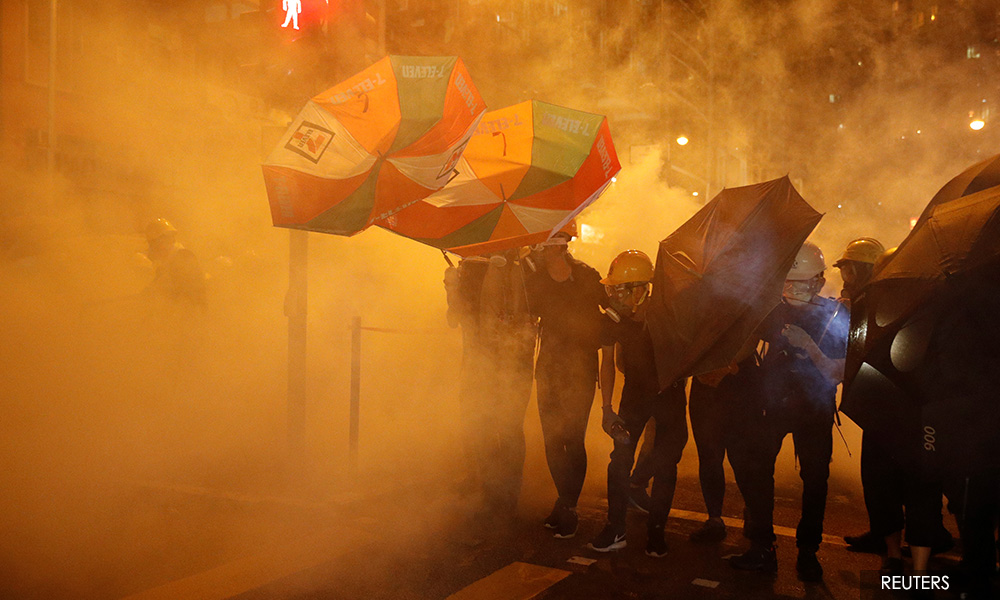
If there were any doubts over Beijing’s firm resolve to slowly extend its influence and its grip, the Hong Kong protests that have been raging for the past few weeks should surely make it clear. Whether through the gun, the ballot box or through the signing of legal documents, China will have its way sooner or later.
The occasionally bloody, always passionate anti-extradition Hong Kong protests are not so easy to hide, but China is doing its best to sway those who are keen to close one eye. The state’s propaganda wouldn’t fool a child of 12, but there are always those who are willing to believe the words of an authoritarian regime.
Just imagine, if they are thick-skinned enough to try to pull this kind of manipulation in Hong Kong, which is so modern and integrated with the rest of the world, what must they be doing in Xinjiang and Tibet? And don’t think for a moment that China will ever take its eyes off the lusted-after jewel of Taiwan.
I suppose the question for a relative minnow like Malaysia is – how do we resist these big brothers when they come to put the squeeze on us one day? I suspect we will live to regret it if we don't get our act together and build on our strengths.
MARTIN VENGADESAN is a member of the Malaysiakini team.


Report this comment
Are you sure you want to delete this comment?
This action cannot be undone.