
COMMENT | The first strike is already too many
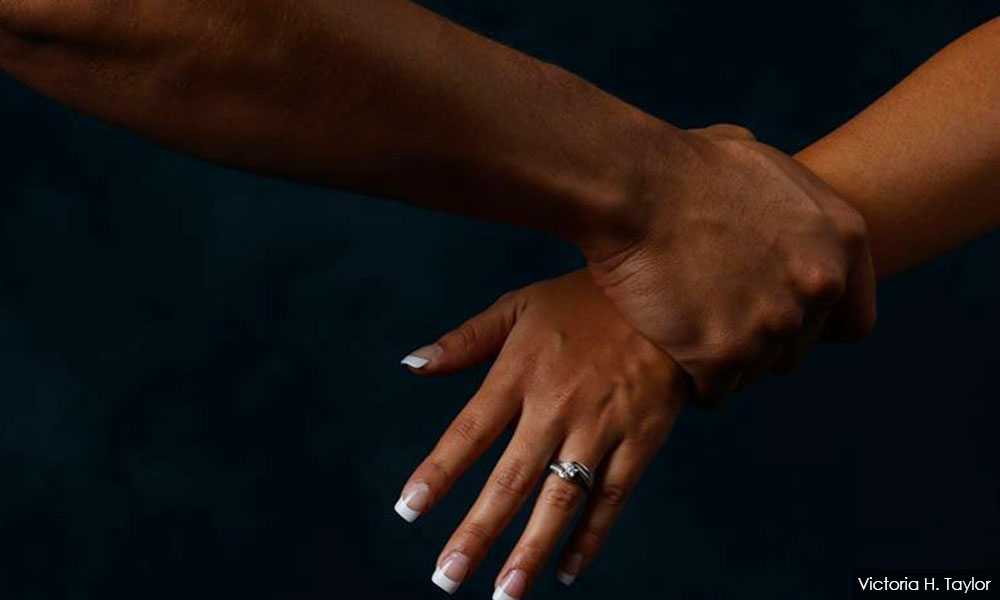
COMMENT | Consider this scenario: Man strikes wife.
He apologises. She forgives him because he said sorry and everyone deserves a second chance.
Man strikes wife again.
He apologises and promises he will never do it again. She forgives him - because he promised, and he said he will change.
Man strikes wife again.
He apologises and swears it is the last time. She forgives him - maybe it is her fault too. They tell her that her religion preaches forgiveness and mercy. She needs to try harder to earn his love and happiness.
Man strikes wife again.
He apologises. She forgives him. Maybe she should try harder to make him happy. Maybe she is not good enough. They tell her that religion demands that she be obedient to her husband because he is her ticket to heaven.
Man strikes wife again.
She ...
COMMENT | Consider this scenario: Man strikes wife.
He apologises. She forgives him because he said sorry and everyone deserves a second chance.
Man strikes wife again.
He apologises and promises he will never do it again. She forgives him - because he promised, and he said he will change.
Man strikes wife again.
He apologises and swears it is the last time. She forgives him - maybe it is her fault too. They tell her that her religion preaches forgiveness and mercy. She needs to try harder to earn his love and happiness.
Man strikes wife again.
He apologises. She forgives him. Maybe she should try harder to make him happy. Maybe she is not good enough. They tell her that religion demands that she be obedient to her husband because he is her ticket to heaven.
Man strikes wife again.
She forgives him. Her children deserve to grow up with a father. Things would be worse off if she was a single mother. Her religion tells her to be patient and her reward for patience is not in this life, but in the next. After all, she is just a woman.
No matter how much I learn and understand about internalised misogyny, I remain frustrated by it. In a scenario such as the above, which takes place several times over on a daily basis in Malaysia, where do we point the problem to?
Can people change? Depending on your level of optimism, the answer to this is up in the air with an unlimited degree of conditions. It really comes down to two things - how much regard she has for him, and more importantly, how much regard she has for herself.
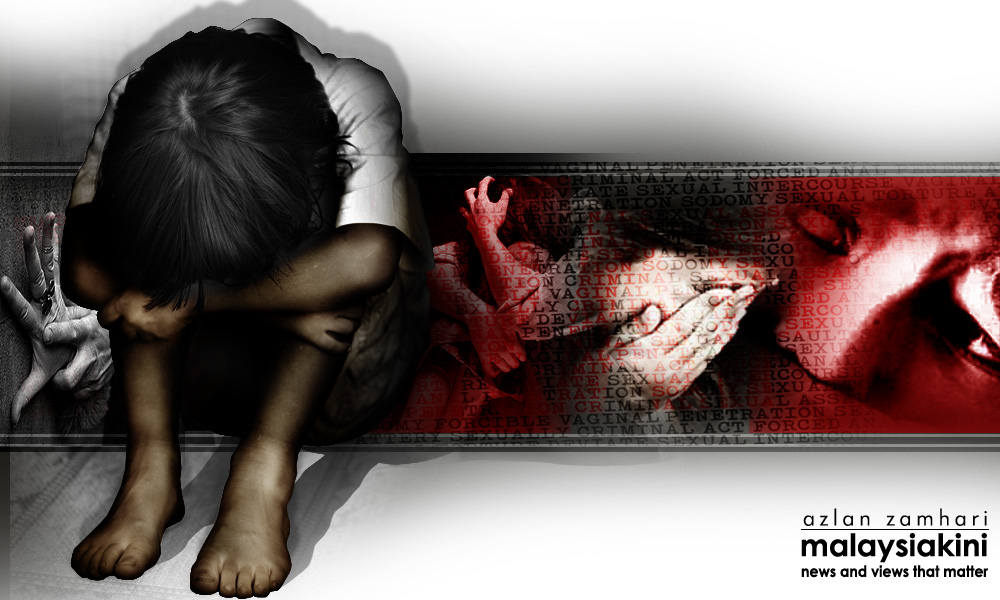
Unfortunately, our daughters are still being taught that they are lesser than the sum value of their brothers. And much of our society reinforces this at so many important moments of her life.
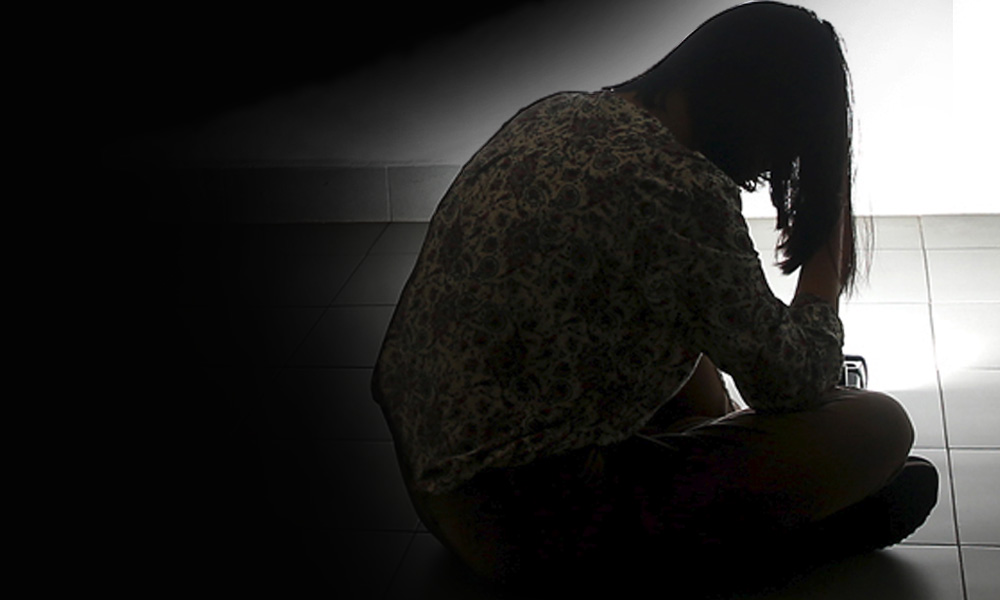
At some point in the story, she begins to blame herself and thus internalises the act of being hit. She begins to feel like she deserves being hit for not being good enough. She accepts that she is this reality that has been literally battered into her.
Religion not the problem
I know what some people say: We can’t help people who won’t help themselves. In personal experiences, I have spoken to many women who have accepted this defeat. Women who say, "Nak buat macam mana, kita kan perempuan. Perempuan memang lemah." They go on to perpetuate this sense of defeat onto other women and their daughters, and thus the cycle continues.
Oh yes, there is the law. Malaysia has had a Domestic Violence Act for years already. However, as long as we keep thinking that domestic violence is a private matter to be resolved behind closed doors at home, there will be continued reluctance to enforce the law. Police who turn away women who complain about domestic violence, do not help. Underfunding women’s organisations, does not help.
And then there is the aspect of religion, which is often brought into the picture to further command submission. In so many of my engagements, I have stressed that religion is not the problem. Religions teach us about love, compassion and all the good values that when embraced, bring us peace and internal harmony.
No, the problem is not religion. The problem is the manipulation of religion in order to control and justify oppression over others.
And so eventually, she is sadly diminished into sub-existence. She exists only in provision for her children. She endures being hit in this life because she does not live here anymore. She lives in the next life which she is told is happier, with beautiful gardens and fountains galore. Someday, she dreams, she will go there. And she will not feel pain anymore.
So where is the problem in this scenario?
The problem lies in every line of this story after the first three words - "Man strikes wife". This alone sums up everything that is wrong with our society today and why we are where we are with all the different roots of domestic violence.
The first three words should be enough for her, him, them, us, their families, their friends, their neighbours, their schools, their workplaces, their religions, for everyone to do everything they can to say that this is where it stops. There should not be the rest of the story because that is where it ends - and it ends because we ended it. She should not have been struck, and we will never let her be struck ever again.
It is disturbing yet not surprising that every women's NGO helpline received spikes in enquiries throughout the MCO and subsequent months. In fact, even with the easing of the orders, the number of enquiries remain high, suggesting that conditions for women at home continue to deteriorate. This is in line with UN Women statistics that reveal the disproportionate impact that the pandemic has on women.
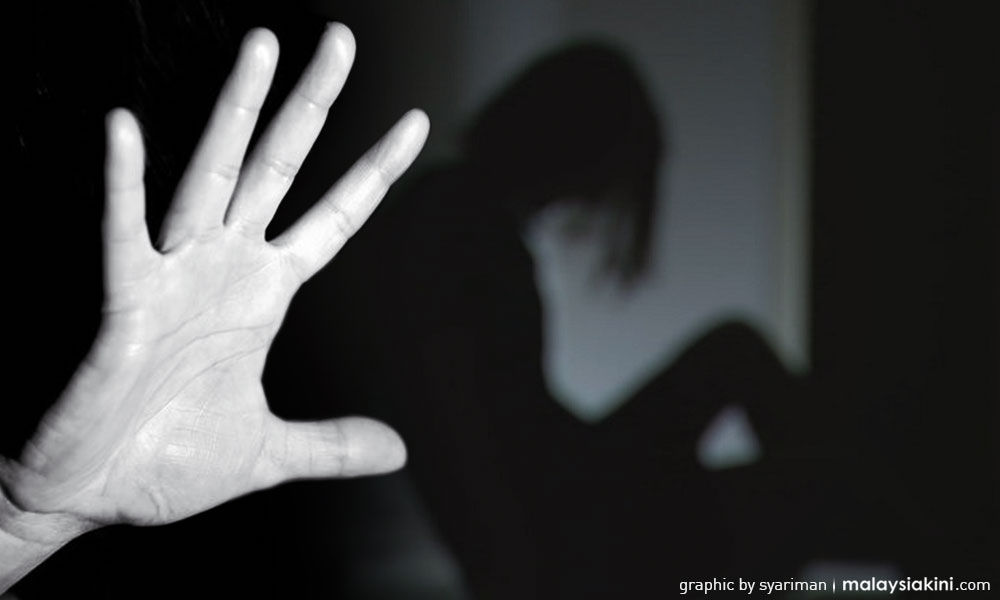
This scenario is not new in Malaysia. In fact, as I have mentioned, it happens every day, in many "somewheres" in our country. Domestic violence happens to women of all races, all religions, all economic classes and all social classes. We cannot afford to say that this is a private issue or that they should quietly settle this on their own. That first raised hand is already a public cry for help.
If you or someone you know is experiencing domestic violence contact:
Women's Aid Organisation (WAO): 03 - 79563488 / 018 - 988 8058 (24 hrs)
All Women's Action Society (Awam): 03 - 787 74221
Telenisa: 011 - 2370 1006
Women's Centre for Change, Penang: 011- 3108 4001 / 016 - 448 0342
Tenaganita: 012 - 335 0512 / 012 - 339 5350
MAJIDAH HASHIM is a human rights defender. She can be reached via Twitter at @majidahhashim
The views expressed here are those of the author/contributor and do not necessarily represent the views of Malaysiakini.