



COMMENT | By-election goodies – part of the system's warped reality
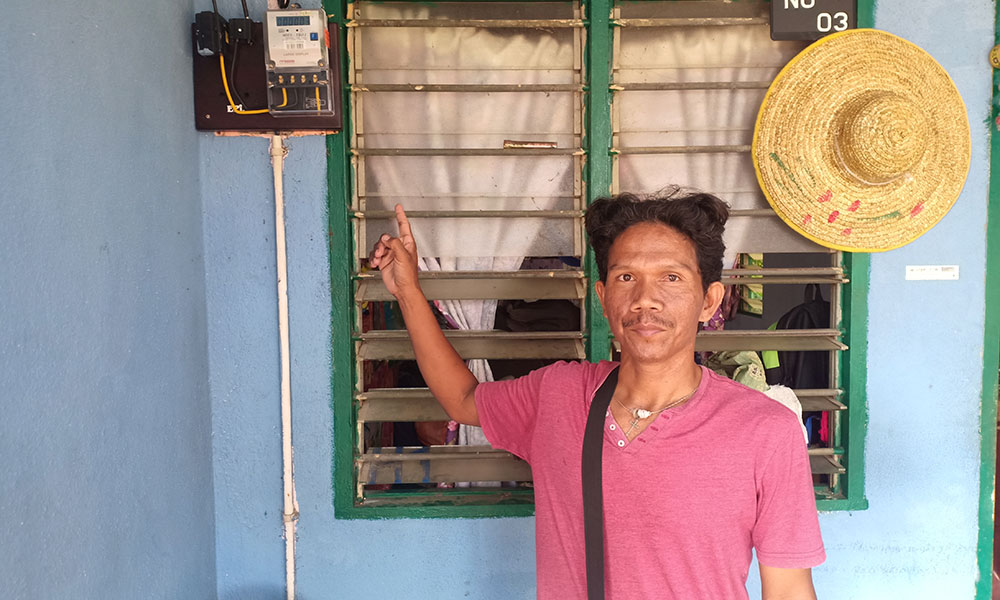
COMMENT | When the news broke that Orang Asli residents at Kampung Sungai Teras had finally got a steady supply of electricity earlier this week - it was both heartwarming and maddening that this village, located just over an hour away from the Klang Valley, had received what the rest of us take for granted.
On the one hand, it seemed to have been a strategic move that the issue was brought up during the Slim by-election, at a time when it was to the advantage of political powers to settle such longstanding grouses.
Don’t get me wrong, I am chuffed that finally the Semai villagers no longer have to go to the generator in front of the house of their village chief (Tok Batin) Kuloh Bah Rinteh to charge their phones between 7pm and midnight.
But the timing of this solution really does beg the question - why on earth did it take so long?
Kuloh claims it took 60 years and the problem dated back to his father’s time, while Perak State Executive Councillor for Infrastructure, Energy, Water and Public Transportation Mohd Zolkafly Harun has just explained that the work on the electrical substation started on July 31, 2019, before the installation of the meters was done last Saturday...
COMMENT | When the news broke that Orang Asli residents at Kampung Sungai Teras had finally got a steady supply of electricity earlier this week - it was both heartwarming and maddening that this village, located just over an hour away from the Klang Valley, had received what the rest of us take for granted.
On the one hand, it seemed to have been a strategic move that the issue was brought up during the Slim by-election, at a time when it was to the advantage of political powers to settle such longstanding grouses.
Don’t get me wrong, I am chuffed that finally the Semai villagers no longer have to go to the generator in front of the house of their village chief (Tok Batin) Kuloh Bah Rinteh to charge their phones between 7pm and midnight.
But the timing of this solution really does beg the question - why on earth did it take so long?
Kuloh claims it took 60 years and the problem dated back to his father’s time, while Perak State Executive Councillor for Infrastructure, Energy, Water and Public Transportation Mohd Zolkafly Harun has just explained that the work on the electrical substation started on July 31, 2019, before the installation of the meters was done last Saturday.
He went on to say it was not accurate to say that the installation was an ‘election sweetener’ because the effort to develop the area had been in the pipeline for several years.
Sources in the village say that they were told their original houses, made of wood, were not safe. And that after many years, poles were fixed but the electric connections were not made.
Regardless, the good news is that life has improved due to the effort made.
But is the problem only being addressed because it’s a by-election? – well, my answer to this is 'yes'.
In fact, the question has even been posed: if you are in a rural backwater, does your best chance of getting problems addressed lie in something unpleasant happening to your representative and a by-election coming, in forcing politicians to focus on your area and really make concrete changes?
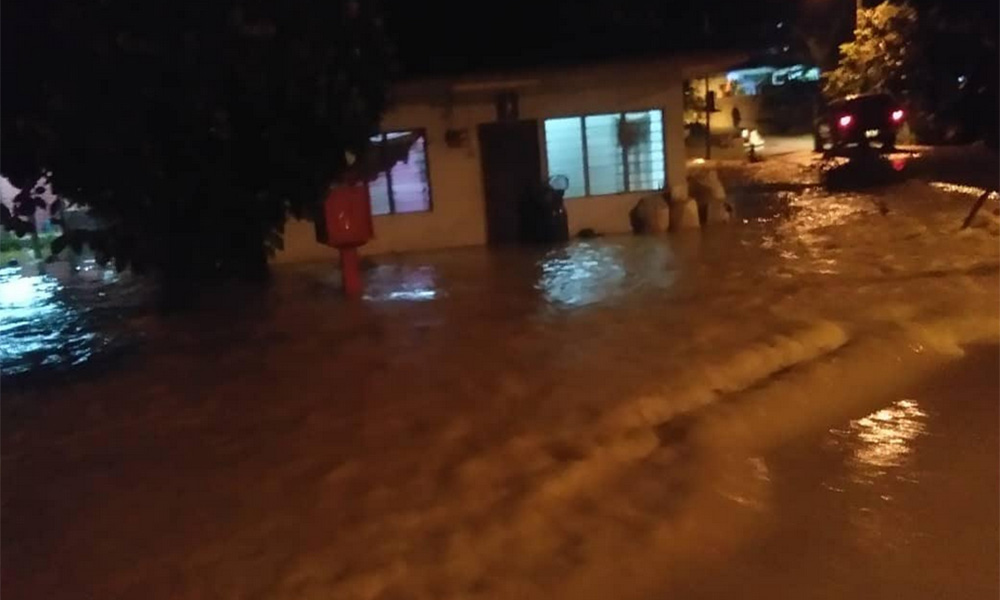
Another problem that has been highlighted is that of flash floods in the semi-rural homes in Pekan Trolak (above), located 7km away from Slim River town, which are constantly engulfed by floodwaters.
Once again, Malaysiakini went to the area and met locals who said the problem had not been addressed in decades and that many villagers had given up and moved away.
In this instance, Tanjung Malim MP Chang Lih King had even raised the matter of flooding in Pekan Trolak in Parliament, citing two floods that occurred on Oct 18 and 19.
On Nov 19, the then Water, Land and Natural Resources Deputy Minister Tengku Zulpuri Shah acknowledged the seriousness of the problem and said that funds would be allocated under the 12th Malaysia Plan (2021-2025) for the Department of Irrigation and Drainage to address this critical issue.
Tengku Zulpuri had said that the funds would cover the Sungai Trolak Flood Mitigation Plan for Kampung Trolak Pekan and the Sungai Klah Flood Mitigation Plan for Kampung Felda Trolak Utara and Kampung Klah Baru.
However, that government has since fallen and the best way to ensure some commitment from the candidates to continue what was agreed upon. Hotly favoured Barisan Nasional (BN) candidate Mohd Zaidi Aziz said he will make solving floods his priority if he is given the mandate on Aug 29.
The thing is – like it or not – extravagant promises of development are a staple of by-election campaigns – from both sides of the fence.
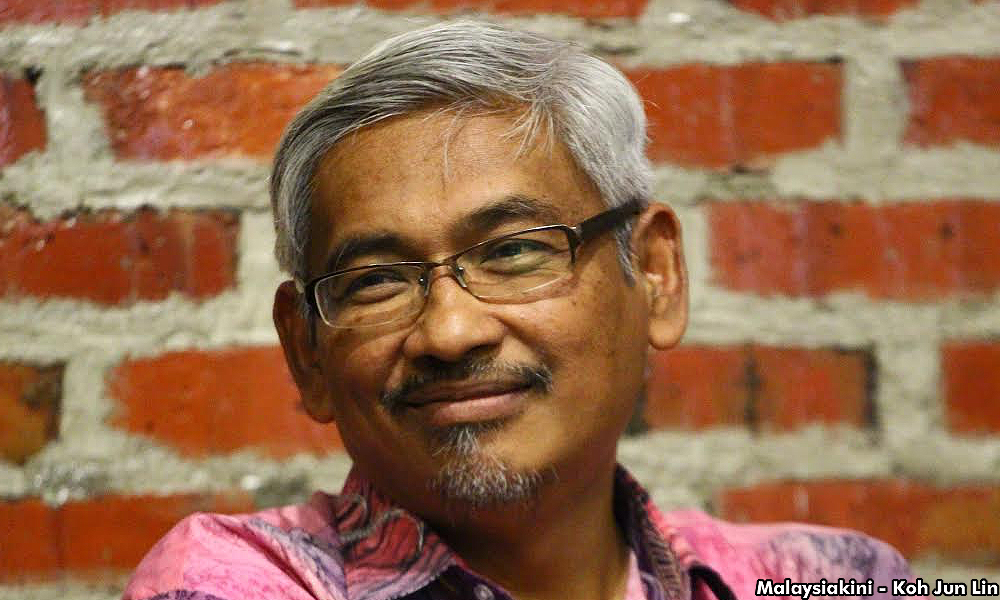
Perak opposition leader Abdul Aziz Bari (above) said that in the case of the flood issue, it was really too large an undertaking and the state did not have the means.
“It’s too expensive and only the federal government has that sort of budget and the plan must be integrated. At the same time both local reps, both the MP and the state assemblyperson, must keep tabs and hold the authorities to their promises made during the campaign.”
Aziz said he questioned why the voters continually picked a political party that had not resolved issues despite being given many years to do so. The late assemblyperson Mohd Khusairi Abdul Talib had held the seat since 2004 and his predecessor, former state speaker Junus Wahid, occupied it from 1986 to 2004.
“I think the reps have either been sleeping or the state governments could not care less. I see it as Umno’s failure and the voters should punish them,” Aziz said.
When I first set foot in a by-election campaign in Lunas, Kedah, in November 2000, I immediately witnessed political big guns descend upon a woefully underdeveloped region and shamelessly promise the sky.
It’s a wonder someone hasn’t got carried away and proposed a university or hospital – but it does happen, believe me. Indeed, one wonders if by-election sweeteners should just be accepted as a necessary evil, or scrutinised a little more thoroughly.
MARTIN VENGADESAN is a Malaysiakini team member.




Are you sure you want to delete this comment?
This action cannot be undone.