



COMMENT | Time to replace the old guard
COMMENT | For decades we have deliberated on what must be done to change the Malaysian mindset on race and religion. Race-based parties and coalitions, however, continue to emerge such as Perikatan Nasional and, lately, Pejuang.
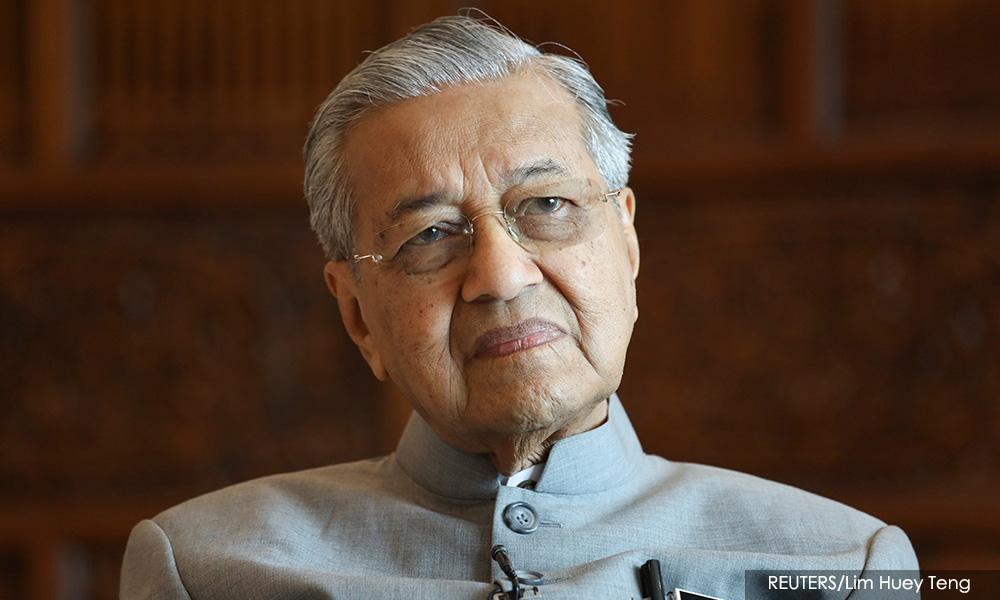
Mahathir Mohamad's new party aims to "champion the rights of Malays" and, hypocritically, to "fight against money politics". That manifesto is as mundane as it is outdated and increasingly irrelevant.
Likewise, Muhyiddin Yassin’s bumiputera agenda now permeates through Perikatan Nasional’s governing structure. Out of 32 ministers and 38 deputy ministers in its cabinet, only five and 10 are non-Muslims respectively.
Since the '70s, the state of race relations has remained where it was - perennial pus that erupts with each election.
Over the years, we have seen provocations by ultra-nationalist Perkasa and Umno. Malay protests against the relocation of Hindu temples to Muslim residential areas had fueled Indian ire. Bersih street protests had edged towards the brink of racial violence.
None of these time-bombs, however, had detonated into the sectarian-like bloody violence of May 13, 1969, which I had witnessed and remember to this day.
I had experienced...
COMMENT | For decades we have deliberated on what must be done to change the Malaysian mindset on race and religion. Race-based parties and coalitions, however, continue to emerge such as Perikatan Nasional and, lately, Pejuang.
Mahathir Mohamad's new party aims to "champion the rights of Malays" and, hypocritically, to "fight against money politics". That manifesto is as mundane as it is outdated and increasingly irrelevant.
Likewise, Muhyiddin Yassin’s bumiputera agenda now permeates through Perikatan Nasional’s governing structure. Out of 32 ministers and 38 deputy ministers in its cabinet, only five and 10 are non-Muslims respectively.
Since the '70s, the state of race relations has remained where it was - perennial pus that erupts with each election.
Over the years, we have seen provocations by ultra-nationalist Perkasa and Umno. Malay protests against the relocation of Hindu temples to Muslim residential areas had fueled Indian ire. Bersih street protests had edged towards the brink of racial violence.
None of these time-bombs, however, had detonated into the sectarian-like bloody violence of May 13, 1969, which I had witnessed and remember to this day.
I had experienced covert discrimination in the public education system as sanctioned by the New Economic Policy - and in the mainstream newsroom in the late 70s. Did the experience influence my interaction with Malay colleagues? Yes, to an extent - as long as we avoided debating on race politics.
I was captive to my memory of 1969 and experience of academic life dictated by the Universities and University Colleges Act. My Malay colleagues were presumably captives of their own history too.
Our respective neural circuitry was wired for a Pavlovian response to race-laden political phrases that consequently undermined any chance of rational discourse on progressive policies. I suppose it still does.
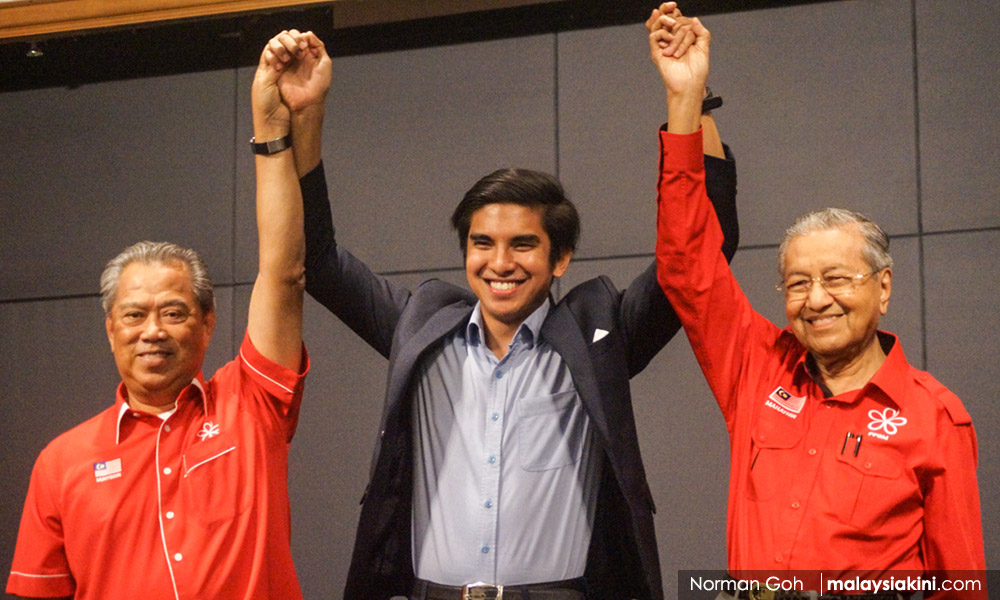
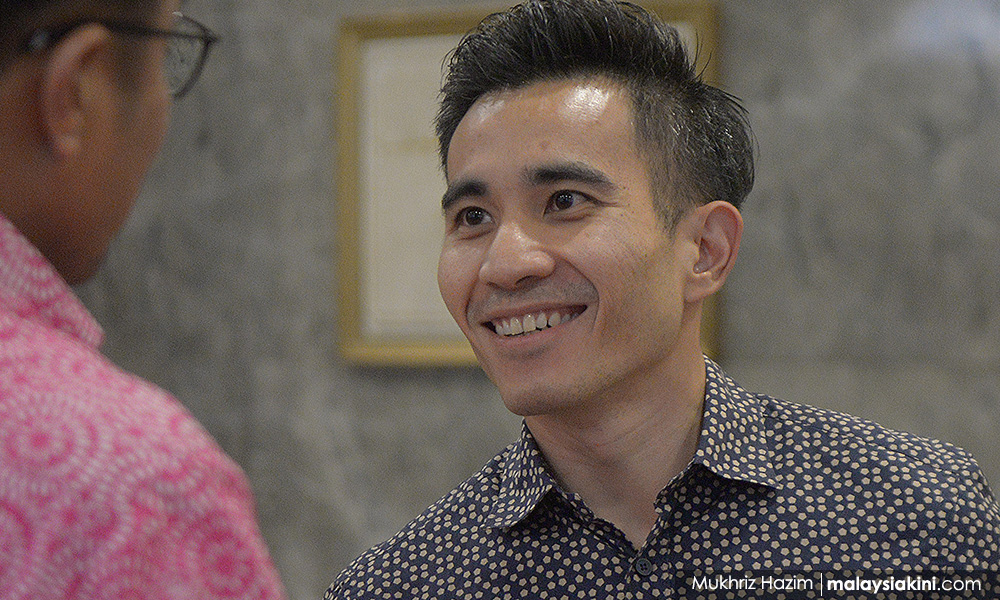
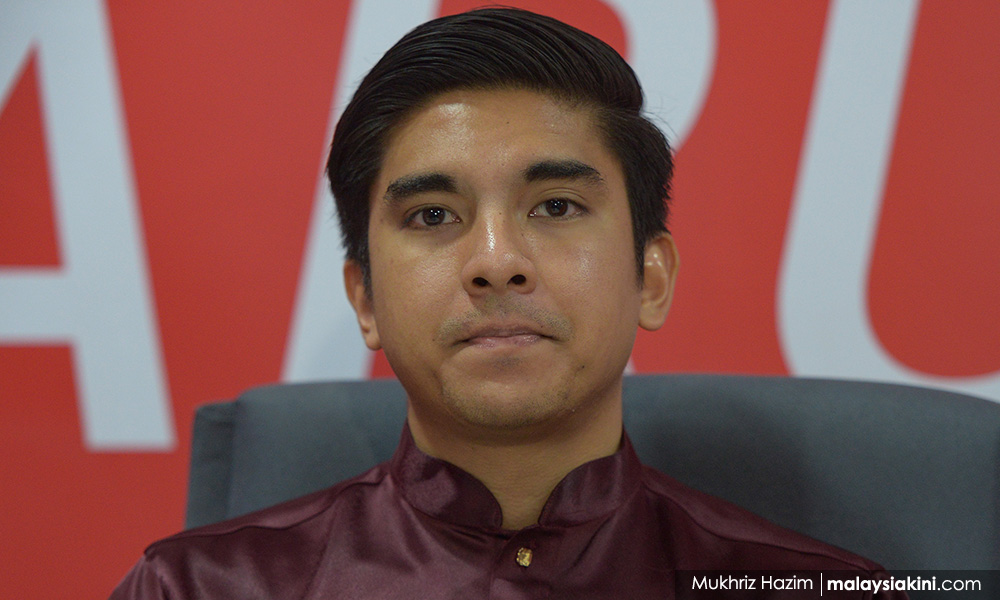
Any hope for significant change now rests with the younger, more cosmopolitan "technocrats" such as former youth and sports minister Syed Saddiq Syed Abdul Rahman and deputy Umno youth leader Shahril Hamdan, both beneficiaries of the new economic policies but whose political values may differ from their parents and grandparents.
Both have voiced what the country could achieve if Malaysians could shift the national conversation and their referent points to more progressive policy proposals and the rule of law rather than being perpetually stuck on racial differentiation.
Transformative role
The fact is when the only tool we have is a racist hammer, every issue we see is a racial nail to be pounded such as the khat and "Allah" controversies, the advocacy for vernacular schools, rising crime, illegal migrant workers and community transmission of Covid-19.
Out of the lot of the old guard, Anwar Ibrahim seems to be more attuned to breaking out of the racial bubble and move beyond seeking race-based solutions to issues that affect all Malaysians such as income inequalities, public health services, jobs and the declining quality of school education.
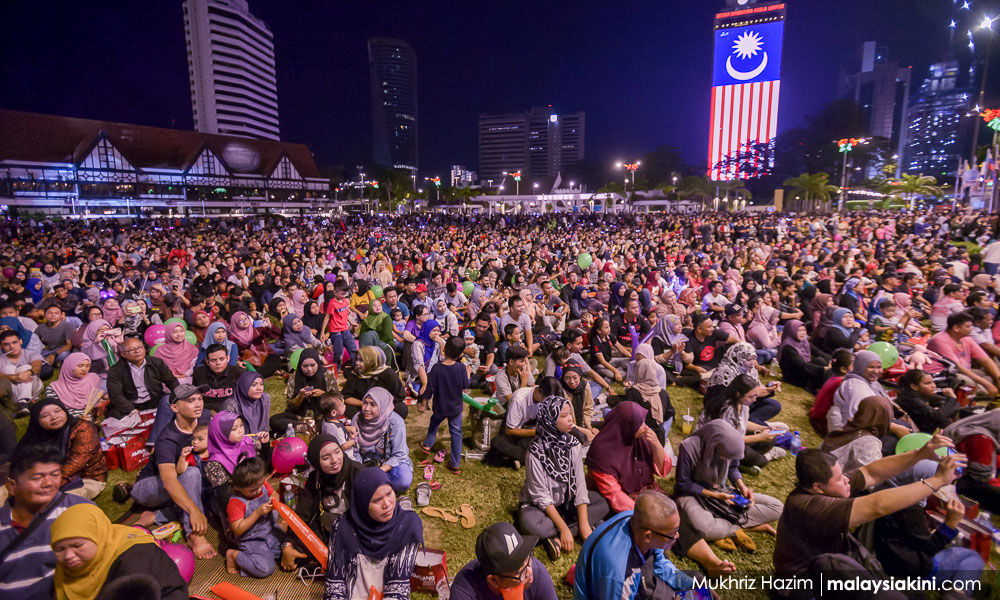
The new generation of better informed, tech-savvy millennial voters is getting tired of the same old racial reruns. A Merdeka Centre survey early this year shows that young voters are less concerned with race and religion than the more pressing livelihood issues and accountable governance.
Eligible voters between the age of 21-39 will likely outnumber older voters in the next general election. The younger voters will likely look towards the more youthful, and we hope, more liberal Malay leaders – the Saddiqs and Shahrils, the Fahmis and Nuruls – with greater confidence in their capacity to propose progressive policies that would lead to a significant change in how Malaysians can achieve their economic goals without each feeling discriminated because of their race and religion.
This is where journalists and social media influencers can play a transformative role in highlighting the progressive agendas of a new generation of politicians and downplay the racial reruns of the old guard who are caught in a time warp.
Journalists ought to challenge the tired old birthright agenda when the bumiputera today comprise close to 69 percent of the population. What specific Malay rights need protection and from whom? How exactly are the minority Chinese a threat to the "special position of the Malays" that is protected by Article 153 of the Federal Constitution?
Media reports may not be able to purge racial discrimination from the system, but journalists through their interpretative stories can effectively mitigate the fracturing of communities by placing issues in their historical context, supported by cogent reasoning and verified facts.
I know that what we choose to report, who we interview, the quotes we decide to use to frame our stories can impress upon our readers' and viewers' interpretation of actualities, especially with stories that carry elements of race and religion, such as the unilateral child conversion law vis-a-vis Indira Gandhi's legal battle to nullify the unilateral conversion of her children to Islam by her ex-husband.
Media consumers, in turn, should research and read different reports on controversial issues published in different media outlets – from Malaysiakini and Sin Chew to Utusan Malaysia and Berita Harian for a more complete picture of the "truth". Relying on only one media outlet for your news is to see the world in one dimension, and consequently taken on a ride by the old guard from both sides of politics.
ERIC LOO is the founding editor of the academic journal Asia Pacific Media Educator.
The views expressed here are those of the author/contributor and do not necessarily represent the views of Malaysiakini.



Report this comment
Are you sure you want to delete this comment?
This action cannot be undone.