


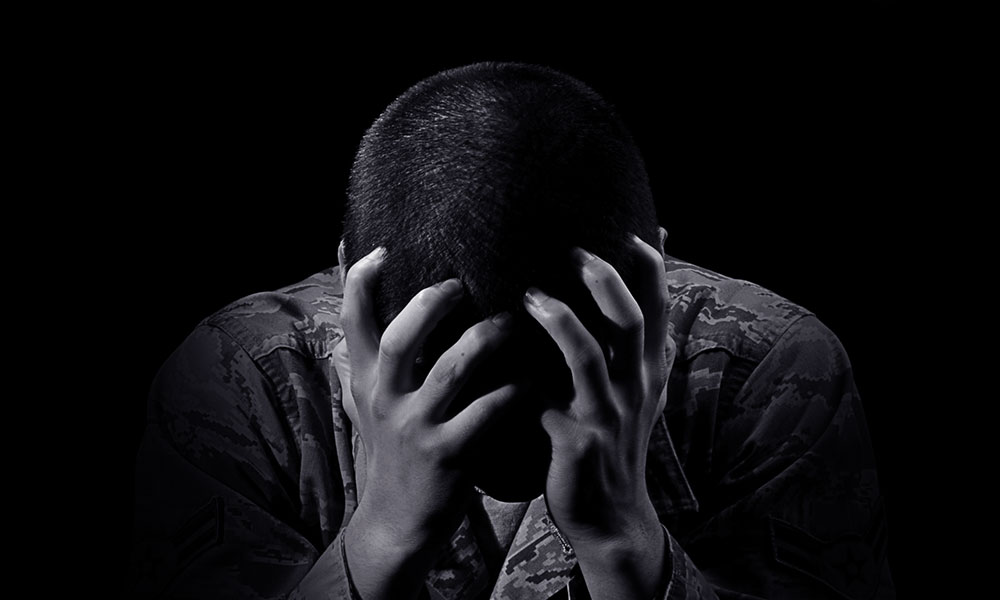

COMMENT | Covid-19 and mental health - what have we learnt?
COMMENT | This year's World Mental Health Awareness Month is being celebrated with a slightly different atmosphere. We celebrate this month with the Covid-19 epidemic challenges that have yet to see their end.
This coupled with the challenge of the third wave in Malaysia, which started in line with the beginning of many programmes organised for this mental health month. The theme of this year's celebration, "Mental Health for All" is also in line with this epidemic phenomenon that affects almost everyone in diverse circumstances.
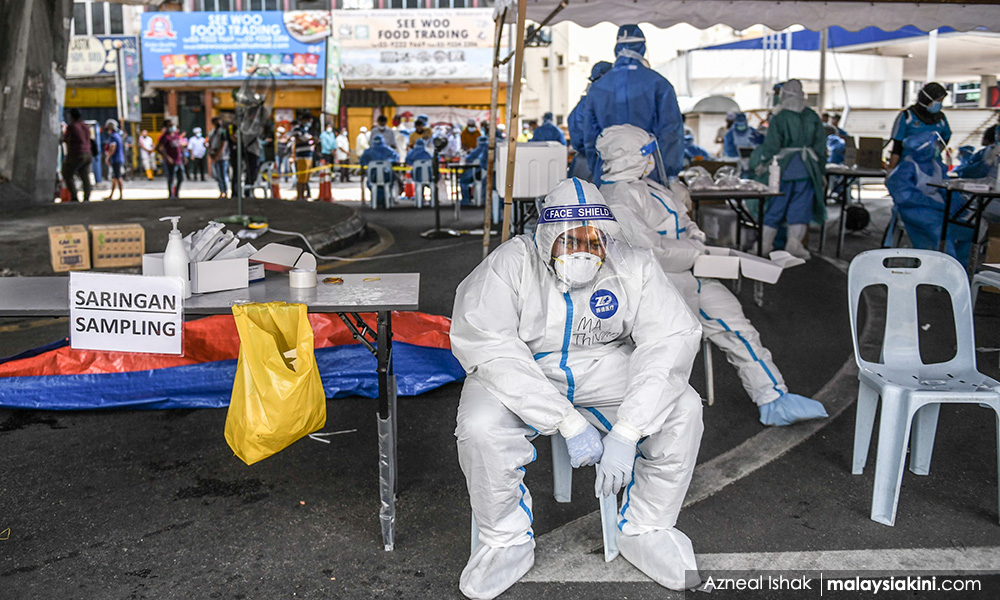
As we all know, in addition to the direct impact on physical health, this epidemic also has an indirect impact on human social well-being and mental health. Global statistics have shown an increase in cases of ...
COMMENT | This year's World Mental Health Awareness Month is being celebrated with a slightly different atmosphere. We celebrate this month with the Covid-19 epidemic challenges that have yet to see their end.
This coupled with the challenge of the third wave in Malaysia, which started in line with the beginning of many programmes organised for this mental health month. The theme of this year's celebration, "Mental Health for All" is also in line with this epidemic phenomenon that affects almost everyone in diverse circumstances.
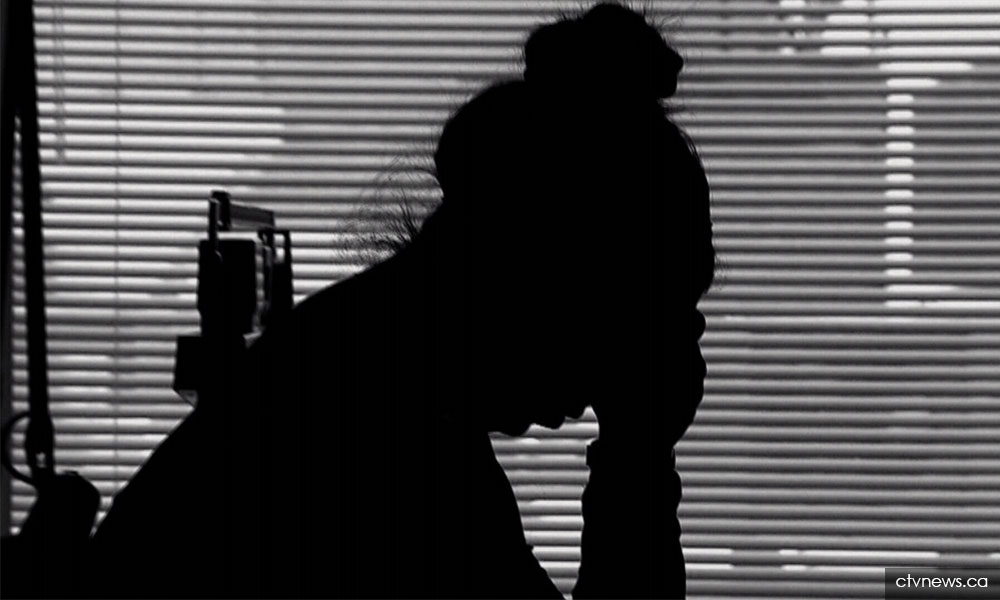
As we all know, in addition to the direct impact on physical health, this epidemic also has an indirect impact on human social well-being and mental health. Global statistics have shown an increase in cases of psychological stress, depression, anxiety, acts of self-harm and domestic violence during this period.
In addition, a World Health Organisation (WHO) study involving 130 countries also reported that more than 60 percent of psychiatric and mental health services were directly affected by this epidemic. These include postponement of appointments and therapies, lack of resources, patient logistics issues plus finances and services that cannot meet current needs.
This indirectly reminds us of a fact that has long been mentioned, namely the lack of resources in mental health services that need to be taken seriously. Our country's ability to cope with the complications of this epidemic, in terms of mental health, must be enhanced so that it is in line with the needs in the field.
We are all aware of the mental health status of Malaysians that needs serious attention. The prevalence of mental problems in Malaysia has tripled from 10.7 percent (1996) to 29.2 percent (2016). Depression and anxiety are among the contributors to the issue of disability in Malaysia.
Not only that, mental health problems in the workplace have a significant economic burden on Malaysia, where as much as RM14.46 billion had to be borne due to the implications of mental problems in the workplace in 2018.

Even so, human resources for this field are still in critical condition. This can be seen from the rate of one psychiatrist for an estimated 100,000 Malaysians. To understand this from a public health perspective, for example, with a prevalence of eight percent of cases of depression, this means that for depression alone, an estimated 1.6 million adult Malaysians suffer from depression - far more than the capacity of existing psychiatrists.
In addition, we also have a shortage of clinical psychologists and counsellors in the public sector. Sadly, the budget specifically for mental health is only RM344.82 million, which is only one percent of the overall national health budget.
Workplace health
For this, we want to highlight a few suggestions on some aspects that need to be given priority. Among them is the issue of adolescent mental health - especially that of school students. This is important as a preventative measure as 50 percent of cases of mental problems start before the age of 14 years.
The government should consider creating a one-stop centre, such as the Mentari concept for adolescents, and collaborating with the Ministry of Education to create emotional management modules for more intensive students while working with the Ministry of Women and Family Development for parenting psychology courses for young families and with the Islamic Religious Department through pre-marital courses.
In addition, mental health issues in the workplace should also be given attention. Among those that can be recommended is the creation of more counsellor positions in government departments, such as in federal and state government agencies, to help staff who suffer from stress.

We also need better mental health networks in the community for the purposes of prevention and treatment in the community as well as rehabilitation to improve patients' ability to return to society. One example is by increasing the capacity of more Health Clinics to hold a mobile team to provide home-based services to patients.
We also need to increase the empowerment of online counselling services by creating a more integrated, government-funded 24-hour Acute Crisis Centre that can communicate directly with local and regional mental health services.
This includes increasing access to those coming from remote areas, such as the interiors, by reducing the service gap. The use of online services will indirectly increase their access to treatment behind logistical constraints.
Epidemics of Covid-19 should make us aware of the importance of mental health in facing the short-term and long-term implications of Covid-19 transmission. We all must play our roles in helping the government to improve access and increase investment in the mental health sector.
Cooperation from the community, the private sector and non-governmental organisations will fulfil the inspiration and hope of the theme for this year's World Mental Health Month, "Mental Health for All".
DR ROZANIZAM ZAKARIA is pyschiatry specialist at IIUM, vice-president Ikatan Pengamal Perubatan dan Kesihatan Muslim Malaysia (I-Medik) and deputy chairperson of the Pahang Mental Health Club.
The views expressed here are those of the author/contributor and do not necessarily represent the views of Malaysiakini.


Report this comment
Are you sure you want to delete this comment?
This action cannot be undone.