



COMMENT | Effect of MCO on persons with autism
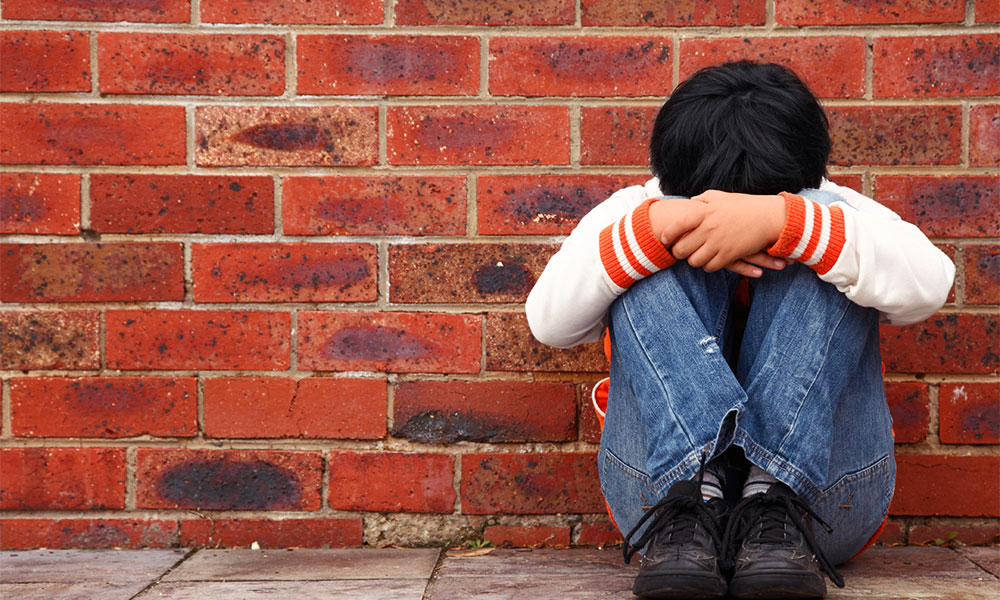
COMMENT | Malaysia has been through a Movement Control Order (MCO) and a Conditional Movement Control Order (CMCO) and while I write this, a second CMCO. Most of us can immediately distinguish between the two orders. For those who have autism or other disabilities, both those orders mean exactly the same thing. Isolation. Deprivation. Confusion.
Persons with autism already face any number of challenges everyday. However, over the years, they were able to learn and develop their coping mechanisms. And then arrived, ever so abruptly, Covid-19.
For persons with autism, daily routine is essential. They rely on a heavily scheduled and routine lifestyle as it adds a semblance of certainty which keeps them going. Transition is very challenging for persons with autism. Social interaction is just as important.
There is a misunderstanding that persons with autism prefer to remain in isolation. That is untrue. Research has shown that persons with autism feel the effects of being socially isolated and lonely, all of which can have a monumental impact on their mental health.
Thus, their emotional wellbeing must also be well-managed. Persons with autism can also be emotional resonators (they adopt the mood of those around them), so it is important that their environment is free, as far as possible, of anguish, anger, and aggravation.
So how did the quick transition into a pandemic alter the lives of all persons with autism...
COMMENT | Malaysia has been through a Movement Control Order (MCO) and a Conditional Movement Control Order (CMCO) and while I write this, a second CMCO. Most of us can immediately distinguish between the two orders. For those who have autism or other disabilities, both those orders mean exactly the same thing. Isolation. Deprivation. Confusion.
Persons with autism already face any number of challenges everyday. However, over the years, they were able to learn and develop their coping mechanisms. And then arrived, ever so abruptly, Covid-19.
For persons with autism, daily routine is essential. They rely on a heavily scheduled and routine lifestyle as it adds a semblance of certainty which keeps them going. Transition is very challenging for persons with autism. Social interaction is just as important.
There is a misunderstanding that persons with autism prefer to remain in isolation. That is untrue. Research has shown that persons with autism feel the effects of being socially isolated and lonely, all of which can have a monumental impact on their mental health.
Thus, their emotional wellbeing must also be well-managed. Persons with autism can also be emotional resonators (they adopt the mood of those around them), so it is important that their environment is free, as far as possible, of anguish, anger, and aggravation.
So how did the quick transition into a pandemic alter the lives of all persons with autism?
Wearing a mask
It must be noted that persons with autism are highly sensitive to touch, especially of their face. Wearing a mask causes them to feel many unpleasant sensations. For example, there is the unfamiliar material of the surgical mask, and the uncomfortable elastic bands that go around their ears. Their breathing can feel restrictive which also gives rise to some concern for those with epilepsy.
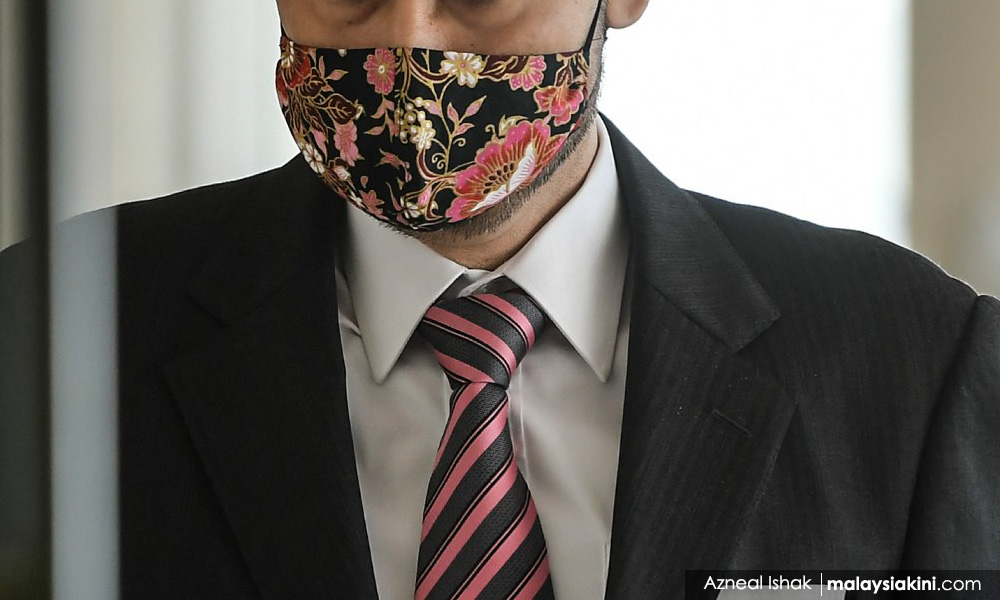
What is “uncomfortable” to you is intensely magnified for persons with autism. They also depend on reading people’s facial expressions for social cues. The only thing they can see with other people wearing masks are their eyes, and those who struggle with eye contact will find this difficult.
After the first MCO, when our students came back to the centre for classes, we were prepared for our students to be struggling with wearing masks. That was true for a few. What we were not prepared for, was that some of them developed an obsession for the masks and face shields and the obsession got worse over time.
It was even difficult to get them to remove their masks for lunch. Some even continued to wear them at home refusing to take them off until bed time.
The other extreme would be students who kept disposing their masks throughout the day which sometimes resulted in them using 20 masks a day. Persons with autism also have meltdowns, and when this occurs, their breathing intensifies. If they refuse to remove their masks, this can be detrimental. These are some of the issues that occur due to the sudden imposition of the MCO and CMCO.
Social distancing
This is another problem faced by teachers and caregivers of persons with autism and other disabilities. Very often, close contact is required to teach them and guide them in their daily activities. Some may have difficulties moving, and may require assistance to get around. Some require help eating.
There are instances when persons with autism may have a meltdown and it is necessary to reassure them physically to calm them down. There are many other such situations that require close contact.
The idea of social distancing is not practical and is also something that they do not necessarily understand. Teachers and friends distancing themselves may create confusion and alarm, which can lead to anxiety and depression.
Washing hands
This was not difficult to implement but required constant verbal reminders and instructions thus placing an additional burden on caregivers and teachers. It also required extra supervision and assistance to ensure it was properly carried out throughout the day.
Quarantine
Strangely, one of the synonyms in the dictionary for the word “isolation” is “quarantine”. Many people have the misconception that persons with autism lack empathy, are unsociable, and unable to love.
In fact they require social interaction to feel included, appreciated, and loved. Schools and centres for persons with autism could not operate and therefore these social requirements were not met leading to anxiety and depression.
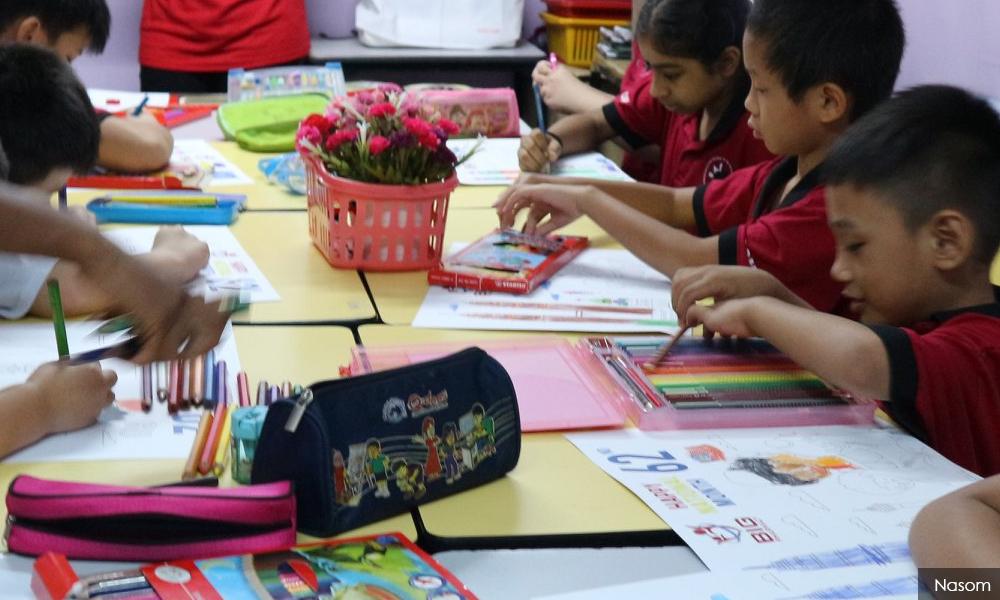
Online education is now the new norm for many students, but for persons with autism, there are additional difficulties. For example, they must have some digital knowledge and have access, and caregiver/parent availability in the home to assist.
For some, their home environment may not be conducive and families being together for long periods of time may cause anger and frustration; emotions that would be adopted by their family member with autism.
The pandemic intensifies the learning challenges, although we have found that they responded well to our online interactions. It was clear to us that they missed seeing their friends and teachers.
These are some of the practical challenges faced by persons with autism and their caregivers and teachers, and I have identified but a few examples. I have not offered any solutions in this article as we continue to grapple with the problems faced knowing that there is no one solution that fits all.
When the government imposes such orders, due regard must be had for persons with disability and marginalised communities whose lives are totally disrupted by the pandemic. The sudden imposition of MCO and CMCO did not allow teachers, caretakers, and parents the time to adequately educate, prepare, and introduce the “new normal” to them.
To many who are privileged, the pandemic provided opportunities, to take a break, to bond with their families, to learn a new hobby, and to reschedule their lives to working from home. To others, their lives were upended and thrown into disarray.
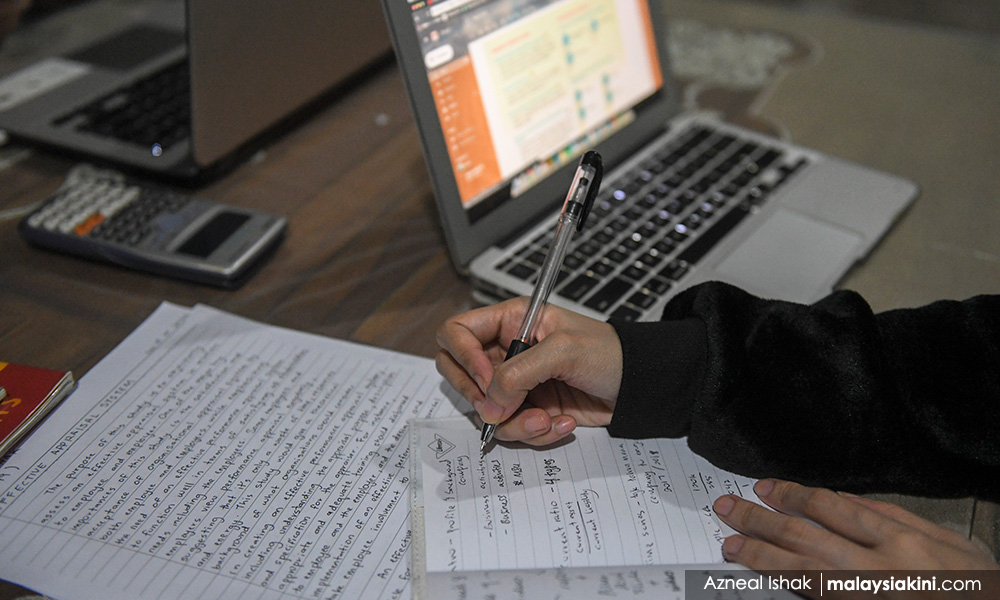
I urge the relevant authorities to consider persons with autism the next time they make announcements regarding Covid-19. The effort it takes to change a timetable, routine, and lifestyle requires more time than just two days.
While most have suffered from the pandemic, the effects of it will continue to be disruptive to the lives of persons with autism. The time will come when Covid-19 is “old news” and everything will likely return to the way it was. All of the temporary changes we made during the pandemic will just be seen as something we had to do in the moment.
However, for persons with autism and disability, as well as marginalised communities, the effects will be felt far beyond the pandemic. The problems of these communities have come to the fore during this pandemic and people have come to realise the magnitude of the social problems that exist in our midst.
One can only hope that they will not be forgotten by those who return to the comfort of their lives post-pandemic and that instead we can all commit to being voices for the voiceless.
SHARANYA RADHAKRISHNAN is co-founder of Gem & Bread Special Needs Support Group which works to uphold the dignity and rights of all persons with special needs while striving towards building an inclusive ecosystem.
The views expressed here are those of the author/contributor and do not necessarily represent the views of Malaysiakini.



Report this comment
Are you sure you want to delete this comment?
This action cannot be undone.