



COMMENT | World Pneumonia Day to expose No.1 killer of young children
COMMENT | Pneumonia kills an estimated 1.4 million children under the age of five every year - more than deaths from Aids, Malaria, and TB combined. It accounts for 18 percent of all deaths of children under five worldwide. One child dies from pneumonia every 20 seconds. Most of these deaths occur in developing countries.
In Malaysia, the prevalence of pneumonia in children under five is between 28 to 39 percent. It is the fifth-highest cause of death in Malaysian children, contributing 3.8 percent of under-five deaths in 2006, and increasing to 5.1 percent in 2016.
For under-five deaths due to pneumonia in 2016, the Orang Asli children had the highest risk of deaths. Non-citizens, Bumiputra Sabah, and “other Malaysian” children also had a significantly higher risk of death due to pneumonia.
This global tragedy becomes even more depressing by the universal finding that only one in five caregivers could recognise the danger signs of pneumonia. Pneumonia often mimics the common cold, starting with a fever and cough and parents may not realise that the condition may be more serious than the flu. And only one in five children with pneumonia actually received life-saving antibiotics...
COMMENT | Pneumonia kills an estimated 1.4 million children under the age of five every year - more than deaths from Aids, Malaria, and TB combined. It accounts for 18 percent of all deaths of children under five worldwide. One child dies from pneumonia every 20 seconds. Most of these deaths occur in developing countries.
In Malaysia, the prevalence of pneumonia in children under five is between 28 to 39 percent. It is the fifth-highest cause of death in Malaysian children, contributing 3.8 percent of under-five deaths in 2006, and increasing to 5.1 percent in 2016.
For under-five deaths due to pneumonia in 2016, the Orang Asli children had the highest risk of deaths. Non-citizens, Bumiputra Sabah, and “other Malaysian” children also had a significantly higher risk of death due to pneumonia.
This global tragedy becomes even more depressing by the universal finding that only one in five caregivers could recognise the danger signs of pneumonia. Pneumonia often mimics the common cold, starting with a fever and cough and parents may not realise that the condition may be more serious than the flu. And only one in five children with pneumonia actually received life-saving antibiotics.
The World Health Organisation (WHO) and Unicef in 2008 outlined the Global Action Plan for Prevention and Control of Pneumonia. This child survival strategy embraced the following three elements:
- Protection by handwashing, exclusive breastfeeding, improved nutrition, avoidance of indoor pollution (smoking, stove fires), and reducing risk factors (e.g. HIV).
- Treatment by improving access to healthcare and appropriate management at health facilities.
- Prevention of pneumonia by immunising against germs that are responsible e.g. measles, pertussis, influenza, haemophilus influenza B (Hib), and pneumococcus.
The interventions to Protect (breastfeeding), Prevent (vaccinations), and Treat (case management) in the 68 high-child-mortality countries would potentially avert up to 1.2 million post-neonatal pneumonia deaths annually.
The prevention strategy with “pneumonia vaccines” have been shown to substantially reduce pneumonia morbidity and mortality in children. Malaysia introduced pertussis, measles, Hib, and pneumococcal conjugate vaccines (PCV) in the Ministry of Health (MOH)'s National Immunisation Program (NIP) in 1960, 1982, 2002, and 2020 respectively. The influenza vaccine is not in the NIP.
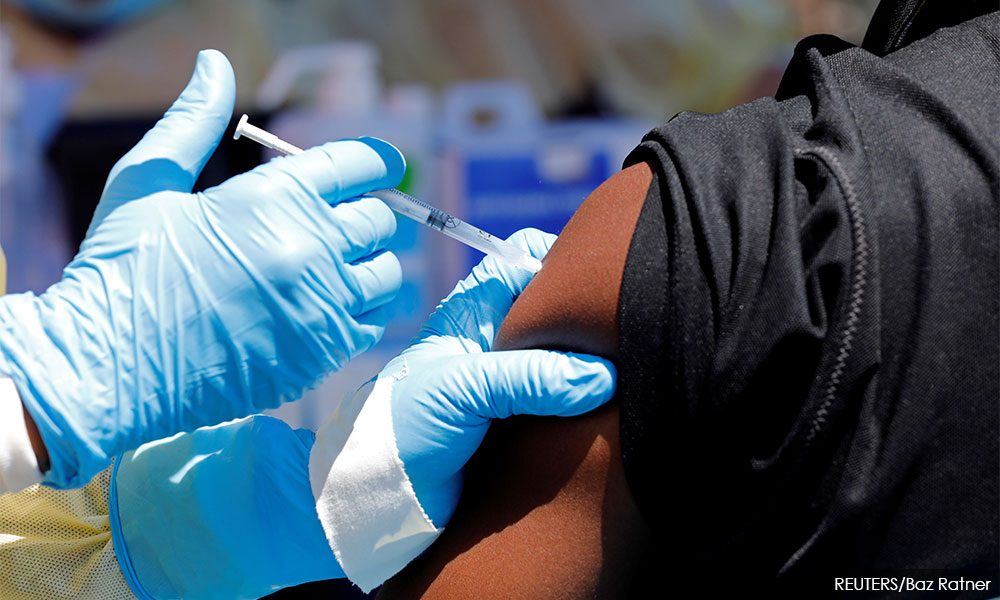
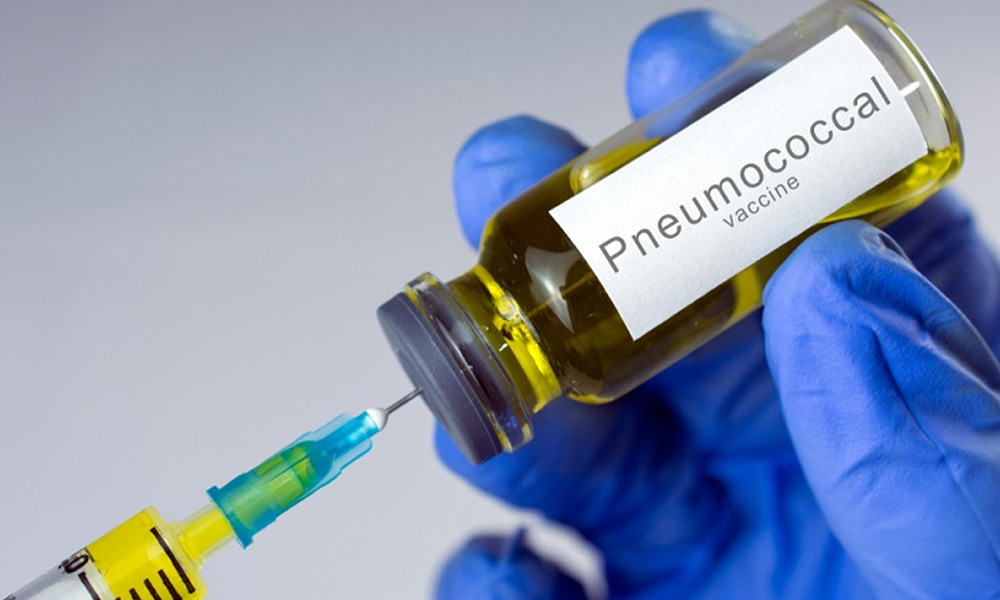
The Malaysian Paediatric Association (MPA) and its partners championed the inclusion of the PCV, the latest “pneumonia vaccine” in the NIP since 2005. It was included in the 2020 Budget by the Pakatan Harapan government with a kick-start budget of RM60 million. The PCV prevents pneumococcus which is the number one cause of pneumonia deaths. More than 50 percent of pneumonia deaths are due to pneumococcus.
Apart from pneumonia, pneumococcus can cause other serious diseases namely meningitis (inflammation of the lining of the spine and brain), bacteraemia (germs in the blood), and other less invasive but burdensome conditions in terms of volume of morbidity and complications - otitis media (inflammation of the middle ear) and sinusitis (infection of the sinuses).
For every case of pneumococcal meningitis each year there are probably 1,000 cases of pneumococcal otitis media. The two cases below illustrate the spectrum of diseases caused by pneumococcus.
Case 1: A three-year-old girl presented with a three-week history of coughing and six days of high-grade fever. She did not respond to oral antibiotics and was referred to the hospital.
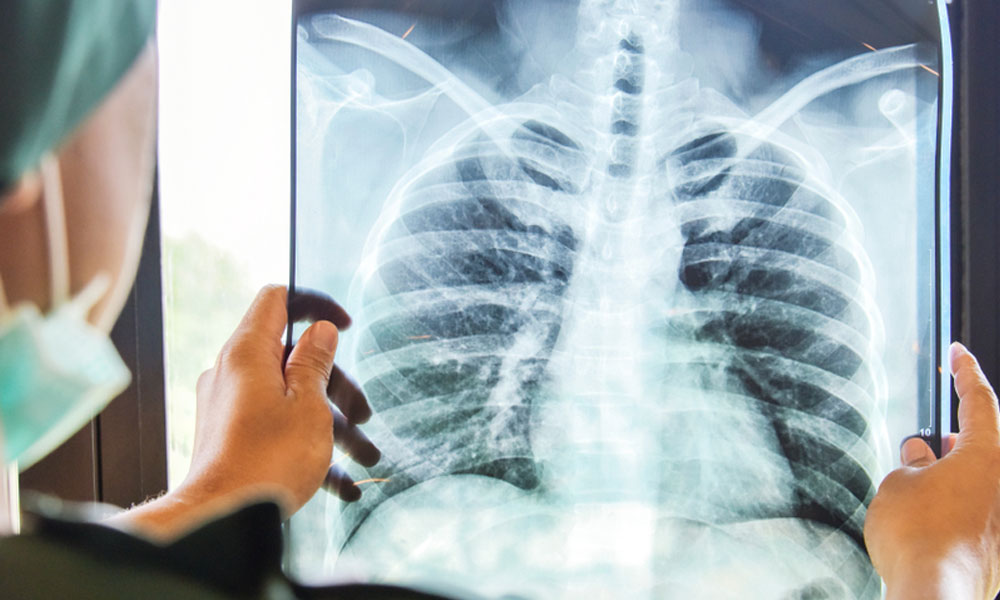
On admission, she was febrile, breathing rapidly, and was grunting. Her chest X-rays (CXR) showed pneumonia of the entire right lung, with fluid collection. The lung fluid was drained and it grew the pneumococcus. She required respiratory support in the Intensive Care Unit (ICU) for five days, oxygen for another five days. Her repeat CXR showed residual lung damage and she was in the hospital for a total of four weeks.
Case 2: In the second case, a five-month-old girl was less fortunate. She had fever 36 hours prior to admission, was feeding poorly, and vomited twice. She was noted to be more sleepy. Both her blood and cerebrospinal fluid grew pneumococcus. Despite ventilation in the ICU, intravenous antibiotics, and close monitoring, she died within 10 hours from pneumococcal septicaemia and meningitis.
Thus, vaccination against invasive pneumococcal disease (IPD) is a pivotal life saving strategy and reduces morbidity because:
- It may prevent children from ever being infected
- Tt reduces transmission of the bacteria in the community thus reducing IPD in other age groups (herd immunity)
- Tt reduces the need for antibiotics resulting in lower rates of resistant bacteria
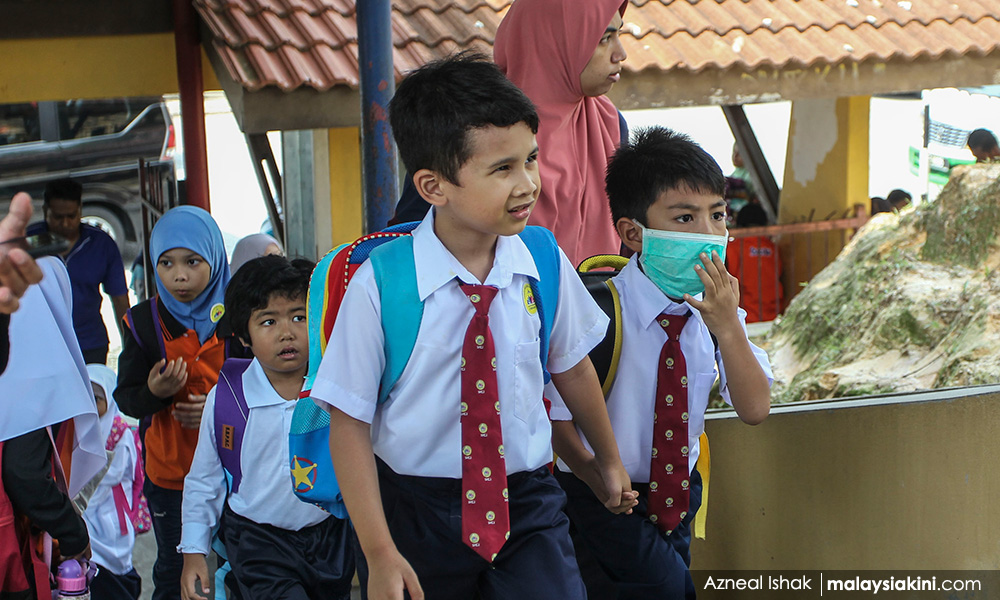
The pneumococcal vaccine first introduced in the USA in 2000 has been shown to be highly efficacious in a wide variety of populations studied since then. The pneumococcal conjugate vaccine (PCV) is the first vaccine in 20 years to show a significant reduction in all-cause child mortality in a major randomised, controlled clinical trial in the Gambia, where seven deaths were prevented for every 1000 children vaccinated.
The WHO in a position statement in 2007 declared “Recognising the heavy burden of pneumococcal disease in children and the safety and efficacy of PCV7 in this age group, WHO considers the inclusion of this vaccine in national immunisation programs as a priority”.
Since the arrival of the PCV to Malaysia in October 2005, only about 15 percent of our birth cohort have been vaccinated against the pneumococcus and virtually all of these were in the private health sector.
The Global Coalition against Child Pneumonia (GCCP)'s annual event, World Pneumonia Day, falls on Nov 12. It is a call to raise awareness about the increasing toll of pneumonia on children.
MPA is part of the GCCP, which was established in 2009 to advocate for global action to protect against, effectively treat, and help prevent pneumonia. Let us together fight pneumonia and save our children.
DR MUSA MOHD NORDIN is the MPA treasurer.
The views expressed here are those of the author/contributor and do not necessarily represent the views of Malaysiakini.




Report this comment
Are you sure you want to delete this comment?
This action cannot be undone.