
COMMENT | 2020: When people followed rules, politicians broke them
COMMENT | It is safe to say that 2020 did not turn out the way Dr Mahathir Mohamad wanted it.
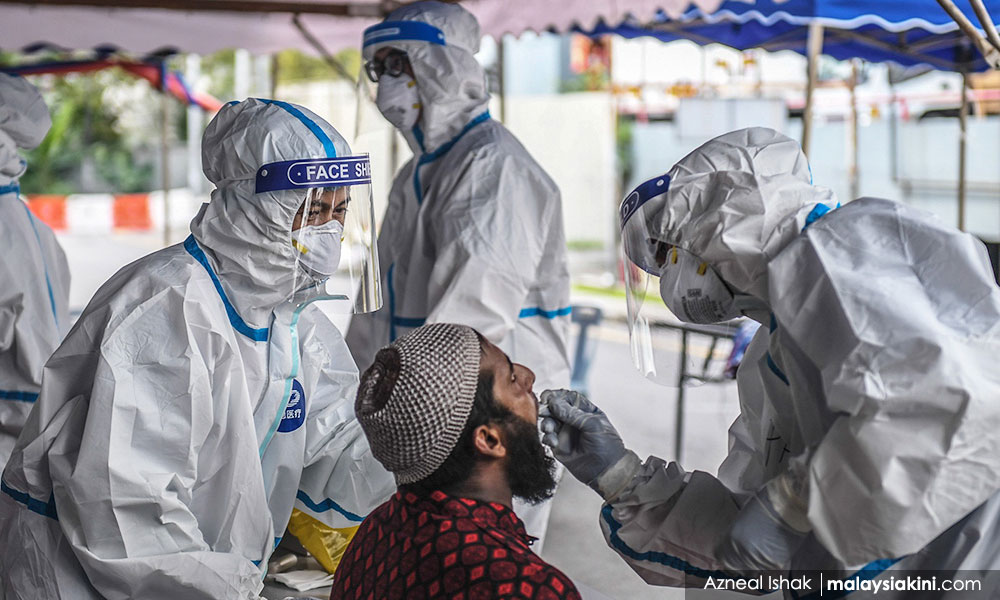
Instead of achieving greater health, we were hit with a once-in-a-century pandemic that threatens the health of millions.
Instead of achieving greater economic prosperity, we have one of the worst years for businesses, with high unemployment and tens of thousands of companies shutting down.
Instead of achieving political stability, we had a series of unholy coup d’etats at the federal and state level.
The year 2020 consists mainly of two events – the pandemic and political instability – and one common theme – people following rules and politicians breaking them.
Once-in-a-century pandemic and how it got worse
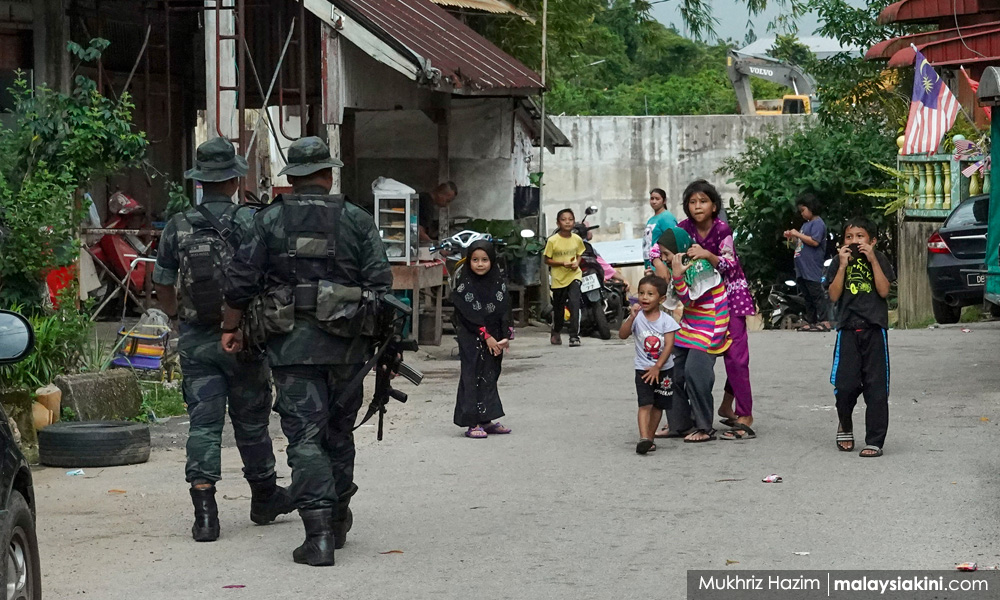
From the day the virus got terrible, we have played our part. When the prime minister announced a nationwide lockdown, the number of...
COMMENT | It is safe to say that 2020 did not turn out the way Dr Mahathir Mohamad wanted it.
Instead of achieving greater health, we were hit with a once-in-a-century pandemic that threatens the health of millions.
Instead of achieving greater economic prosperity, we have one of the worst years for businesses, with high unemployment and tens of thousands of companies shutting down.
Instead of achieving political stability, we had a series of unholy coups d'état at the federal and state levels.
The year 2020 consists mainly of two events – the pandemic and political instability – and one common theme – people following rules and politicians breaking them.
Once-in-a-century pandemic and how it got worse
From the day the virus got terrible, we have played our part. When the prime minister announced a nationwide lockdown, the number of people who flouted the rules were negligible.
Almost all of us knew the gravity of the pandemic and the essence of cooperation.
The numbers started to taper down through different versions of the movement control orders, proving that our efforts were bearing fruit.
By now, the MySejahtera app is the most-used mobile application. In every store, there is a QR code, a logbook, a hanging thermometer, and a person-in-charge to ensure compliance before entry.
Only upon the beep that indicates a safe temperature and a proof of your MySejahtera log would you be allowed to proceed.
But the event that ushered in a new wave of Covid-19 cases was the Sabah state election, a result of greedy politicians wrestling for power.
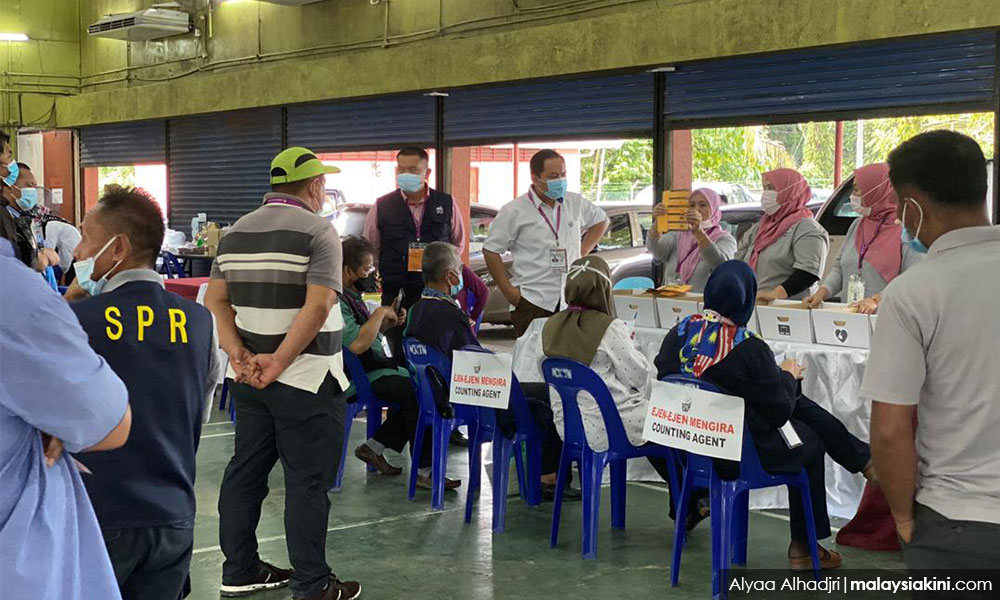
The root cause of the snap poll was that the former chief minister Musa Aman wanted to stage a coup d'état, following four other states and one federal government.
High population mobility and human contact created a cluster that quickly spread throughout the country. Laxer movement restrictions in favour of the economy meant that containment of the disease was harder than before.
The state with the strictest inter-state controls is also the state with the lowest cases thus far: Sarawak, proving there is a correlation between strictness of controls and the number of cases.
In a live television address, the prime minister conceded that the new wave was partly due to Sabah's political events, framing it as "inevitable" when it was anything but.
This was not the first time politicians could break the rules when everyone is expected to follow.
The infamous incident of a minister flouting the 14-day quarantine order upon his return from Turkey sticks out like a sore thumb.
The rule applied to everyone else at that time was that upon returning from another country, you are required to wear a pink wristband, and then be placed under quarantine in a hotel or at home, for a minimum of 14 days before you go out again.
There were no exceptions. People who flouted the quarantine order could be fined thousands of ringgit.
Instead, the minister was allowed to not only roam wherever he pleases, but he remained defiant despite the obvious flouting of rules. There were exceptions, after all.
Once-in-a-lifetime coup d'état and how it got worse
If politicians do not follow written rules, you could not expect them to follow unwritten ones. The basic, unwritten rule of our democracy is that elections are central in determining who the people wanted to govern the country.
Within a maximum of five years, the people are expected to choose the party or coalition to become the government.
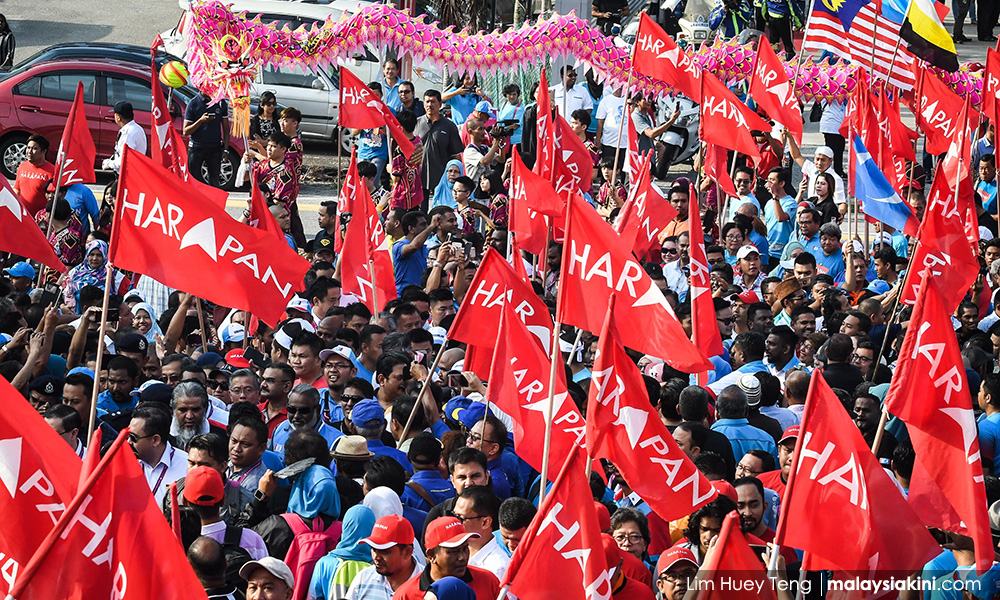
In the last general election, the mandate was between BN, Pakatan Harapan, or PAS. In the end, the coalition with the highest number of seats was Harapan.
After the voting process, the coalition has the flexibility in deciding the personalities to lead the government and any other support from smaller parties to increase stability.
The unwritten rule was that the style could change, but the structure and substance could not.
The government must be largely the Harapan that the people have voted for. They could argue and decide to select some, drop some, or fight some, but the core team and spirit must be there. Otherwise, voting becomes futile.
That was precisely what happened. Politicians at the federal and state levels exploited the loophole of the unwritten rule.
They have substituted the unwritten rule of democracy for the simple mechanism of price. If every politician could be moved at a price, the only question is, how much?
The Sheraton Move was more than a political manoeuvre; it replaced a fundamental tenet of our democracy. Since then, politicians have organised themselves on personal interest and the pursuit of power – contesting in a miserable limbo of "how low can you go?"
Many of us want to run as fast into 2021 as we can, wishing that a calendar change could alter our fate as a people.
But I hope we remember 2020 – it will be the year that defines us. Whether for better or for worse, that depends on what we do next.
JAMES CHAI is a legal consultant and researcher working for Invoke, among others. He also blogs at jameschai.com.my. You may reach him at jameschai.mpuk@gmail.com.
The views expressed here are those of the author/contributor and do not necessarily represent the views of Malaysiakini.