
MP SPEAKS | Parliament has regressed instead of reforming
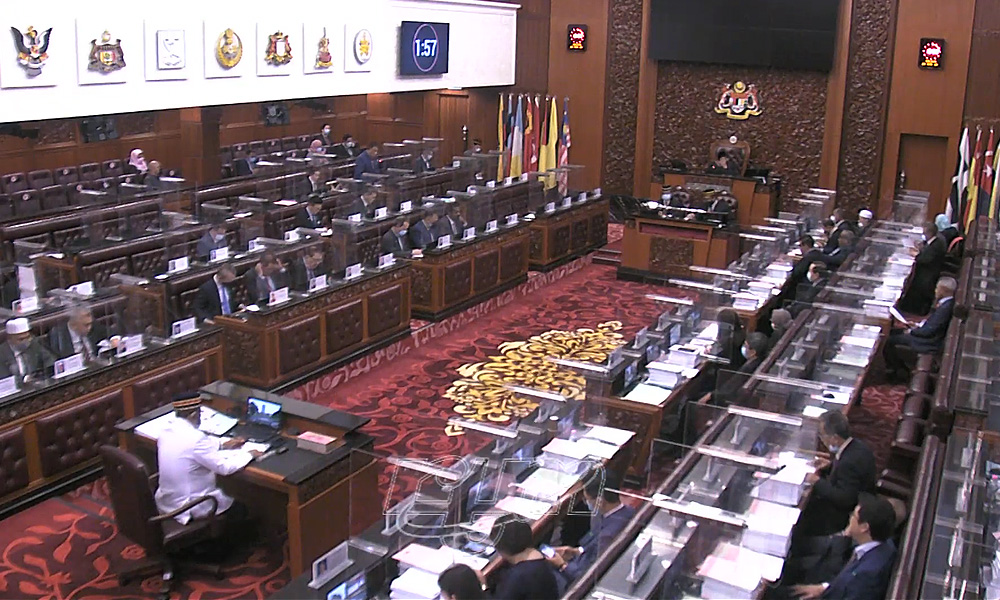
MP SPEAKS | The Dewan Rakyat has concluded its final session for the year, during which all eyes were on Budget 2021 and the instability of the Perikatan Nasional (PN) government. To the disappointment of many, Budget 2021 was eventually passed, and the unelected PN government continues to be in power.
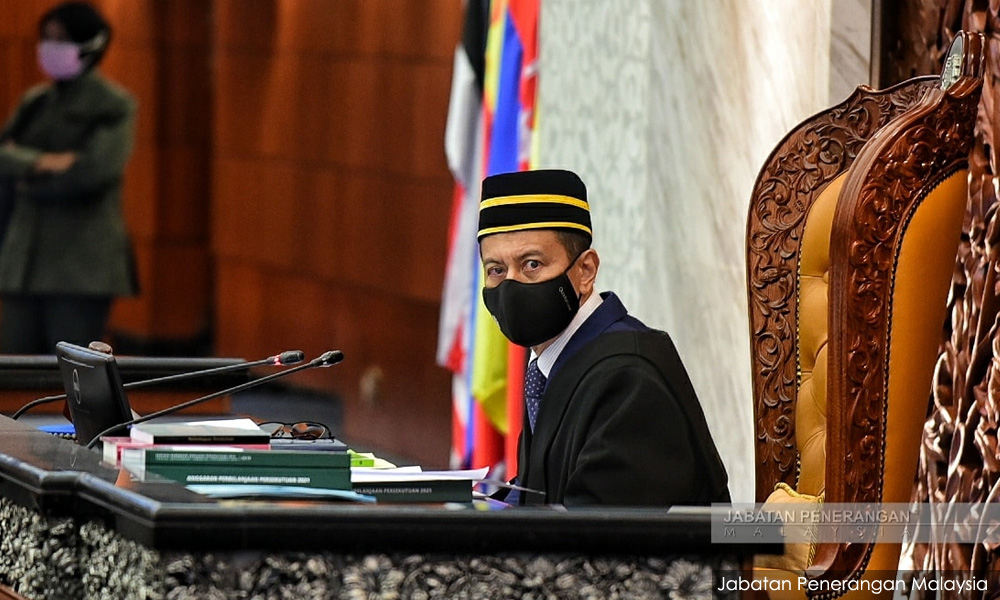
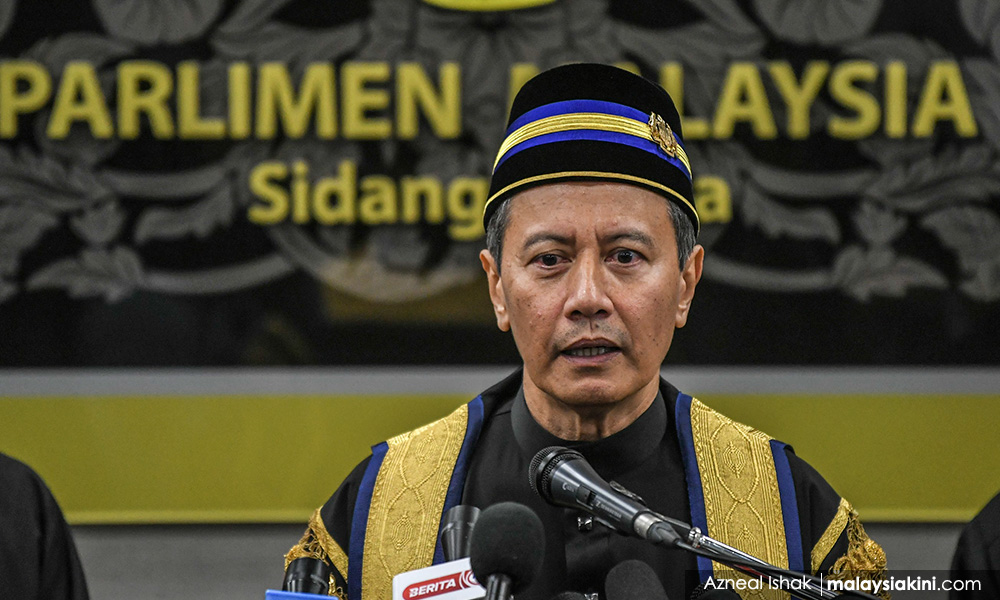
That aside, I am more appalled by how Parliament was conducted. Below, I highlight some of the failings which happened in the last Parliament session. Parliament has, in my opinion, regressed tremendously under the PN government and the new speaker, Azhar Azizan Harun.
1. Arbitrary shortening of Parliament sitting
On the first day of the sitting, MPs were told that they would only convene until 1pm as a precaution against Covid-19. The government and speaker insisted this was necessary on the advice of the Health Ministry. This was later amended to 2pm, and only 80 MPs were allowed to be in the hall at a given time.
In effect, many MPs were denied sufficient time to speak, not just during the budget debate, but also during the questions for oral answers. This has weakened the role of Parliament as a mechanism to scrutinise the government’s policies and actions.
However, I find it strange that the government and speaker had no issues in extending the parliamentary sitting to a much later time when they needed to. On some days, the sitting was extended to 5pm to enable the vote for the budget at the committee stage...
MP SPEAKS | The Dewan Rakyat has concluded its final session for the year, during which all eyes were on Budget 2021 and the instability of the Perikatan Nasional (PN) government. To the disappointment of many, Budget 2021 was eventually passed, and the unelected PN government continues to be in power.
That aside, I am more appalled by how Parliament was conducted. Below, I highlight some of the failings which happened in the last Parliament session. Parliament has, in my opinion, regressed tremendously under the PN government and the new speaker, Azhar Azizan Harun.
1. Arbitrary shortening of Parliament sitting
On the first day of the sitting, MPs were told that they would only convene until 1pm as a precaution against Covid-19. The government and speaker insisted this was necessary on the advice of the Health Ministry. This was later amended to 2pm, and only 80 MPs were allowed to be in the hall at a given time.
In effect, many MPs were denied sufficient time to speak, not just during the budget debate, but also during the questions for oral answers. This has weakened the role of Parliament as a mechanism to scrutinise the government’s policies and actions.
However, I find it strange that the government and speaker had no issues in extending the parliamentary sitting to a much later time when they needed to. On some days, the sitting was extended to 5pm to enable the vote for the budget at the committee stage.
Many MPs suggested for the session be extended several more days to compensate for the time lost. Some repeatedly asked to explore virtual sittings. These suggestions were ignored.
2. Double standard SOP
The speaker has repeatedly emphasised the need to follow strictly Covid-related SOPs. MPs were required to undergo a Covid-19 test every two weeks. Those from Sabah and Sarawak had to undergo two weeks of quarantine and were advised to not return to their constituencies during the whole Parliament session.
Yet, we were shocked when Keningau MP Jeffrey Kitingan was allowed to enter the Dewan Rakyat without completing his 14-days quarantine upon arriving from Sabah.
Three MPs, including two ministers, were also allowed to enter the Dewan Rakyat, wearing full personal protective equipment (PPE), to vote although they were supposed to be under home quarantine after being in close contact with Covid-19 positive individuals.
It appears, again, that there are many exceptions to the rules and the speaker has no qualms to facilitate such exceptions. This exposes not just MPs but also the officers in Parliament to unnecessary risks.
3. The middle-finger incident
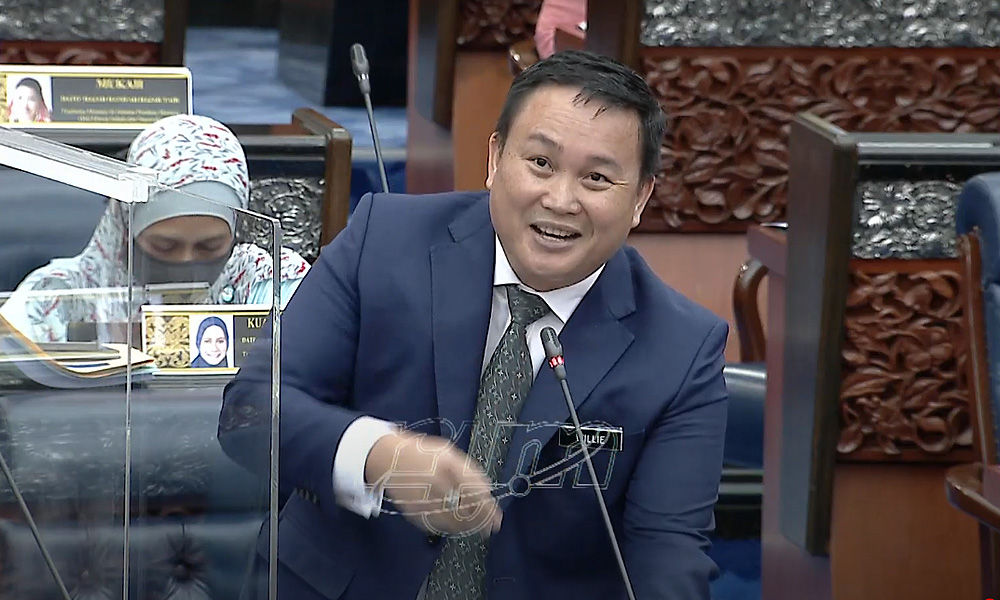
Puncak Borneo MP and Deputy Minister of Plantation Industries and Commodities Willie Mongin created a record for the most unparliamentary behaviour in Malaysian history for showing his middle finger, not once but twice, towards MPs in the Dewan Rakyat.
Such an act is not only rude and obscene. It is also a major disrespect and insult towards the integrity of Parliament.
Yet, the speaker has refused to act against it, claiming that he did not witness the act and could not ascertain it from the video footage.
The gesture was witnessed by numerous MPs and was caught on video. I have led 23 MPs to submit a witness testimony to the speaker on this incident. We have also urged him to review other CCTV footage from the hall and to summon other MPs from the government bench who witnessed the incident for testimony.
4. Ministers dodging questions
Under the standing order, MPs are allowed to submit questions to ministers. I submitted a question to the Finance Minister to ask him to state the number and total cost of projects awarded through direct tender under the PN and BN administrations.
After all, the minister had no problems disclosing the full list of direct tender projects under the Pakatan Harapan government, although 95 percent of those projects were actually inherited by Harapan from the BN administration.
The minister provided an “answer” which did not respond to what I asked. Instead, he gave a lengthy explanation of the government’s guidelines for direct tender.
Indeed, this is a common tactic used by ministers to avoid answering questions put forth by MPs, especially questions which may put them in a bad light.
I have written to the speaker to complain about this issue. I requested him to make a ruling on whether or not the answer provided by the minister was done in bad faith to avoid answering the question.
The speaker replied stating that he does not have the mandate and discretion to ask the minister to amend the answer, although this was not my point of contention.
I have expressed my utmost objection to the speaker’s reluctance to address this problem. His reluctance to take action means he is complicit in protecting the minister against Parliament’s scrutiny.
5. Phantom voting
During the bloc vote for the Finance Ministry’s budget at the committee stage, Tasek Gelugor MP Shabudin Yahya allegedly made a mistake by counting Padang Rengas MP Nazri Aziz as being in favour of the budget although the latter was absent.
Such a mistake should never have happened. Under the standing order, each vote teller must ask each MP separately with regards to how he or she desires to vote. It is clear that the Tasek Gelugor MP did not adhere to this standing order and, instead, took the liberty to vote on behalf of the Padang Rengas MP.
Yet again, the Speaker refused to take action against this violation. In accepting the baseless excuse that it was a “mistake”, the speaker has failed to uphold the integrity and to send a strong message that any misrepresentation would not be tolerated.
6. Condoning bullying in Parliament
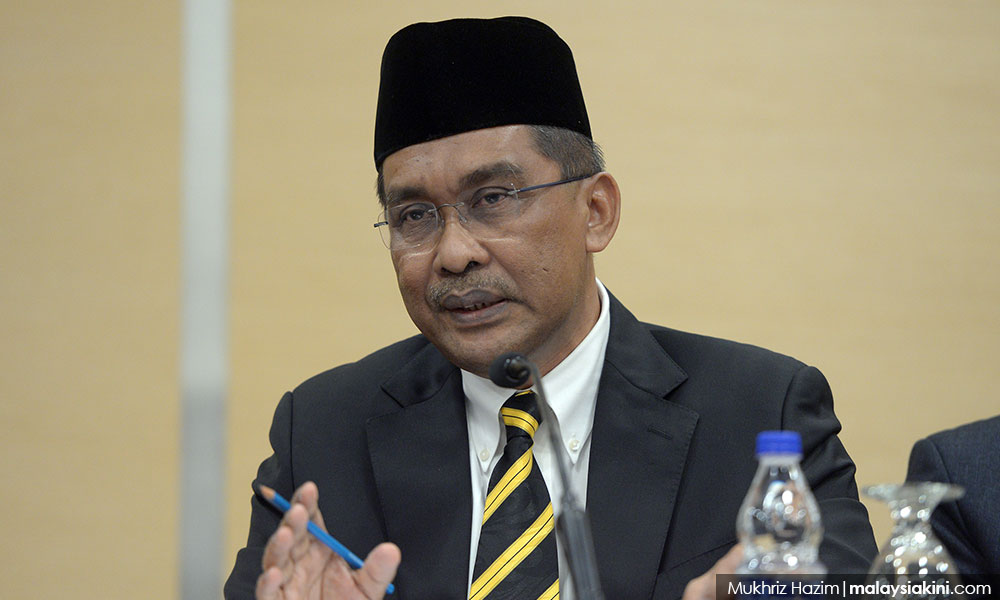
My colleagues protested to the speaker when Pasir Salak MP Tajuddin Abdul Rahman called Muar MP Syed Saddiq Abdul Rahman a “budak” (child) during the budget debate. The speaker ruled that the remark was merely a joke.
In making such a ruling, the speaker has explicitly condoned name-calling and bullying in Parliament. Does it mean that it is now possible for MPs to refer to their colleagues with derogatory terms in the House and justify it as a joke?
In any other professional setting, such behaviour would have been unacceptable. Yet, the speaker has allowed Parliament to set a bad example to the public.
7. Allowing misinformation
Bintulu MP Tiong King Sing claimed during his debate that because Health Ministry director-general Noor Hisham Abdullah "feared for his life", he did not go down to the ground in Sabah during the Covid-19 outbreak in the state.
His statement was not only disrespectful to the Health DG but also towards the thousands of front-liners who have been working tirelessly to contain the virus.
More importantly, the statement by the Bintulu MP was false. The Health DG has clarified that he and his team did visit Sabah during the outbreak.
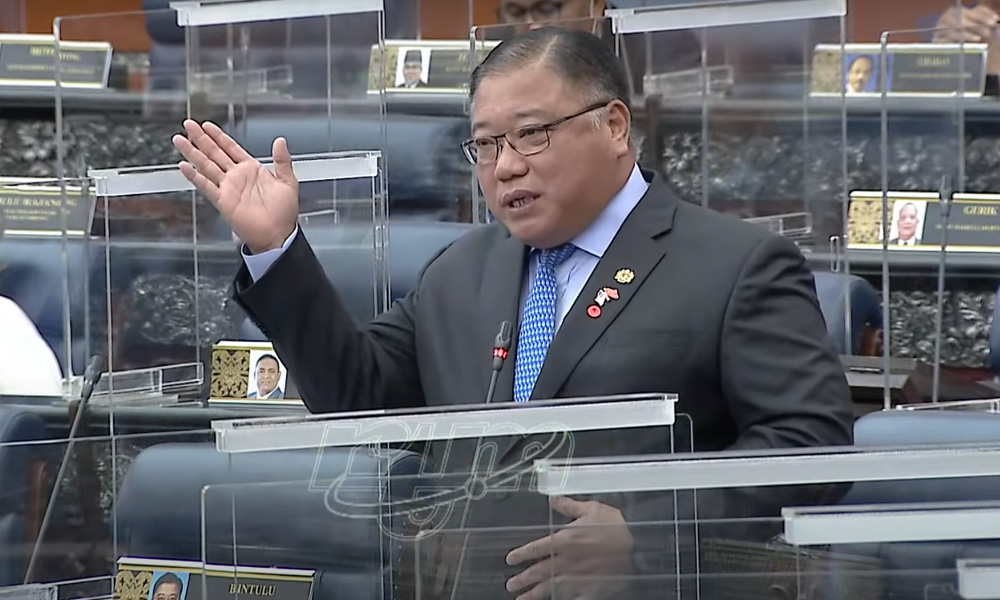
MPs have called for the Bintulu MP to officially retract the statement and apologise in the Dewan Rakyat, because misleading the House with a false accusation is against the standing order. However, he refused to do so.
The speaker also rejected a motion to refer the Bintulu MP to the Rights and Privileges Committee on “technical grounds”, claiming that he cannot review decisions made by the deputy speaker.
8. Unnecessary Revamp of Special Select Committee
Under the leadership of the former speaker Mohamad Ariff Md Yusof, Parliament set up 10 special select committees to bolster the role and effectiveness of Parliament. The PN government and new speaker decided to abolish these special select committees and set up nine new ones.
I have written a letter to the speaker, in his capacity as the chairperson of the House committee, seeking clarification on the rationale to abolish the existing select committees.
In my view, Parliament need not do so although the government has changed. Parliament and the executive are separate entities under the Constitution and, therefore, should be allowed to function independently.
Additionally, the abolishment and re-establishment of the new committees have wasted a lot of time. No special select committees were able to function at all this year. The new government and speaker should have instead focused on strengthening the existing select committees.
In his reply to my letter, the speaker did not respond to any of the concerns I raised and insisted on the new special select committees to proceed.
All in all, I am deeply disappointed by the manner in which Parliament was conducted in the last session. At the centre of it all is a Speaker who has refused to take action against the various issues raised in Parliament, including those that I’ve highlighted above.
Parliament needs to be more assertive for it to function effectively, and for the people to have confidence in our political process. I hope more parliamentary reforms will take place in 2021.
KHOO POAY TIONG is the Kota Melaka MP.
The views expressed here are those of the author/contributor and do not necessarily represent the views of Malaysiakini.