




COMMENT | Holding power to account on custodial deaths
COMMENT | Last week, the police started investigating the Freedom Film Network (FFN), its co-founder Anna Har, and cartoonist Amin Landak over the premiere of a short film in mid-June as part of the Freedom Film Festival.
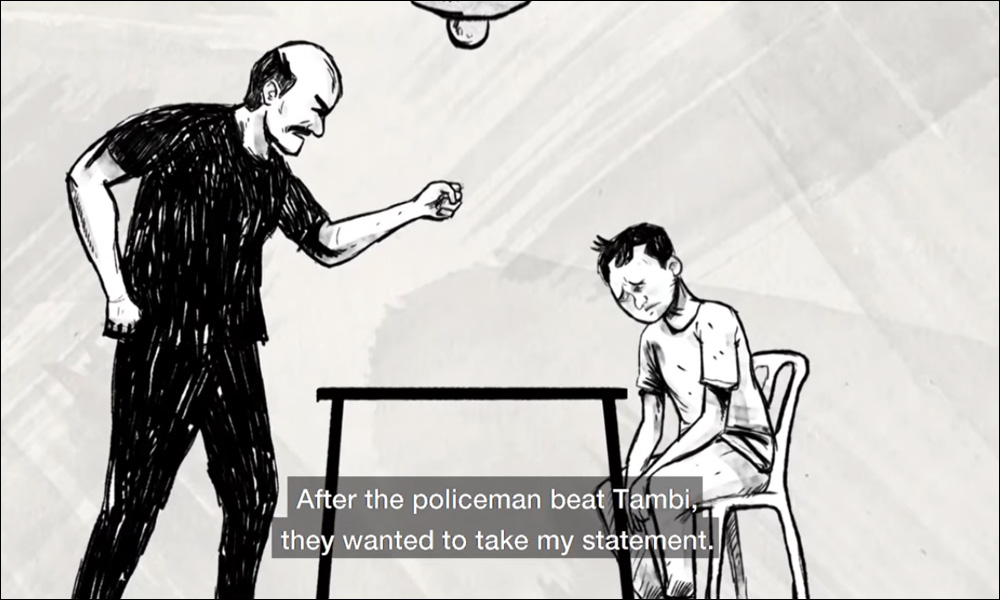
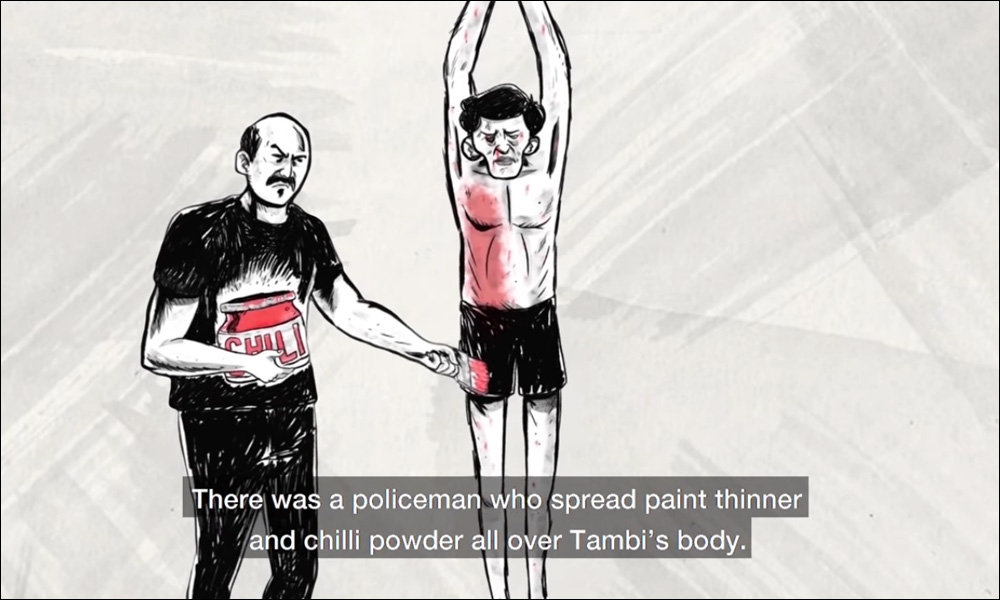
The film, titled Chilli powder and Thinner, portrays an animated recollection of a person’s dark experience while being held under police custody.
Just this week, police have also started investigating activists from Suara Rakyat Malaysia (Suaram) and Misi Solidariti, two non-governmental organisations (NGOs), in relation to this film. The story from the film was based on a case that was handled by Suaram.
The purpose of the film was to highlight the growing problem of police custodial deaths in Malaysia that has seen a sudden surge in the last few months with five new cases.
In many mature democracies, the media (and NGOs or social movements) need to be given affordances to engage in issues of the public interest. The issue of custodial deaths in Malaysia has become alarming in recent months, with some cases happening days apart.
Numerous NGOs such as Suaram and Amnesty International have been monitoring the situation and have produced several reports to highlight that these deaths are often under suspicious circumstances under the watch of authorities...
COMMENT | Last week, the police started investigating the Freedom Film Network (FFN), its co-founder Anna Har, and cartoonist Amin Landak over the premiere of a short film in mid-June as part of the Freedom Film Festival.
The film, titled Chilli powder and Thinner, portrays an animated recollection of a person’s dark experience while being held under police custody.
Just this week, police have also started investigating activists from Suara Rakyat Malaysia (Suaram) and Misi Solidariti, two non-governmental organisations (NGOs), in relation to this film. The story from the film was based on a case that was handled by Suaram.
The purpose of the film was to highlight the growing problem of police custodial deaths in Malaysia that has seen a sudden surge in the last few months with five new cases.
In many mature democracies, the media (and NGOs or social movements) need to be given affordances to engage in issues of the public interest. The issue of custodial deaths in Malaysia has become alarming in recent months, with some cases happening days apart.
Numerous NGOs such as Suaram and Amnesty International have been monitoring the situation and have produced several reports to highlight that these deaths are often under suspicious circumstances under the watch of authorities.
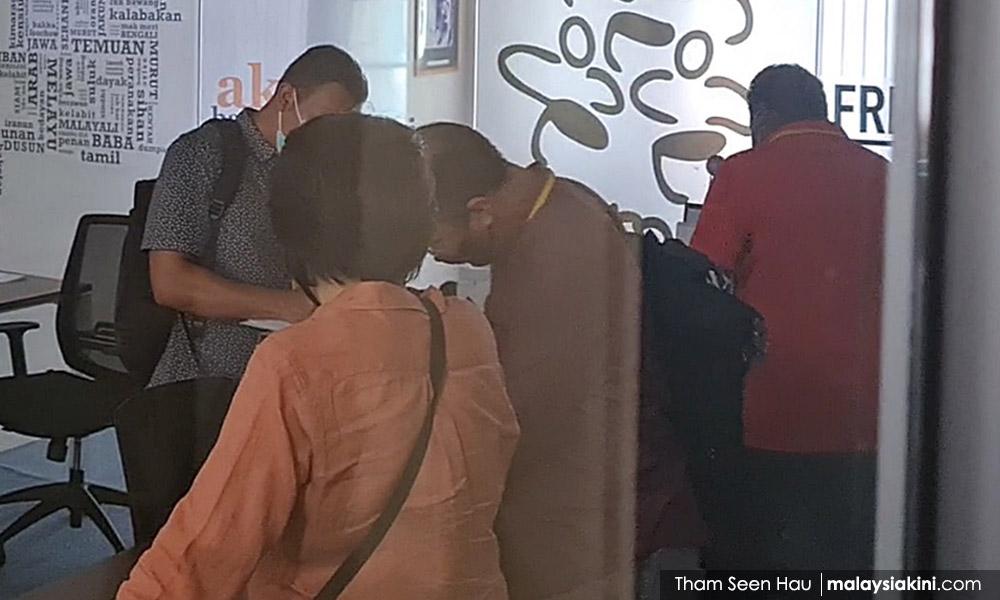
Anna and Amin are being investigated under Section 233 of the Communications and Multimedia Act (CMA) and Sections 500 and 505B under the Penal Code. They are essentially charged with defamation and inciting against public tranquillity using online media. The police have also raided the FFN office and Amin’s home where they confiscated their computers and mobile devices.
Both these laws have been criticised as severe threats to freedom of expression, especially with regards to the “fourth/fifth power” functions of the media and civil societies.
Three branches
In any state, there are three main branches of government: the executive, legislative, and judiciary. Each has its own respective roles to play in the governance of a nation with a clearly defined separation of powers.
As Malaysia is under the parliamentary system, our executive power (the prime minister and the cabinet) comes from the legislative (Parliament) and the judiciary stands somewhat on its own.
Ideally, each of these powers would be completely separate to hold each other accountable. This is to ensure they perform their respective functions objectively, with minimal interference, and focused on the public interest.
But as these three powers form the government, they all have a duty to serve and protect the government and as such another power is required to hold the government as a whole accountable.
This is where the fourth power comes, which refers to the entire field of journalism, whose role is to represent the public interest by highlighting issues that are important for the public and to enable public engagement with important political issues.
More recently, social movements have emerged to become a new fifth power that is even more democratic as it is made up of citizens who organise collective action through the power of digital media.
Thus, in order for the media and civil societies to be able to hold governments accountable, the law needs to allow space for these organisations to do the necessary and keep authorities in check. This includes being able to investigate government wrongdoing, abuse of power, the misuse of public funds, and corruption.
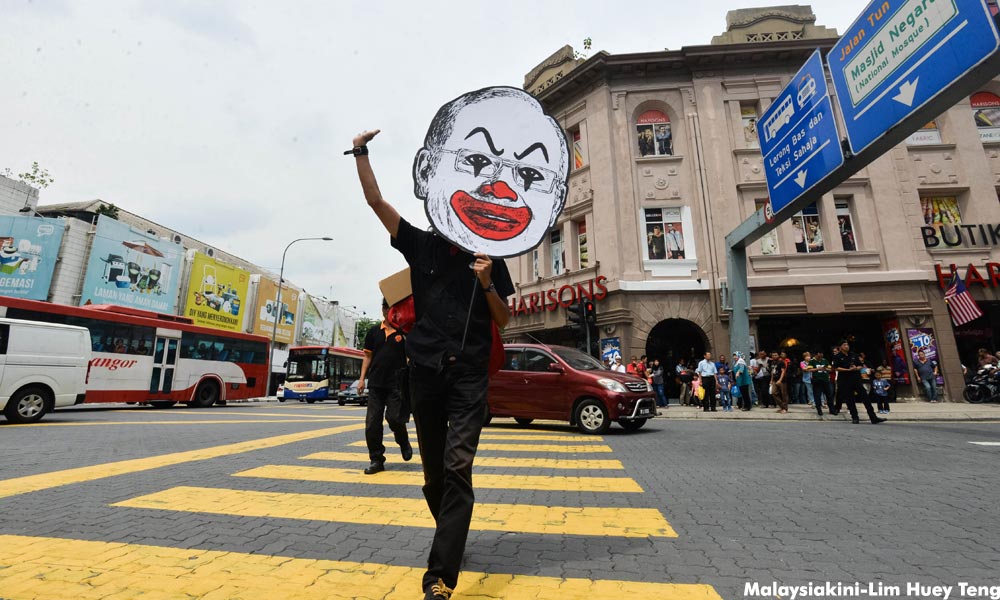
Laws that allow the government and other state apparatus to punish or suppress any independent evaluation, investigation or checks onto state activities greatly hinder this goal.
Certain laws that allow governments to interpret any action taken against them without independent or objective review are often abused by authoritarian governments to take punitive action against non-governmental bodies (with a recent example of Malaysiakini’s contempt of court decision).
Laws such as defamation, sedition, anti-fake news, are many examples that are prone to such abuse.
Independent investigators
In this particular case, Amin is being charged for producing the film with Anna and FFN for providing a platform to distribute it (At the time of writing, the charges for four other activists were not revealed yet).
While the subject matter of the film can be perceived to erode public faith with local authorities, that is entirely a function of NGOs and the media. By highlighting these injustices, it brings them to the public eye which raises questions that need to be addressed by authorities.
Authorities should be addressing the issues raised directly rather than punitively engage and punish the creators behind them.
In order to avoid calls of conflict of interest, an independent inquest should be conducted before any charges are made. This would restore public interest that the authorities are being transparent over these charges and are serious in addressing them to reassure the public over these concerns.
Ironically, the film’s closing reiterates the need for the Independent Police Complaints of Misconduct Commission (IPCMC) that was mooted in 2019 that would serve as an independent body to monitor police activities and ensure that unexplained custodial deaths become a thing of the past.
If there was indeed an IPCMC established, they would be the ones to determine if the film was defamatory and not in the public interest and not the police themselves.
While activists like Anna and Amin continue to hold those in power accountable and put themselves at risk of punishment from authorities, it is our collective responsibility to pressure authorities to adopt these changes.
While these changes may not eliminate government oppression, they would at least force them to respect dissenting voices and open proper channels for public discourse, a huge step from where we are now.
BENJAMIN LOH YEW HOONG is a senior lecturer at the School of Media and Communication at Taylor’s University.
The views expressed here are those of the author/contributor and do not necessarily represent the views of Malaysiakini.


Report this comment
Are you sure you want to delete this comment?
This action cannot be undone.