
COMMENT | Country needs urgent law reform
COMMENT | A view that unites the many Malaysians who are unhappy with our countless archaic and oppressive laws is that urgent reform must be undertaken by the executive and legislative branches of government to repeal them.
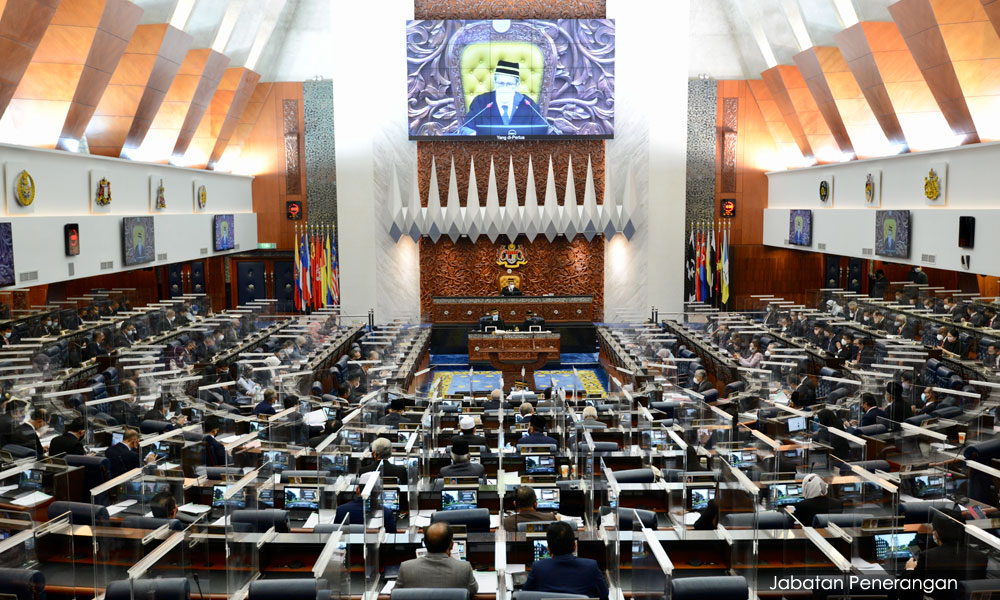
The cabinet is entrusted with the constitutional duty of drafting and presenting bills to Parliament, which is in turn responsible for passing these bills to become acts of Parliament.
Some of these laws are incredibly antiquated: the Official Secrets Act 1911 of England comes to mind as the model for our own version, as does the Sedition Ordinance introduced by the colonial power after the Second World War. Hence, bad laws have a long history, often pre-dating Merdeka. The trend continued for decades thereafter.
When Pakatan Harapan formed the first non-Umno coalition government...
COMMENT | A view that unites the many Malaysians who are unhappy with our countless archaic and oppressive laws is that urgent reform must be undertaken by the executive and legislative branches of government to repeal them.
The cabinet is entrusted with the constitutional duty of drafting and presenting bills to Parliament, which is in turn responsible for passing these bills to become acts of Parliament.
Some of these laws are incredibly antiquated: the Official Secrets Act 1911 of England comes to mind as the model for our own version, as does the Sedition Ordinance introduced by the colonial power after the Second World War. Hence, bad laws have a long history, often pre-dating Merdeka. The trend continued for decades thereafter.
When Pakatan Harapan formed the first non-Umno coalition government in May 2018, it inherited a long list of statutes that needed culling. Constitutional reform was also pressing.
For a variety of reasons, the Harapan track record on repealing bad laws and enacting good laws was unimpressive. In any event, they were in power for just 22 months and at least made a start on the journey to law reform.
The Muhyiddin Yassin administration unfortunately did not pursue law reform. In its defence, they were entirely consumed with the wholly unprecedented Covid-19 pandemic. Declaring an emergency and ensuring Parliament did not sit for months was not the ideal recipe for law reform.
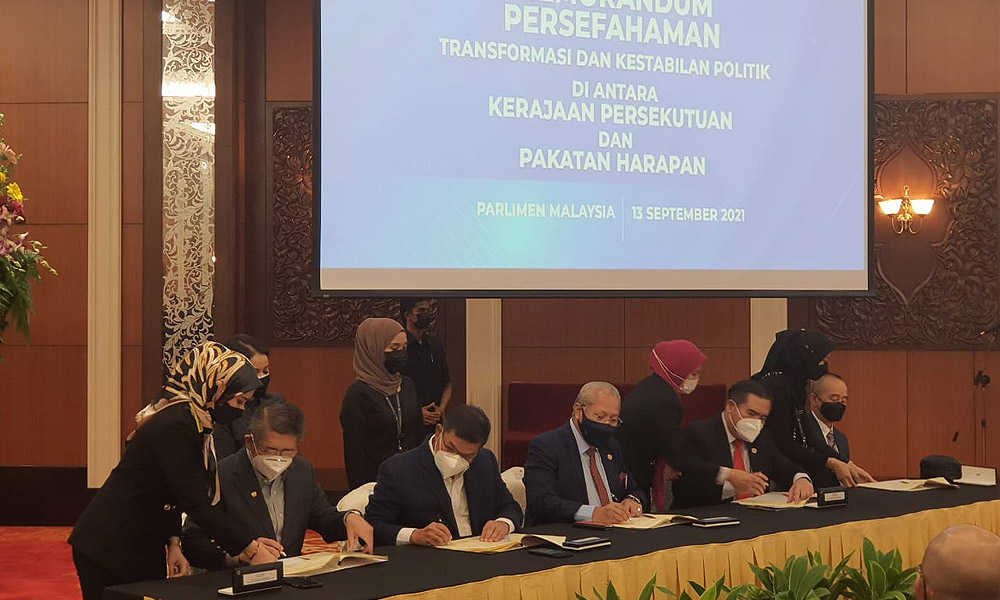
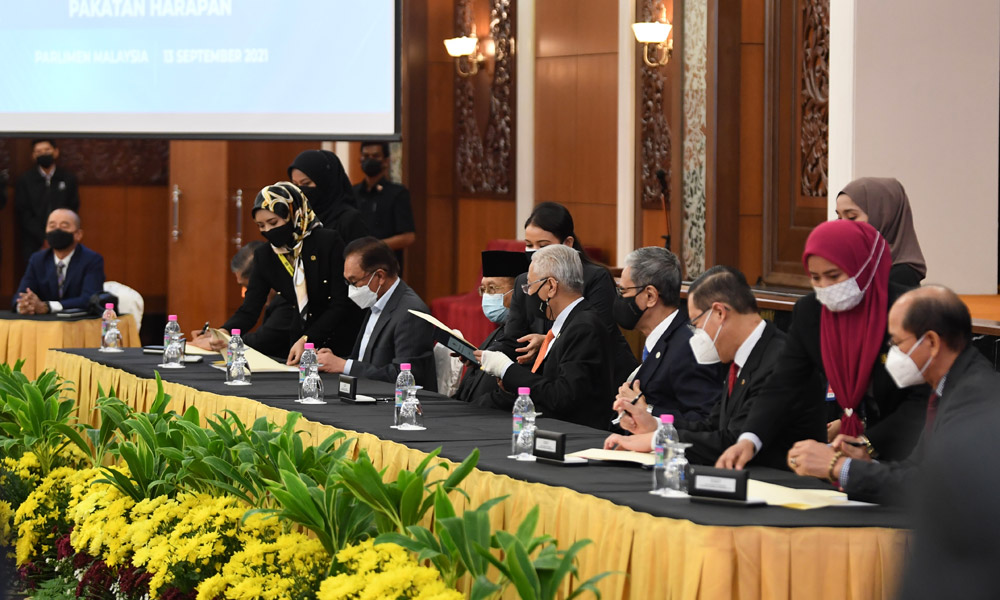
Hence, the recent announcement by the newly formed Ismail Sabri Yaakob administration to undertake some law reform, in conjunction with the opposition, is welcome news.
Purists may complain, but I am happy if even one oppressive law is removed, and one good new law is enacted. Politics is the art of the possible, and we should be grateful for small mercies which could represent the beginning of a long journey to a better Malaysia.
Small, incremental steps in the evolution of law reform deserve our support. Admittedly, a holistic approach is preferable, but with general elections due in less than two years, gradualism should not be criticised.
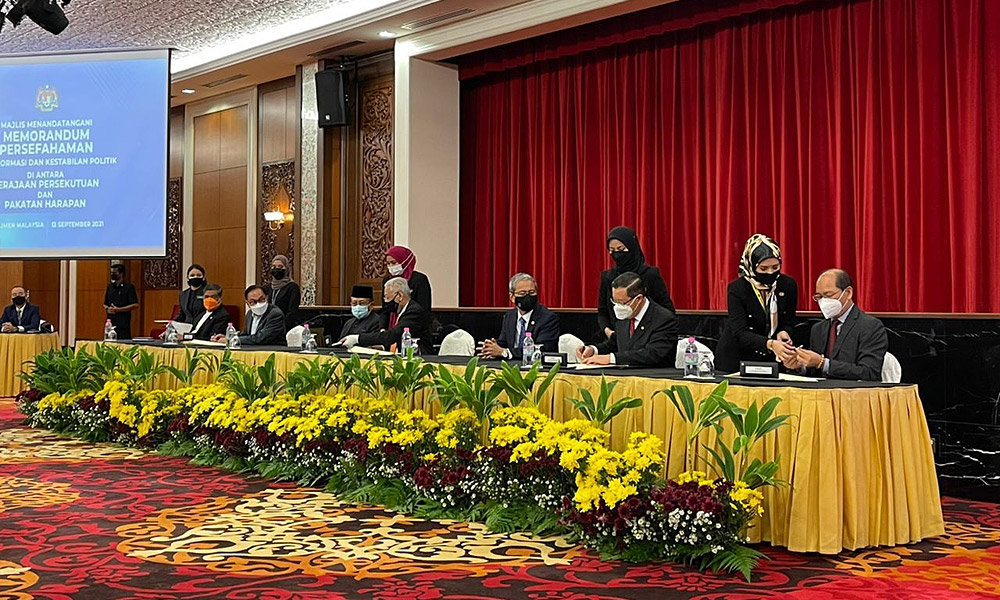
I am looking forward to seeing the proposed list of acts of Parliament which require immediate repeal, amendment or enactment when such an agreement is reached between the government and the opposition. Securing a simple majority of the Dewan Rakyat should not be a hurdle.
Constitutional reform
Three measures immediately come to mind. First, the introduction of a law which limits the maximum period of service for a prime minister to two terms (and thus a maximum of 10 years) should be revisited.
As Malaysians would recall, the Harapan government had presented such a bill in December 2019, but the Muhyiddin government withdrew it in August 2020. Reviving it will pose no practical problem. This bill would require a constitutional amendment, that is, a two-thirds majority of those present and voting in the Dewan Rakyat.
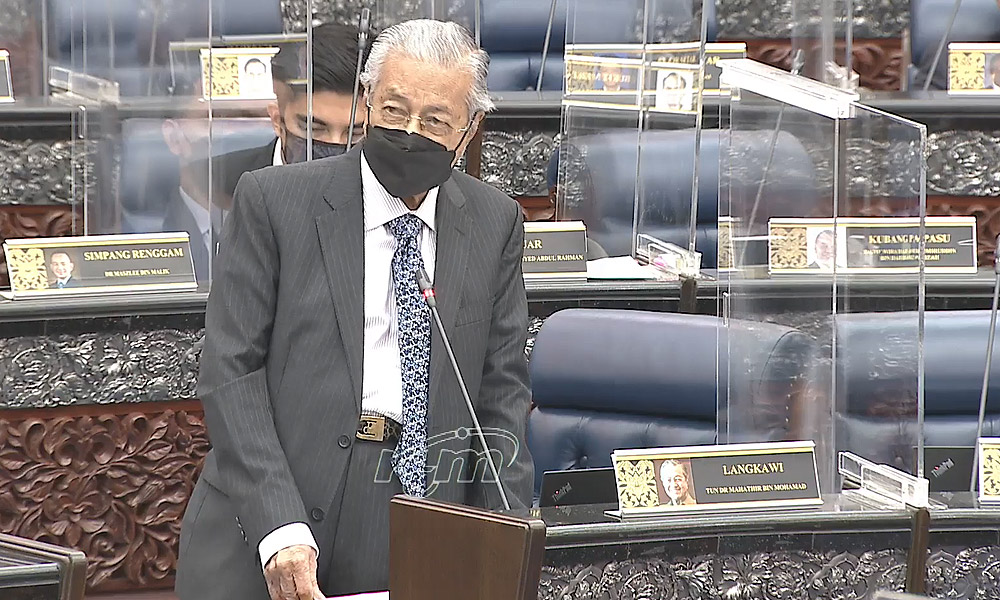
Secondly, a law to deal with defections and party-hopping must be introduced. Anyone who was reluctant to expressly legislate against this vile practice (I was in that category) would have changed their mind after the Sheraton Move, the resignation of Dr Mahathir Mohamad as prime minister and the appointment of Muhyiddin as prime minister.
All these consequences were directly caused by party-hopping; contrary to the will of the electorate. The consequences were dire. The evils of such blatantly unprincipled and unscrupulous conduct must be stopped. Hence, the Federal Constitution must be amended urgently so that the cancer does not re-emerge after GE15.
Thirdly, a law to clarify the process for appointing a prime minister is necessary. Ours is a constitutional monarchy in a parliamentary democracy, governed under a constitution that is supreme. Malaysia’s system is similar to scores of parliamentary democracies, whether in the Commonwealth following the Westminister model or elsewhere across the globe.
The United Kingdom and Australia belong to the first category; Germany and Japan in the second. All require a prime minister to continuously enjoy the confidence of the majority of the elected House of Parliament, and all adopt the system whereby securing or losing such confidence is solely determined on the floor of that House.
From Merdeka to GE14, a period spanning six decades, this formula was adhered to with great success and stability. Admittedly, the task was made easy because in each case there was only one candidate who had already been elected by the coalition of parties that was successful at the general elections.
However, in the space of just one-and-a-half years, from February 2020 to September 2021, the appointment of two prime ministers has occurred in controversial circumstances where their level of support was uncertain, ambiguous, fluctuating and never tested on the floor of the Dewan Rakyat.
The ensuing instability was wholly foreseeable. If a prime minister is appointed without majority support, theirs will be an unstable administration. Any prime minister who is sure of their majority will have no hesitation in testing their support.
A prime minister who refuses to be tested is one who is concerned about a loss. Additionally, the legitimacy of any prime minister in a parliamentary democracy who refuses to face a confidence motion is questionable.
Accordingly, it is critical that a constitutional amendment to clarify the process for appointing and dismissing a prime minister be urgently undertaken. Bipartisan support is required and ought to be forthcoming.
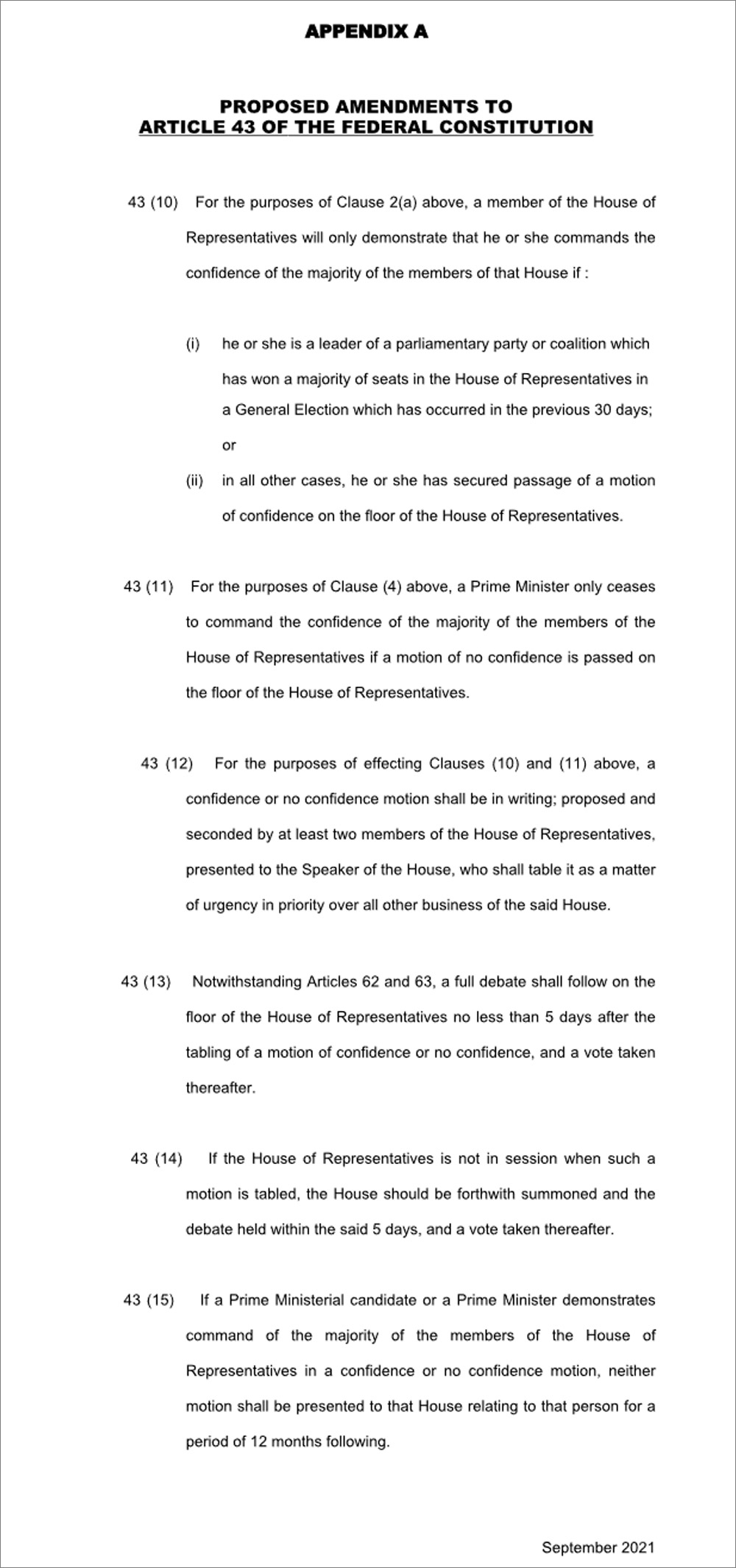
In order to commence a dialogue on the feasibility of such a constitutional provision, I have taken the liberty of drafting one, annexed as Appendix A (below). The intention is for these six new clauses to be incorporated as part of Article 43 of the Federal Constitution.
Clauses 2(a) and (4) of that Article presently deal with these matters. The objective is to clarify the position. I have merely put in express terms a well-established convention across the parliamentary world.
A public debate is hoped for; followed by acceptance by members of Parliament.
TOMMY THOMAS is former attorney-general.
The views expressed here are those of the author/contributor and do not necessarily represent the views of Malaysiakini.