



COMMENT | Let's support M'sia in seeking spot on UN Human Rights Council
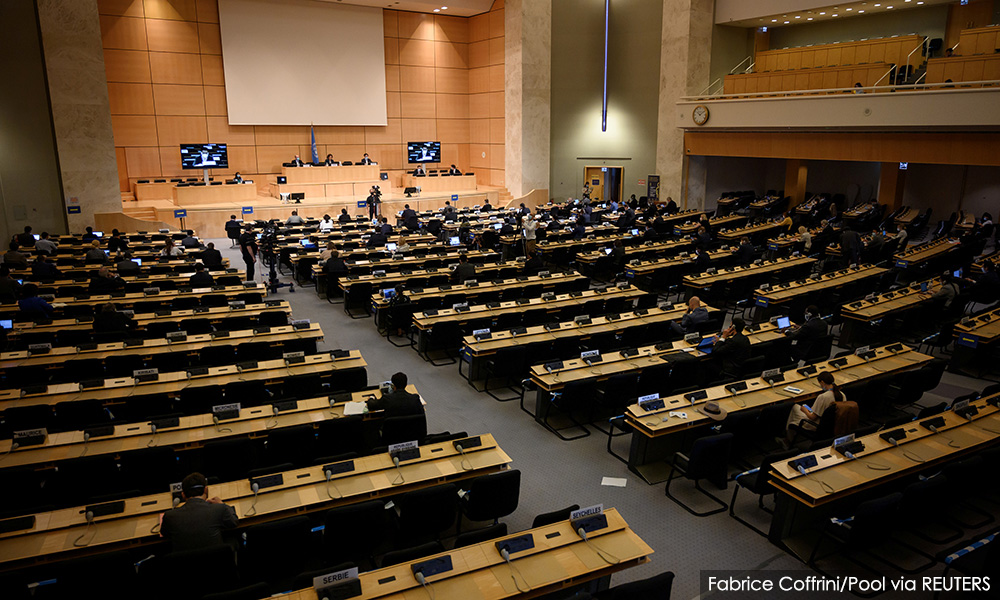
COMMENT | Malaysia is running for a spot in the United Nations Human Rights Council for the 2022-2024 term.
The UN Human Rights Council is an intergovernmental body within the UN system established in 2006 which is responsible for strengthening the promotion and protection of human rights across the globe.
Its mission is also to address situations of human rights violations and formulate recommendations on them. It is a world forum to discuss all human rights issues and situations that require its attention throughout the year.
Human rights focus mainly on the right to live, the right to education or the right to adopt the religion of one's own choice. Over the years, these are the basic tenets of human rights across the world.
However, in several western countries, human rights are extended to enabling same-sex marriages, as well as legalising LGBT (lesbian, gay, bisexual, and transgender).
Notwithstanding, the definition of human rights must also take into consideration several factors including cultural, historical as well as religious factors. A mere conscious is not enough. It has to be documented...
COMMENT | Malaysia is running for a spot in the United Nations Human Rights Council for the 2022-2024 term.
The UN Human Rights Council is an intergovernmental body within the UN system established in 2006 which is responsible for strengthening the promotion and protection of human rights across the globe.
Its mission is also to address situations of human rights violations and formulate recommendations on them. It is a world forum to discuss all human rights issues and situations that require its attention throughout the year.
Human rights focus mainly on the right to live, the right to education or the right to adopt the religion of one's own choice. Over the years, these are the basic tenets of human rights across the world.
However, in several western countries, human rights are extended to enabling same-sex marriages, as well as legalising LGBT (lesbian, gay, bisexual, and transgender).
Notwithstanding, the definition of human rights must also take into consideration several factors including cultural, historical as well as religious factors. A mere consciousness of it is not enough. It has to be documented.
The Universal Declaration of Human Rights (UDHR) is a milestone document in the history of human rights. Rights to justice, equality, safety, security and human dignity - prefiguring UDHR’s Article 3 of the right to life; are among those rights deemed indispensable in Islam.
These are supplemented by further rights such as social solidarity, the right to education and to own property, as well as freedom from slavery (Article 4 of UDHR).
Different perspectives of human rights
I would like to view human rights from a slightly different perspective. Today, human rights shall not be constrained to only several sections as stated above.
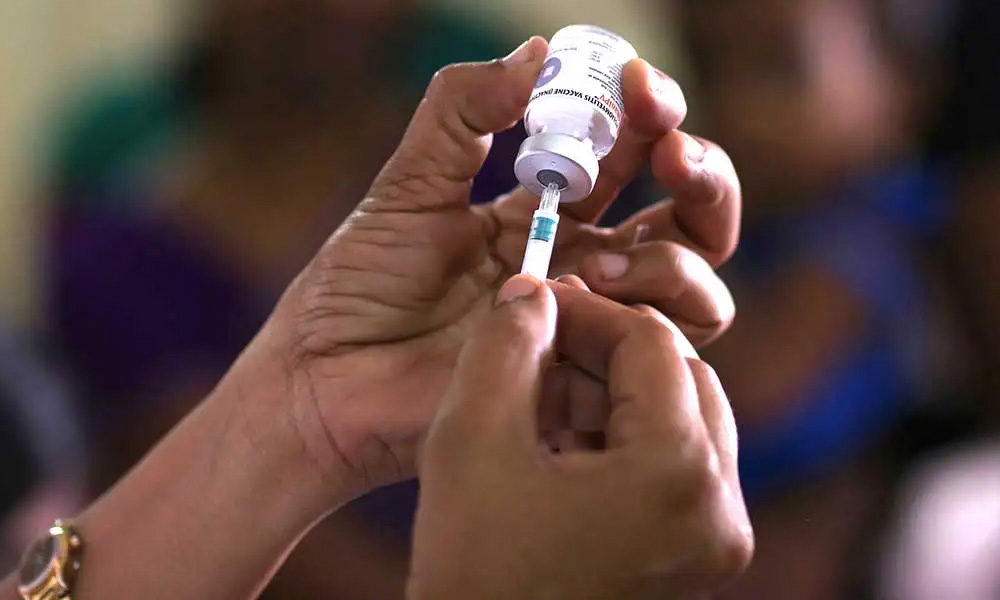
The post-pandemic era must view human rights with a more deliberate and extensive meaning. For example, what about the rights of people to vaccines? Are there enough vaccine supplies for all especially those who live in third world countries?
Article 25(1) of the UDHR states that: “Everyone has the right to a standard of living adequate for the health and well-being of himself and of his family, including food, clothing, housing, medical care and necessary social services, and the right to security in the event of unemployment, sickness, disability, widowhood, old age or other lack of livelihood in circumstances beyond his control.”
The world owes a huge duty to ensure that all people living in this world are entitled to the Covid-19 vaccine. There are still countries that have yet to receive their vaccine supplies at the time of writing. In this regard, Malaysia has played a huge role in assisting other countries in getting their vaccines.
In April, Malaysia donated 50,000 doses of Covid-19 vaccines to Bosnia and Herzegovina. Malaysia is also privileged to have been receiving millions of doses of vaccines from other countries as well.
The government has spent more than RM5 billion in order to ensure its people get vaccinated. We are among the top countries in the world with a high vaccination rate per day, and almost reaching 90 percent of fully vaccinated adults in the country.
Taking into account the lethal effects of Covid-19, the right to the vaccine should be considered as one of the basic human rights in present days.
The UN, particularly the World Health Organization (WHO) must play its role in ensuring all underprivileged countries get their doses of vaccine as soon as possible. There must be an equal distribution of vaccine supplies.
Taking in refugees
Malaysia is always committed and will continue its efforts in upholding human rights cause. Admittedly, there are several UN Conventions on Human Rights that have yet to be ratified by Malaysia.
However, that does not mean Malaysia is neglecting its inherent duty on human rights. In fact, Malaysia has done more than what is required under international obligations despite the unratified conventions and treaties.
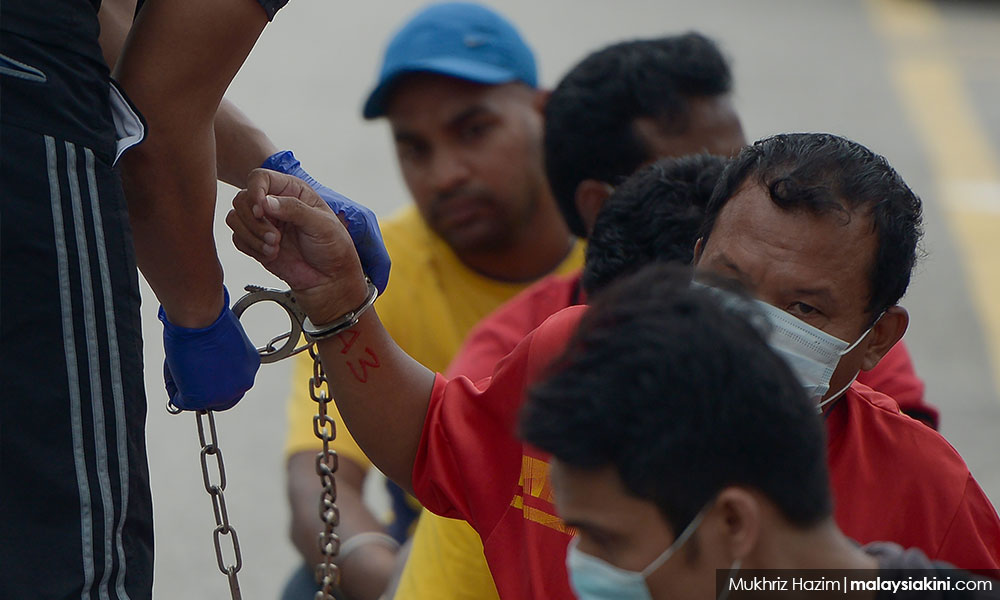
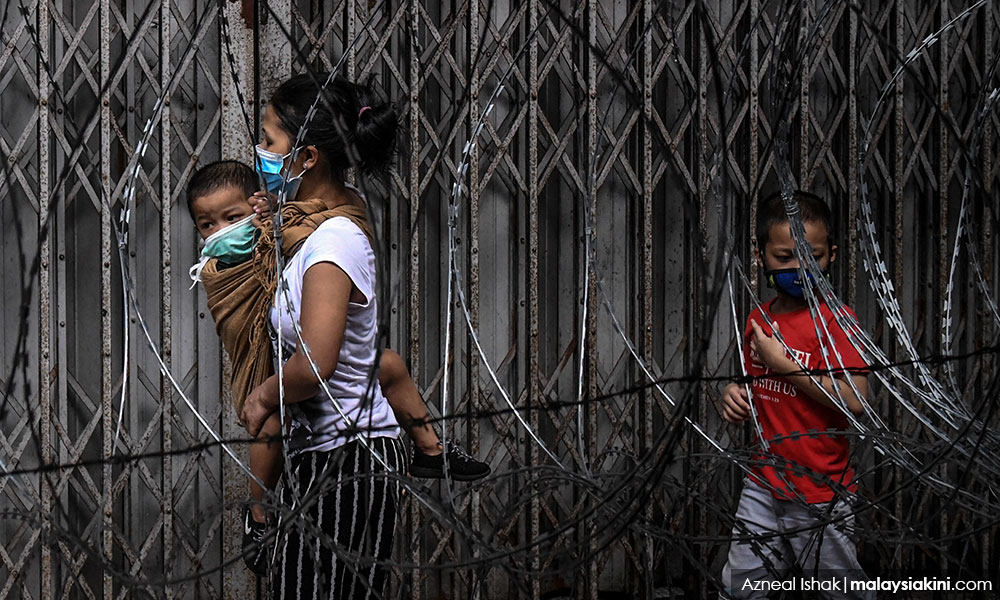
For instance, Malaysia is not a party to the 1951 Refugee Convention nor its protocol and does not have an asylum system regulating the status and rights of refugees. However, Malaysia has contributed immensely to accepting refugees and assisting them in providing sufficient medical care, education and places to live.
In the 1970s, Cham Muslims who escaped from Khmer Rouge atrocities in Cambodia ended up in Malaysia. It was reported that in 2018, Pahang had about 10,000 people from the Champa community with most of them living in Kuantan and Pekan and working as either fisherfolk or farmers.
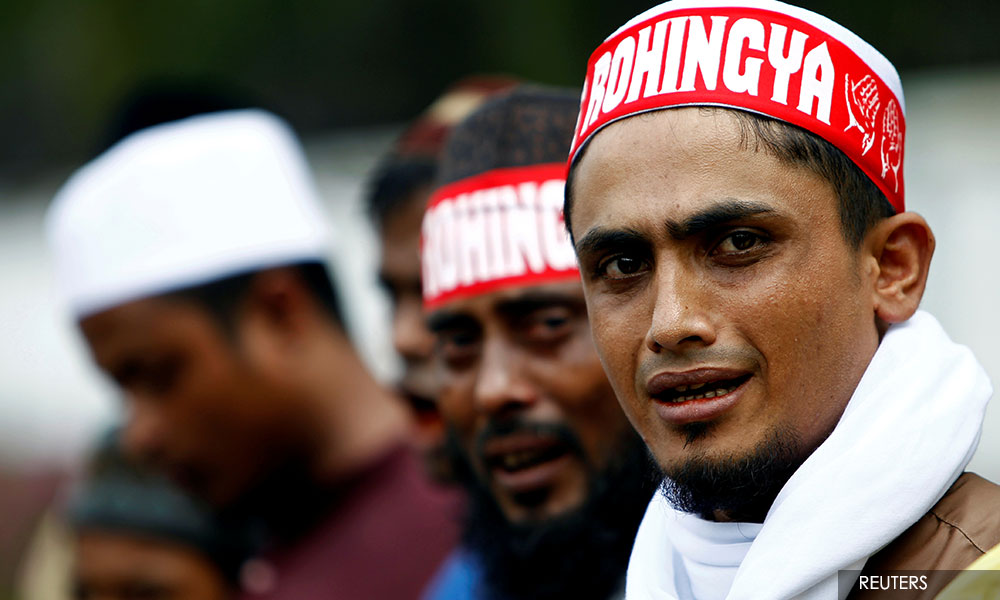
Since a few years ago, Malaysia began accepting thousands of Rohingya refugees to its shore. As of the end of August, there are about 179,390 refugees and asylum-seekers registered with the UN High Commissioner for Refugees (UNHCR) in Malaysia.
About 154,860 are from Myanmar, comprising some 102,990 Rohingyas, 22,470 Chins, and 29,390 other ethnic groups from conflict-affected areas or fleeing persecution in Myanmar.
The remaining individuals are about 24,530 refugees and asylum-seekers from 50 countries fleeing war and persecution, including some 6,620 Pakistanis, 3,690 Yemenis, 3,270 Syrians, 3,200 Somalis, 2,610 Afghans, 1,680 Sri Lankans, 1,200 Iraqis, 760 Palestinians and others. There are about 45,730 children below the age of 18.
Indeed, Malaysia has proven itself as among the world’s best in championing human rights. As Malaysians, we should rise and support our country in its candidacy for the membership of the UN Human Rights Council.
MOHAMAD SIDDIQ AZANI is the secretary-general of Pertubuhan Gerakan Revolusi Anak Malaysia.
The views expressed here are those of the author/contributor and do not necessarily represent the views of Malaysiakini.


Report this comment
Are you sure you want to delete this comment?
This action cannot be undone.