



COMMENT | Climate change is single largest existential threat
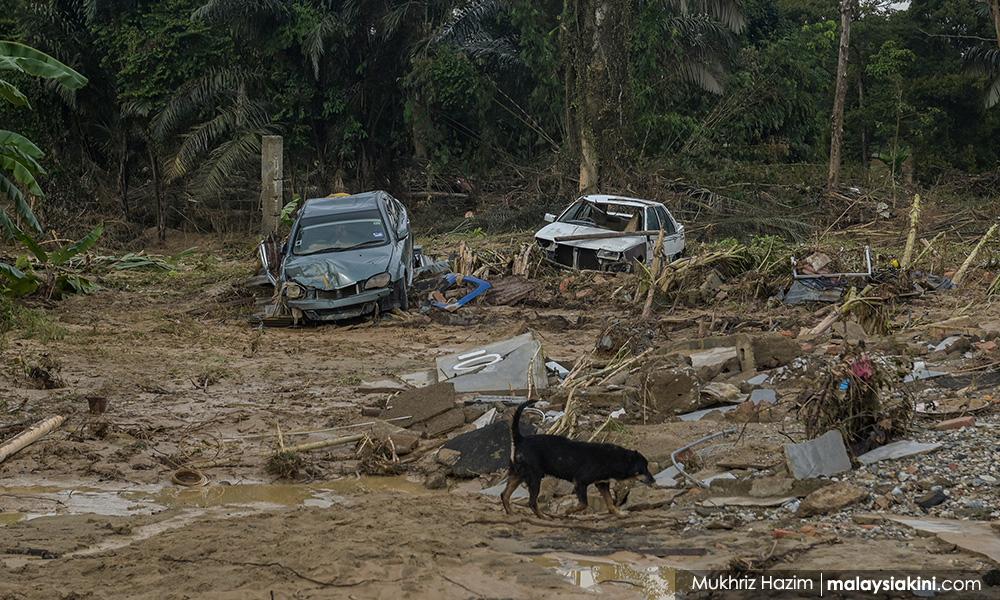
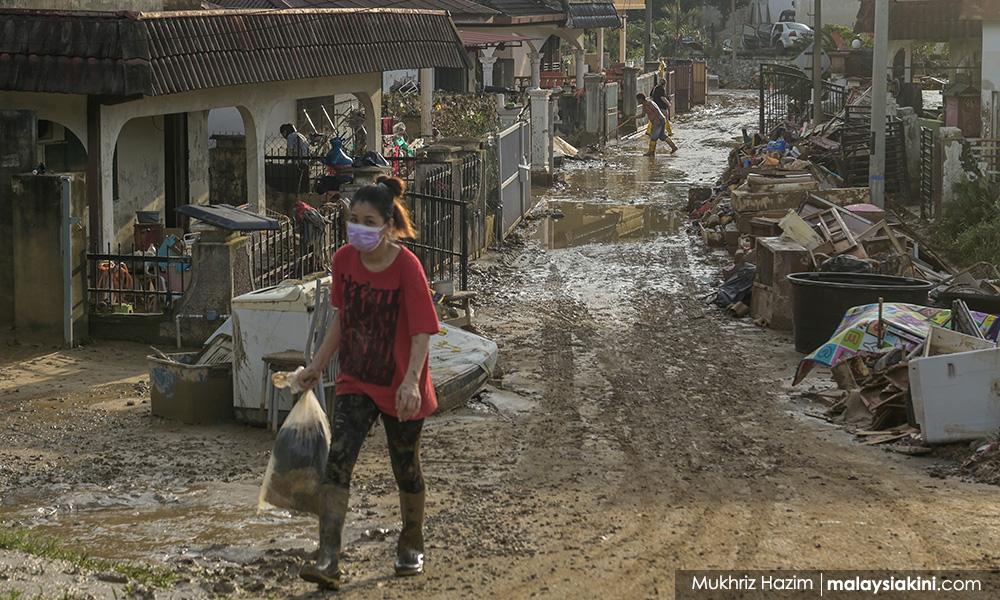
COMMENT | Despite scepticism and denial by certain quarters on the subject, I believe that the recent flooding – a catastrophe said to have not been experienced in the past 50 years – is enough evidence that climate change is the single largest existential threat that the Malays and Muslims might not be that aware of.
Whilst the Malay populace are quick to link floods with deforestation, many do not connect it to a wider framework of discussion, and thus missing out on the few intricate and complex issues pertaining to the subject.
Even if we did, many focus only on its economic aspects and not so much on its specicidal threat. Whereas in reality, it warrants much more urgency and sits within a larger perspective of how we do things.
The more secular West are quite advanced in their apprehension of the problem. The conception of ‘anthropocene epoch’ - a time where collective human activities are significantly impacting the Earth’s geology and ecosystems, which among many results in climate change – by the late 20th century was a demonstration of the extensiveness of studies on the subject.
This insight is actually consistent with the warning by the Quran on the fasad (destruction) that appears on the planet due to corruption caused by our own hands.
Whilst the West used to frame the relationship in the antagonistic ‘man versus nature’ perspective, Islam was readily cognisant of the interdependence between...
COMMENT | Despite scepticism and denial by certain quarters on the subject, I believe that the recent flooding – a catastrophe said to have not been experienced in the past 50 years – is enough evidence that climate change is the single largest existential threat that the Malays and Muslims might not be that aware of.
Whilst the Malay populace are quick to link floods with deforestation, many do not connect it to a wider framework of discussion, and thus missing out on the few intricate and complex issues pertaining to the subject.
Even if we did, many focus only on its economic aspects and not so much on its specicidal threat. Whereas in reality, it warrants much more urgency and sits within a larger perspective of how we do things.
The more secular West are quite advanced in their apprehension of the problem. The conception of ‘anthropocene epoch’ - a time where collective human activities are significantly impacting the Earth’s geology and ecosystems, which among many results in climate change – by the late 20th century was a demonstration of the extensiveness of studies on the subject.
This insight is actually consistent with the warning by the Quran on the fasad (destruction) that appears on the planet due to corruption caused by our own hands.
Whilst the West used to frame the relationship in the antagonistic ‘man versus nature’ perspective, Islam was readily cognisant of the interdependence between man and nature. This trope continued to flood the works of Muslim philosophers then and now.
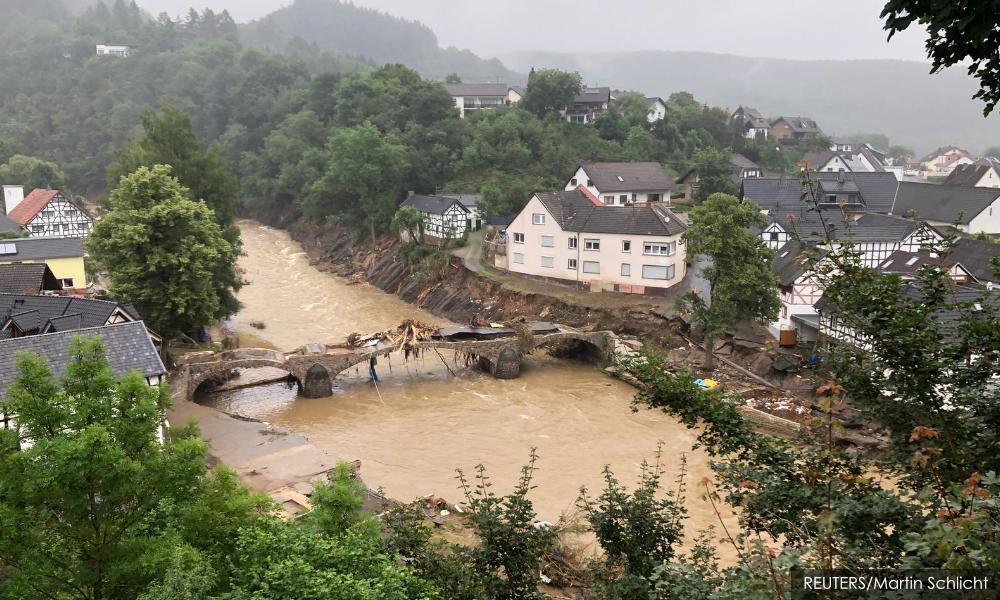
It is, therefore, a regrettable irony that whilst the West managed to develop a keen insight into the signs (ayat) of God, we turned a blind eye towards it. Evidently, such mistakes are of our own making, which might as well be our own undoing.
Worse, this corruption is devised by people who are supposed to be the best of us, those who are privileged to don the mantle of ‘God’s shadow’, chosen by God to be the paragon of ‘khalifah-ship’ - the people with utmost power.
Wealthier countries tend to be more vocal on environmental issues due to higher awareness created by prominent experts and celebrities. However, solutions tend to be narrowly focused on consumerism, where the public are guilt-tripped into dialling their consumption down while businesses and policymakers continue to ravage the planet by encouraging them to do the exact opposite.
While individuals play an important part in restoring balance in the Earth’s ecosystem, this approach is still atomistic. A more synchronised and systemic overhaul is desperately called for.
Worrying recklessness
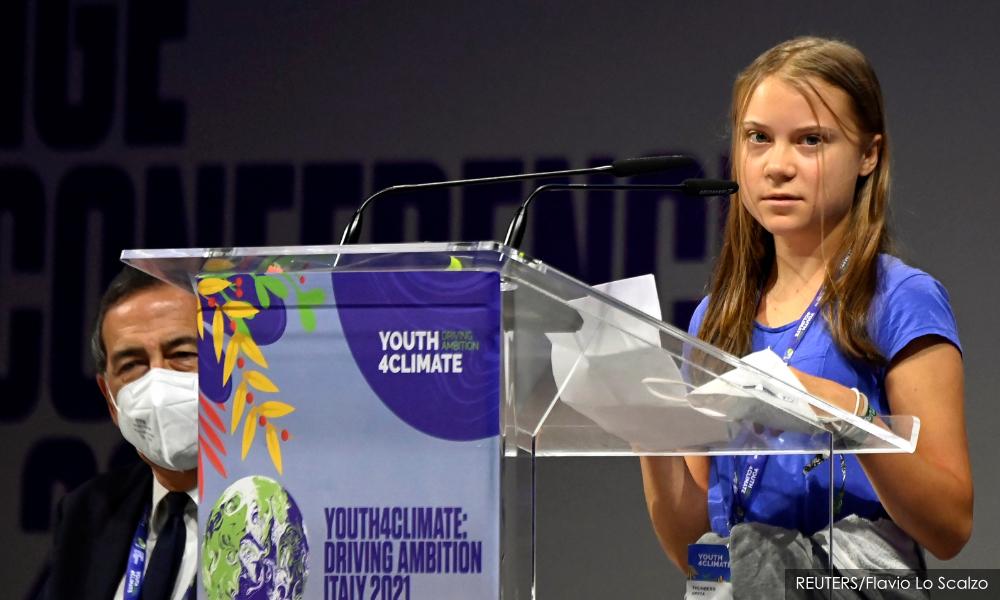
It was thanks to the creative and relentless activism by personalities such as Greta Thunberg and David Attenborough that attention to environmental issues became broader, which eventually managed to garner a more systemic treatment by the United Nations and other intergovernmental bodies.
The Paris Agreement signed by 196 parties at COP21 in 2015 introduced an international policy framework that aims to keep the planet’s temperature from rising more than 2.0 degrees Celsius compared to pre-industrial levels.
This conference marked an unprecedented global effort to fight climate change. Never before have countries set aside differences to agree on a shared concern and a common challenge. Still, because of its vague enforcement mechanism, expectations are still far from being met. Nonetheless, it is still a step in the right direction.
The loss of biodiversity is also still poorly discussed by Malaysians, particularly among the Malay-Muslims, rendering our course of actions shortsighted and mostly reactive rather than long-term and proactive.
Even technologies as useful and revolutionary as blockchain that come with its own environmental concerns – the latest being energy-guzzling cryptocurrencies and NFTs (Non-fungible tokens) – are being gleefully embraced, and sometimes rather with worrying recklessness.
It is therefore imperative that we frame our discussions properly and with strong philosophical foundations and clear ethical parameters. This new year, which coincidentally is the year of the animal which adorns our national emblem, should rightfully be a year of ‘enlightenment’, so to speak.
For the sake of our Malayan tigers which are losing their home at an alarming rate, I daresay it is a duty for us to do so pronto.
WAN AHMAD FAYHSAL WAN AHMAD KAMAL is a member of the Dewan Negara and the leader of Bersatu Youth. This article was written in his personal capacity.
The views expressed here are those of the author/contributor and do not necessarily represent the views of Malaysiakini.



Report this comment
Are you sure you want to delete this comment?
This action cannot be undone.