



COMMENT | Things you should know about the famous MOU
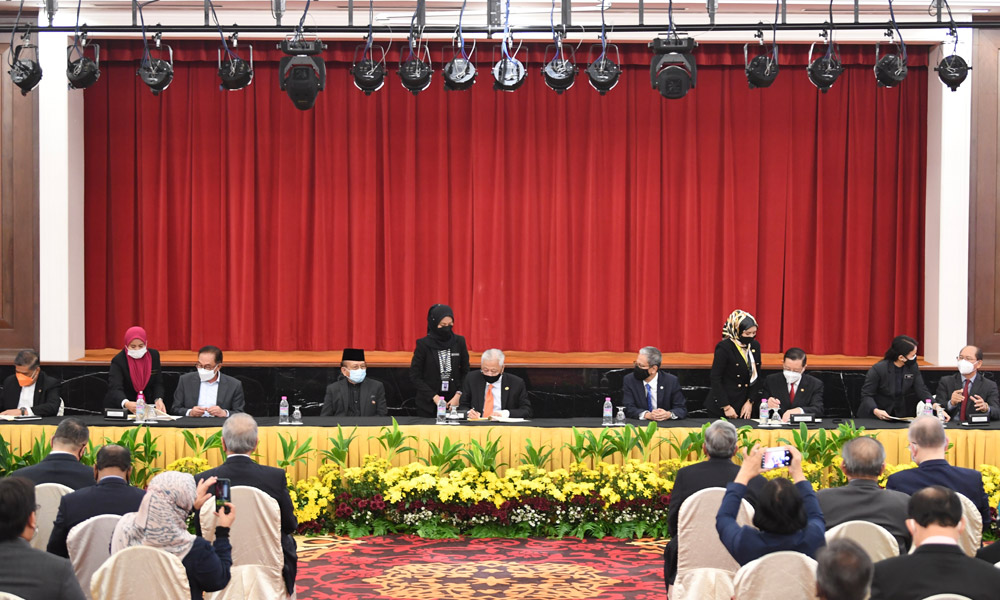
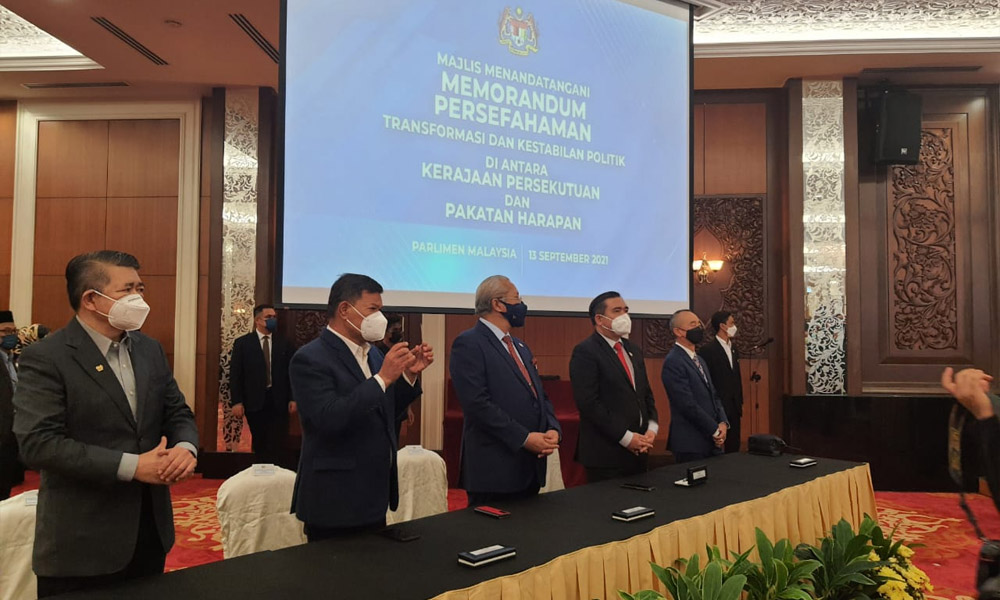
COMMENT | Here are things that you should know about the famous MOU made between the government and Pakatan Harapan on Sept 13, 2021.
First, the MOU does not expire on July 31, 2022. It is in force until Parliament is dissolved. Clause 2.1 of the MOU states: “terpakai sehingga pembubaran Parlimen Malaysia yang ke-14”.
Currently, the date of dissolution is not known. It can be any date between now and May 2023. The government merely agreed that it shall not dissolve Parliament before 31 July 2022. After that date, if it decides not to dissolve Parliament, the MOU will still continue to be in force.
Hence...
COMMENT | Here are things that you should know about the famous MOU made between the government and Pakatan Harapan on Sept 13, 2021.
First, the MOU does not expire on July 31, 2022. It is in force until Parliament is dissolved. Clause 2.1 of the MOU states: “terpakai sehingga pembubaran Parlimen Malaysia yang ke-14”.
Currently, the date of dissolution is not known. It can be any date between now and May 2023. The government merely agreed that it shall not dissolve Parliament before 31 July 2022. After that date, if it decides not to dissolve Parliament, the MOU will still continue to be in force.
Hence, if the MOU does not expire on July 31, 2022, then there is no question of extension, as mentioned by some people. It subsists for the life of the current Parliament or until it is repudiated.
Now, let’s look at the other terms of this agreement.
The government wanted only two promises from Harapan - Harapan will support Budget 2022 and supply bills, and Harapan will prevent a no-confidence vote.
In other words, keep the government in power and give it the money to spend.
These two promises have been kept by Harapan. Prime Minister Ismail Sabri Yaakob continues to be shored up as the PM and all budgets have been passed without opposition.
So much for promises
In exchange for these two promises from Harapan, the government made promises to Harapan. Has the government kept its promises?
One promise is to fight Covid-19. Yes, really! One would think that it is the government’s duty to its people to do that anyway. But yes, Clause 1 of the Lampiran states that promise and the Covid-19 plan.

This plan includes inter alia, having the National Recovery Council comprise 50 percent experts, 25 percent government MPs and 25 percent opposition MPs, the addition of RM45 billion to the Covid-19 Fund, fight Covid-19 according to FTTIS+V et cetera, RM10 billion to aid 11 million recipients in 2H of 2021, step up the National Covid-19 Immunisation Programme and 6 million doses of vaccines in September 2021, et cetera, all par-for-the-course for any responsible government in dealing with a pandemic.
Another promise is to “transform the Administration” in three ways:
To pass an anti-hopping law;
To implement Undi18; and
To pass a law to limit the PM’s term to 10 years.
Regarding Undi18, we will remember that there was a lot of delay to implement Undi18 and that it was only through a court ruling that Undi18 saw the light of day. It did not happen without some arm-twisting. So much for a promise.
With regard to the anti-hopping law, the deadline stated in the MOU is “not later than the first meeting of the Fifth Session of Parliament in 2022”. This session is happening now, as I write.
We have been told by the government that the matter has been postponed to the next meeting of Parliament because of the Johor state election and that lots more need to be discussed. Hence this promise has not been kept.
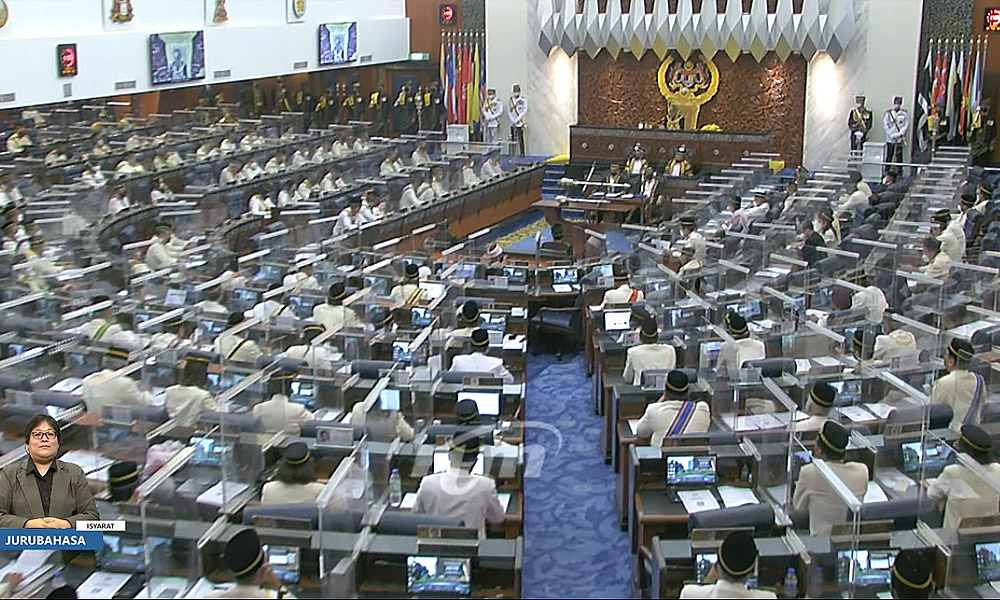
With regard to the law to limit the PM’s tenure of office, it is nowhere in sight. The deadline for that promise to be fulfilled is also “not later than the first meeting of the Fifth Session of Parliament in 2022”. This promise has also not been kept.
Then there are the promises to reform Parliament as follows:
To pass a law to restore financial and administrative independence of Parliament;
To increase the number of Parliament Select Committees (PSC);
To ensure that the composition of PSCs comprise an equal number of government and opposition MPs;
To amend the Standing Orders of Parliament to ensure that proceedings of Parliament are more orderly and effective (but subject to the agreement of the speakers);
To ensure all MPs get the same allocations except those MPs who did not sign the MOU and
To ensure the opposition leader gets more benefits.
The deadline for reform (i) to restore the financial and administrative independence of Parliament is “no later than the second meeting of the fifth session of Parliament”. I believe Parliament has to pass an Act for this and this has not been done. This promise has not been fulfilled.
The deadlines for the rest of the promises of reform of Parliament from (ii) to (vi) above are “as soon as possible”.
Forest conservation with loggers
With regard to the reform on PSCs, I have not read any report from the government regarding its progress. Has the number of PSCs been increased? Do the current PSCs comprise equal numbers of government and opposition MPs?
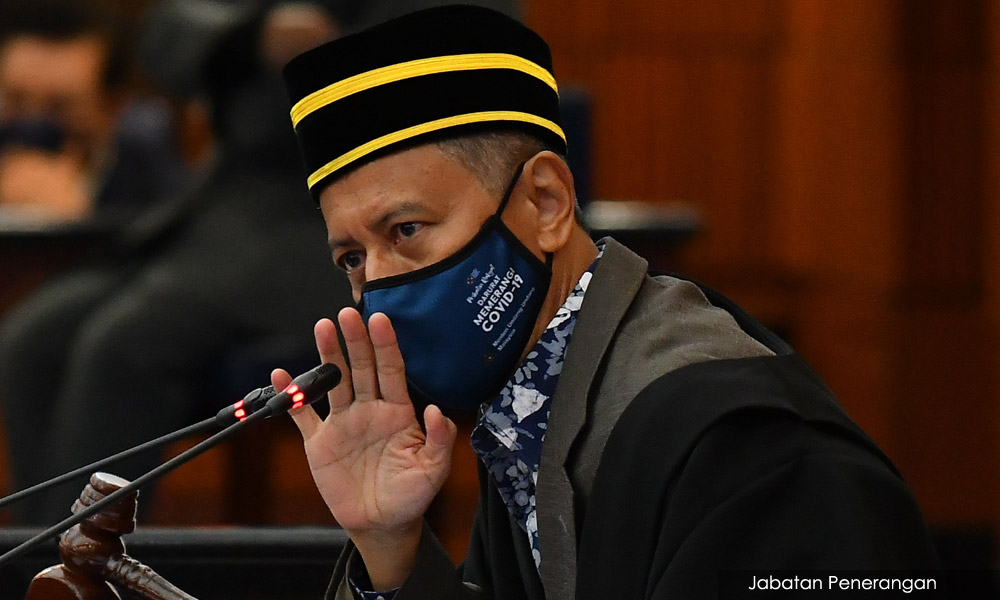
With regard to the promise to amend the Standing Orders of Parliament, it is somewhat peculiar that the proposed amendments shall be subject to the agreement of the speakers of both Houses.
Yes, it is true! It is stated in Clause 3.4 of the Lampiran. Since when have the speakers been the makers and approvers of the Standing Orders? Are not those functions the prerogative of Parliament?
Hence, if we, in our wildest imaginations, think that the speaker has been draconian and unfair in his using the Standing Orders, then this promise to amend the Standing Orders is indeed a wild imagination.
It’s like making amendments to forest-conservation law subject to the approval of loggers. This promise has, of course, not been kept.
As to the promises of allocations to MPs and the benefits to the opposition leader, I have not read anywhere that such have been given yet. These are low-hanging fruits and easy to provide and, I suspect, without many protestations from the recipients.
A shocking promise made by the government to Harapan is to ensure the independence of the judiciary! Yes, it is there in Clause 4 of the Lampiran. And the deadline for that is stated as “all the time”.
I am lost for words in trying to comment on this promise. That this sacred tenet of constitutional governance should be a subject matter of an agreement between the government and members of the opposition, speaks volumes of our country.
The promise in Clause 5 on the Malaysia Agreement 1963 (MA63) is to strengthen efforts towards implementing the terms in MA63 and the related documents.
The amendments made in September 2021 to Articles 1(2), 160(2) of the Federal Constitution are a good start. In my opinion, Article 161A(6) and (7) significantly solved the longstanding identity-definition problem of the “natives” in Sarawak.
Aside from that, the other amendments hardly scratch the surface of the real substantial issues. Having said that, the issues surrounding MA63 with regard to Sabah and Sarawak are wide and deep. It is unrealistic to expect that they can be solved within the lifetime of this current Parliament.
The final promise of the government in the MOU is to set up a Steering Committee of 10 members comprising five government MPs and five opposition MPs and they are to meet once every two weeks. I am pretty sure this promise has been easily kept.
In summary, one can see that with the MOU, the government has already got what it wanted from the get-go - stay in power without challenge and have all the money to spend without opposition. On the other hand, Harapan has obtained all these promises, most of which have not been kept.
The woods are lovely, dark and deep. We have promises to keep. And miles to go before we sleep. Miles to go before we all sleep.
CHARLES CJ CHOW, #An Independent Voice, is a retired corporate lawyer and former journalist.
The views expressed here are those of the author/contributor and do not necessarily represent the views of Malaysiakini.



Report this comment
Are you sure you want to delete this comment?
This action cannot be undone.