




For nature: every little act counts
Human and nature are interdependent. Much of our survival depends on it. Why are we not concerned?
Living beings have been throwing or emitting wastes for ages. However, nature was able to convert the wastes especially harmful substances into harmless substances then. This was the way of nature. Polluting is when nature loses its ability to convert wastes into harmless materials through slow and safe processes.
Human and nature are interdependent. Much of our survival depends on it. Why are we not concerned?
Living beings have been throwing or emitting wastes for ages. However, nature was able to convert the wastes especially harmful substances into harmless substances then. This was the way of nature. Polluting is when nature loses its ability to convert wastes into harmless materials through slow and safe processes.
As the human population increased through time, new habitats were developed. The rapid growth in population forced the agricultural sector to be modernised and industrialization was born. The industrialisation era has gone further by developing and simplifying traditional processes. Development superseded the need for preserving nature. This has further increased the burden on nature.
The greed of men never ended, even though incidents like Minamata Bay (Mercury poisoning), Bhopal (Chemical spill), Chernobyl (Nuclear leak) and Exxon Valdez (biggest oil spill in the sea) have taken place and killed many.
We do not differ much from the international community.
Haze problem
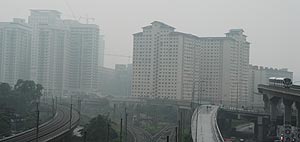 The annual haze problem has been haunting Malaysians for sometime now. Our steps towards improving the condition are still being negotiated. Our natural hazards are flooding and landslides mainly. Flash flood is one of the very common incidents here. It is basically because of two main reasons, poor drainage design and clogged drains due to irresponsible dumping of rubbish. The infrastructures damages due to floods reaches millions of ringgit every year.
The construction of hydroelectric dams is one of the major causes of the loss of natural forests. The estimated total area of forests that have been flooded as a result of dams could be well over 100,000 hectares. This does not include the Pergau and Bakun dams that are currently under construction. The Highlands Towers incident is still fresh in our memory. The improper development around hillsides have caused the catastrophe to take place. Tsunami hit Malaysia on Dec 26, 2004, proving that our textbooks are wrong.
Now, after all these years, it is evident that we have contributed significantly to climate change and the consequences are disastrous. According to the Intergovernmental Panel on Climate Change (IPCC), 2007, the atmospheric concentration of Carbon Dioxide in 2005 was 379ppm3 compared to the pre-industrial levels of 280ppm3. In other words its 0.02% to 0.03% in the atmosphere (content in percentage) is been much higher in the long history of the earth. Some of the most immediate effects of recent climate change are becoming apparent through impacts on biodiversity. The life cycles of many wild plants and animals are closely linked to climatic changes and can lead to interdependent pairs of species (e.g. a wild flower and its pollinating insect) losing synchronisation.
Do your part
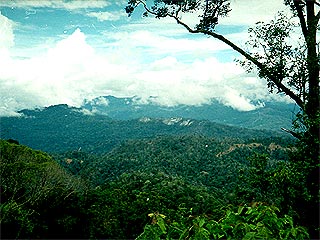 Malaysia is one of the 12 countries in the world which was identified as a "mega biodiversity" region. With this rate of development we may loose the title and recognition. We face a long term challenge of managing the remaining forests sustainably.
Saving nature is vital now more than ever. It is the right of the future generation to breathe clean air, consume clean water and enjoy the purity of nature. Sustainable development is essential for the survival of future generations.
Be a responsible human and be a "sustainable consumer" and start to practice sustainable consumption. Learn how to reduce, reuse and recycle in your home. Conserve electricity and water in your house and office as well.
Make it your duty to report if there is illegal dumping of wastes, open burning or pollution. Join your community to ensure "green lungs" are planted around your neighbourhood. Buy products that cause least harm to the environment. The little things we do counts.
PIARAPAKARAN SUBRAMANIAM is Programme Manager, Environment Desk
Federation of Malaysian Consumers Association (Fomca).


