


/file/publisher-c1a3f893382d2b2f8a9aa22a654d9c97/2024/08/38cf051d370e7a1a50065cb79a49b27c.jpg)

COMMENT | Orangutan diplomacy: A new era for conservation
COMMENT | During the World Orangutan Day celebration at the Sepilok Orangutan Rehabilitation Centre in Sabah, Johari Abdul Ghani unveiled a revised “Orangutan Diplomacy” initiative, aimed at safeguarding Malaysia's rich biodiversity, particularly the critically endangered orangutans of Sabah.
In the announcement, the plantation and commodities minister declared that no further forested areas in Malaysia will be permitted for conversion into palm oil plantations.
This is a significant step forward in the battle to preserve the natural habitats of the orangutans, particularly in plantation landscapes.
We hope that this commitment can be enshrined as a...
COMMENT | During the World Orangutan Day celebration at the Sepilok Orangutan Rehabilitation Centre in Sabah, Johari Abdul Ghani unveiled a revised “Orangutan Diplomacy” initiative, aimed at safeguarding Malaysia's rich biodiversity, particularly the critically endangered orangutans of Sabah.
In the announcement, the plantation and commodities minister declared that no further forested areas in Malaysia will be permitted for conversion into palm oil plantations.
This is a significant step forward in the battle to preserve the natural habitats of the orangutans, particularly in plantation landscapes.
We hope that this commitment can be enshrined as a policy leading towards amendments to relevant ordinances that can effectively protect and conserve our orangutans.
In Sabah, where a significant portion of the remaining orangutan population resides, the emphasis will now be placed on conserving these majestic creatures in their natural habitats.
The minister highlighted the critical importance of in-situ conservation efforts, where orangutans are protected within their existing environments, including those areas that intersect with palm oil plantations.
This move is not just a win for wildlife conservation but also a crucial step towards balancing economic growth with environmental sustainability.
Given the critically endangered status of the Bornean orangutans, WWF-Malaysia advocates for in-situ conservation, and urges trading partners and the international community to provide support to Malaysia, and for companies to shift their paradigm towards adopting orangutan conservation.
Malaysia can showcase its commitment to orangutan conservation by conserving any remaining natural forests that are habitats for orangutans, including those in oil palm plantations.
While the population of orangutans is stable in Sarawak at 2,000 and most of Sabah at 11,000; in eastern Sabah, based on our 2019 survey, the population in the Tabin Wildlife Reserve has declined by about 30 percent, due to surrounding forest loss and conversion into plantations.
Orangutans’ vital role in ecosystem
Orangutans are more than just an iconic species; they are a keystone of the ecosystems they inhabit.
These intelligent primates play a crucial role in maintaining the health of the forests by aiding in seed dispersal and promoting the growth of a diverse range of plant species.
Their presence is indicative of a thriving, balanced ecosystem, which in turn supports countless other forms of wildlife.
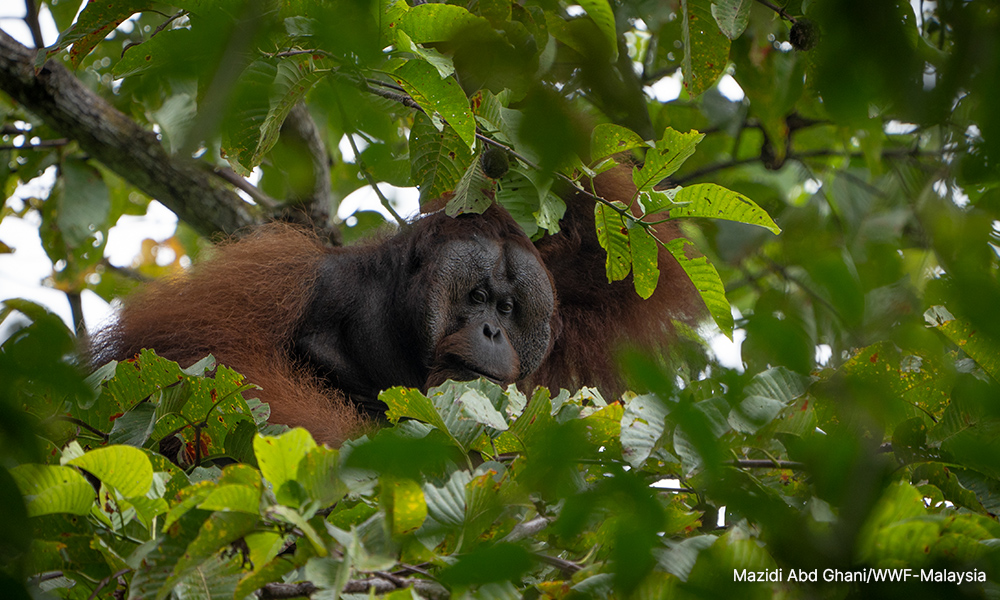
The loss of orangutans would not only be a tragedy for biodiversity but would also have far-reaching implications for the health of the forests they call home.
As such, the conservation of orangutans is intrinsically linked to the broader goal of preserving the ecological integrity of these vital habitats.
A call to action for industry stakeholders
Aligned with the Global Biodiversity Framework (GBF) 15, which calls for businesses to reduce negative impacts on biodiversity, the Orangutan Diplomacy initiative can become a platform for manufacturers and retailers utilising palm oil and its derivatives to contribute financially towards orangutan conservation.
One key aspect of this initiative is adopting orangutans in the wild. By adopting population groups in specific landscapes, companies and individuals can directly contribute to the protection and preservation of their habitats.
This initiative is not only a tool for conservation but also serves as a unique opportunity for businesses to demonstrate their commitment to environmental responsibility, resonating with consumers who are increasingly prioritising eco-friendly and ethical practices in their purchasing decisions.
Importance of corridors and connectivity
To address the challenges of deforestation and habitat loss affecting orangutans, WWF-Malaysia advocates for a living landscape approach in areas of high biodiversity, involving the protection of forests, the creation of wildlife corridors to connect fragmented forests or the restoration of degraded forests.
This comprehensive approach helps conserve orangutans living in isolation within the palm oil plantation landscape.
To maintain genetic diversity, wildlife corridors and riparian reserves can connect isolated groups living in patches of forests within oil palm plantations to the larger forest reserves and protected areas.
As such, we welcome the Orangutan Diplomacy initiative to support the creation and maintenance of wildlife corridors.
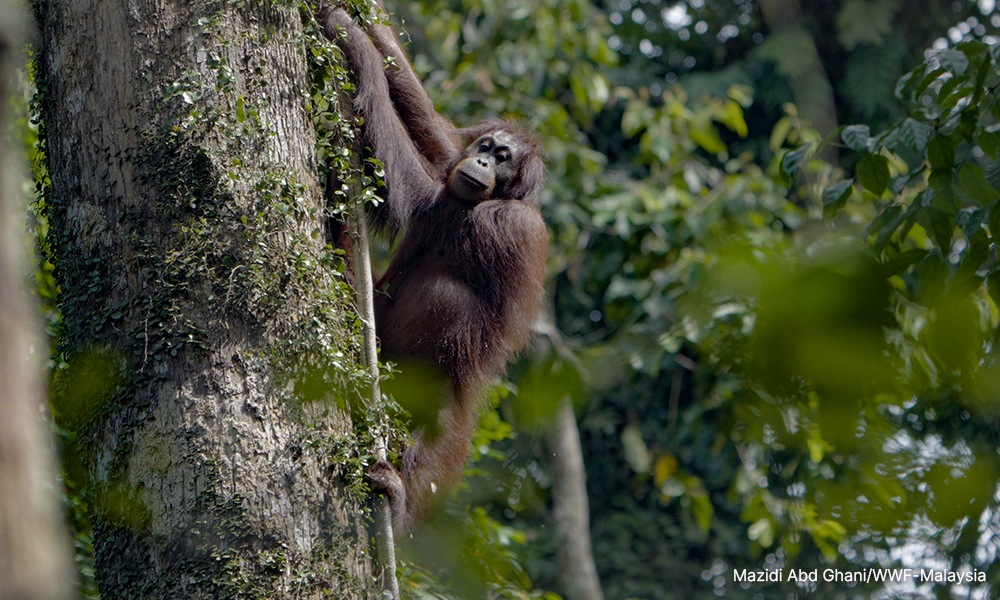
Companies such as Kuala Lumpur Kepong Berhad (KLK) and Sawit Kinabalu have already taken significant steps in this direction.
Sabah Softwoods Berhad has also taken similar steps, particularly in efforts to create corridors for the Bornean elephants, while also providing connectivities for orangutans.
We call upon more plantation companies to join in this effort, to showcase the importance of collaborations in achieving these conservation goals.
Forests as carbon sinks
Forests are not only home to countless species; they are also vital carbon sinks that play a critical role in mitigating climate change.
As Malaysia works towards its commitment to achieving net zero by 2050, the protection of these forests is paramount.
By supporting orangutan conservation, Malaysia is also safeguarding its forests' ability to sequester carbon, thereby contributing to global efforts to reduce greenhouse gas emissions.
We have to work together in the country’s journey towards a more sustainable and environmentally responsible future, where economic development and conservation efforts are harmoniously aligned.
WWF-MALAYSIA works to protect our country’s natural environment through various conservation programmes.
The views expressed here are those of the author/contributor and do not necessarily represent the views of Malaysiakini.
/file/publisher-c1a3f893382d2b2f8a9aa22a654d9c97/2019/07/0779561338010245859374d505a067e6.jpg)
/file/publisher-c1a3f893382d2b2f8a9aa22a654d9c97/2024/05/81ad7d5d9486881c75dc8e6b9355acf7.jpg)
/file/publisher-c1a3f893382d2b2f8a9aa22a654d9c97/2019/07/ce550c93eb7c8ccc2ce170d8a4a24b77.jpg)


Report this comment
Are you sure you want to delete this comment?
This action cannot be undone.