


/file/publisher-c1a3f893382d2b2f8a9aa22a654d9c97/2024/09/6e7e76fd4dbddd974b4340d3046c0171.jpg)

COMMENT | Anwar steering M'sia's economic revival: A legacy of Reformasi
COMMENT | Prime Minister Anwar Ibrahim has always been known for his principled stance on economic management, and his approach today reflects a continuation of the integrity he demonstrated during the 1998 financial crisis.
As Malaysia once again faces economic challenges, Anwar’s strategic vision has proven to be transformative, particularly in his handling of Johor’s Forest City and his efforts to safeguard the nation’s financial stability.
His genius lies in his ability to blend historical lessons with modern economic reforms, steering Malaysia toward growth without compromising its integrity.
COMMENT | Prime Minister Anwar Ibrahim has always been known for his principled stance on economic management, and his approach today reflects a continuation of the integrity he demonstrated during the 1998 financial crisis.
As Malaysia once again faces economic challenges, Anwar’s strategic vision has proven to be transformative, particularly in his handling of Johor’s Forest City and his efforts to safeguard the nation’s financial stability.
His genius lies in his ability to blend historical lessons with modern economic reforms, steering Malaysia toward growth without compromising its integrity.
1998 Crisis: A legacy of economic integrity
Anwar’s economic principles were first prominently displayed during the 1998 Asian Financial Crisis, a defining moment in his career.
Unlike his contemporary, then-prime minister Dr Mahathir Mohamad, who favoured currency controls and bailing out failing companies, Anwar championed a different path. He resisted the temptation to misappropriate funds or engage in financial manipulation to artificially prop up the ringgit.
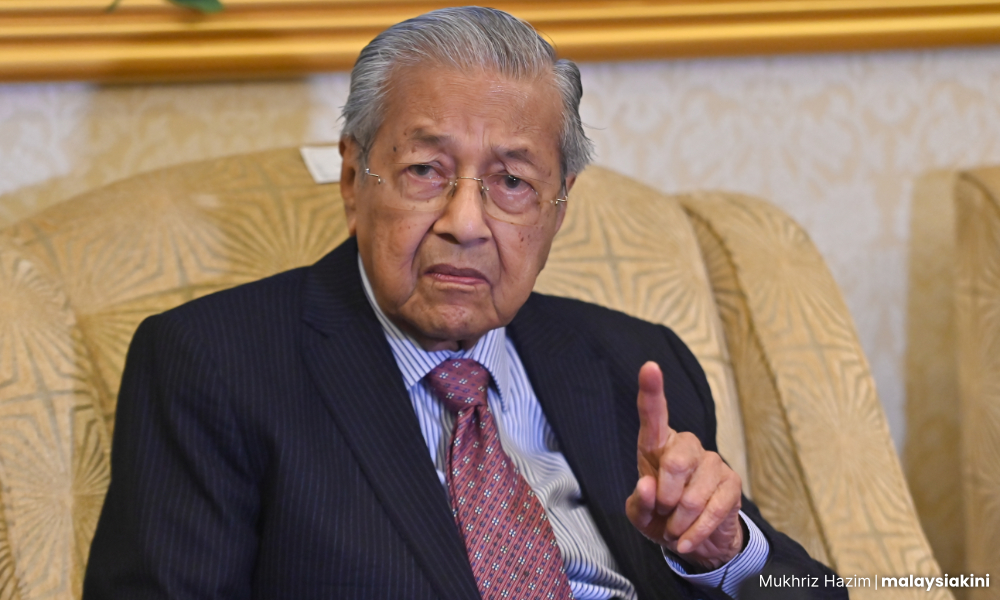
Instead, he advocated for Reformasi - a holistic reform of the political and economic systems that had enabled incompetence and corruption. His refusal to print more money and bail out crony corporations showcased his deep commitment to fiscal responsibility, even at the risk of his political future.
Anwar’s approach emphasised long-term sustainability over short-term political gains, positioning him as a leader who valued integrity over expediency.
While Mahathir’s policies of heavy intervention did temporarily stabilise the economy, they came at the cost of institutional accountability.
Anwar, on the other hand, advocated for a more transparent and competitive economy, believing that real recovery could only come through responsible governance and sound economic policies.
Forest City: A case study in strategic economic revival
Fast-forward to today, and Anwar is once again demonstrating his economic acumen by transforming Johor’s beleaguered Forest City project into a Special Financial Zone (SFZ).
Initially a massive residential project plagued by low occupancy and financial instability, Forest City was widely regarded as a failure.
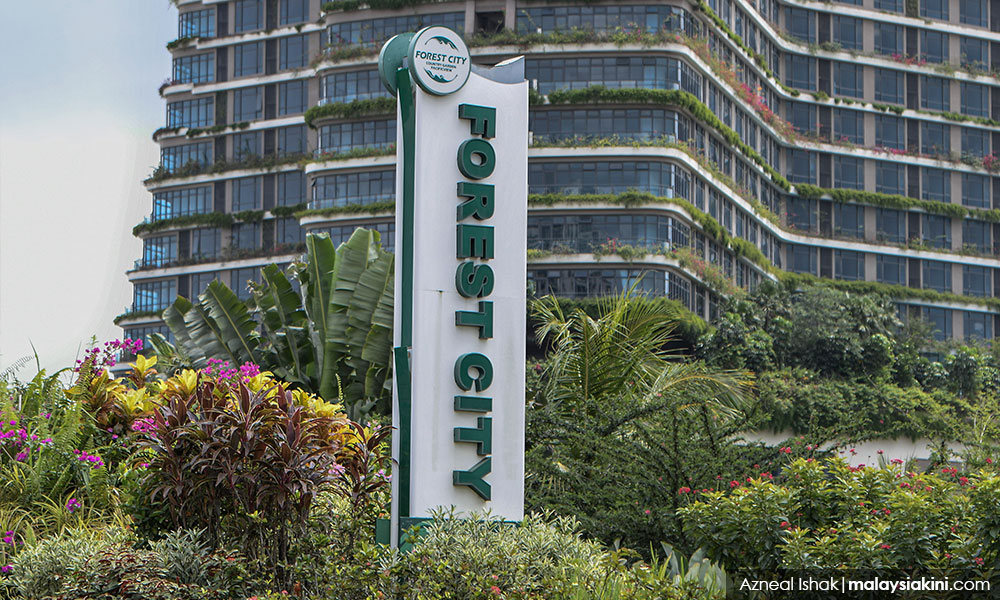
But Anwar, true to his reformist principles, saw potential where others saw ruin. His administration has turned the project around, reimagining it as a financial hub designed to complement Singapore’s economy.
By offering attractive incentives such as a zero-tax policy for family wealth offices and a 15 percent income tax rate for skilled workers, Anwar is positioning Johor as a financial and technological hub that can attract global capital.
The Forest City SFZ is no longer just a real estate project - it’s a gateway for foreign investments and high-net-worth individuals, contributing to Malaysia’s economic growth without burdening the public with unnecessary spending.
This is a clear continuation of Anwar’s 1998 strategy: invest in long-term, sustainable solutions instead of short-term fixes that ultimately lead to more significant problems.
A holistic approach to economic reform
Anwar’s vision isn’t just about Forest City; it’s about recalibrating Malaysia’s entire economic structure.
His government has maintained gas subsidies to alleviate the burden on the Malaysian population, while at the same time carefully monitoring US interest rates to determine the best time to adjust prices.
This balance between economic pragmatism and social responsibility is a hallmark of Anwar’s leadership.
Anwar’s careful handling of Malaysia’s banking sector is another example of his commitment to reform.
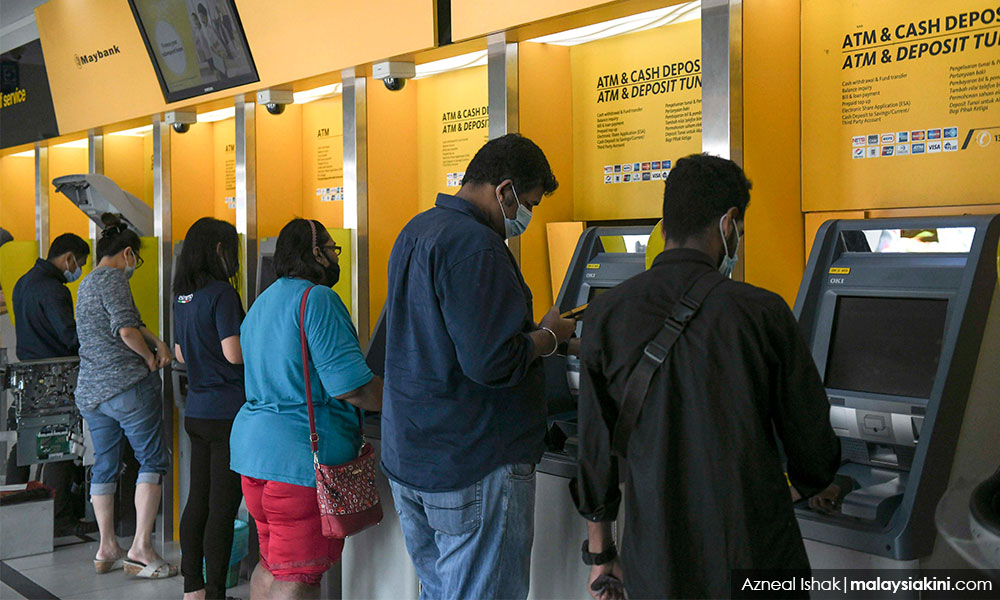
By allowing banks to operate on thin margins, he has kept Malaysia attractive to foreign investors, even in the face of global economic turbulence.
This strategy mirrors his stance in 1998 when he argued against bailing out failed companies to maintain the integrity of Malaysia’s financial system.
Reformasi revisited: Tackling incompetence in leadership
At the core of Anwar’s economic strategy is a belief in the importance of competent, transparent leadership.
When he spoke about Reformasi in the late 1990s, it wasn’t just a political slogan - it was a call for a complete overhaul of Malaysia’s systems, which had been compromised by incompetent leaders and cronyism.
Anwar recognised that Malaysia’s economic woes were tied to systemic failures, and he continues to address these issues today by promoting policies that prioritise meritocracy, accountability, and sustainability.
The transformation of Johor’s Forest City into a financial hub is a testament to Anwar’s belief in the power of reform.
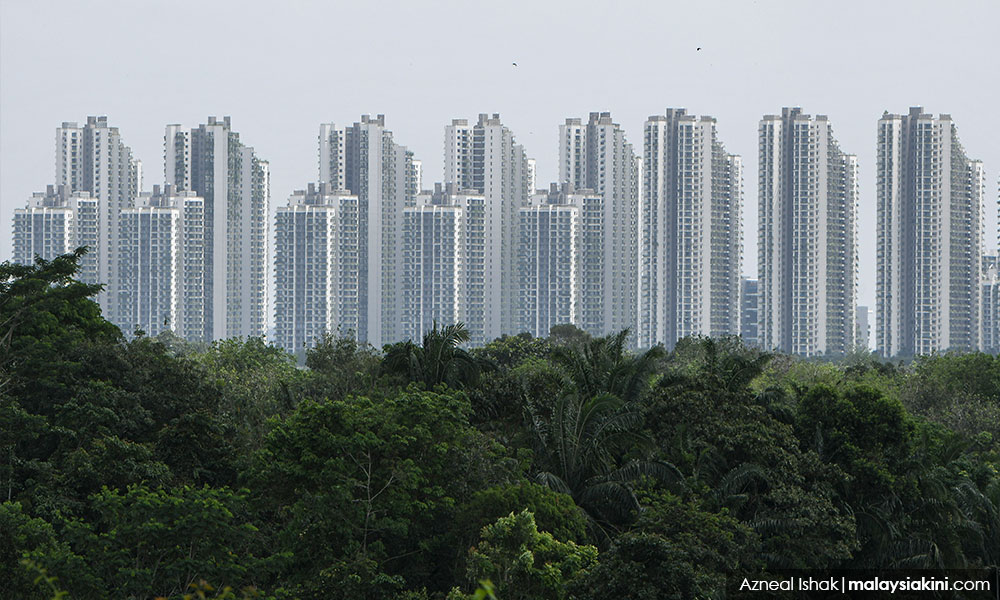
Rather than abandoning a failed project, he repurposed it to serve Malaysia’s long-term economic interests, much like his refusal to support wasteful bailouts in 1998.
Anwar’s leadership today reflects the same principles that guided him during the financial crisis: a commitment to sound governance, responsible economic management, and a relentless focus on the future.
Conclusion: An economic vision rooted in integrity
Anwar’s economic genius lies in his ability to combine integrity with strategy. His refusal to bail out failing companies in 1998 set the tone for his leadership, which continues to prioritise long-term growth over short-term political gains.
The transformation of Forest City from a failed development into a thriving financial zone is just the latest example of Anwar’s ability to turn economic challenges into opportunities.
As Malaysia continues to navigate global economic uncertainties, Anwar’s steady hand and reformist vision will undoubtedly play a critical role in shaping the nation’s future.
His focus on competent leadership, sustainable growth, and fiscal responsibility positions Malaysia for long-term success, proving once again that Anwar is not just a political leader but an economic visionary.
TUAN MUDA is the pseudonym of Mudasir Khan, an American corporate transplant who grew up in Penang and brings a unique blend of global insight and local expertise to the logistics industry.
The views expressed here are those of the author/contributor and do not necessarily represent the views of Malaysiakini.
/file/publisher-c1a3f893382d2b2f8a9aa22a654d9c97/2019/08/d27983e6d6f16b906b73e7daf5e25e86.jpg)
/file/publisher-c1a3f893382d2b2f8a9aa22a654d9c97/2024/09/444e4141654f4fbd5679205c9550ca73.jpg)
/file/publisher-c1a3f893382d2b2f8a9aa22a654d9c97/2024/08/c0092a462c4c9f937a7f63147056c708.jpg)
/file/publisher-c1a3f893382d2b2f8a9aa22a654d9c97/2024/08/68955bb7a8ba229fc32599bdd995a26c.jpg)
/file/publisher-c1a3f893382d2b2f8a9aa22a654d9c97/2021/08/663cd188c61b80e85d3e0be9d20f6def.jpg)


Report this comment
Are you sure you want to delete this comment?
This action cannot be undone.