


/file/1125/aae4087286de9e0cb92e8565dbfd7d76.jpeg)

COMMENT | Malay and Islamic culture of 'accepting' apologies
Although I may not be an expert on the Malay and Islamic cultures of accepting apologies, since no other Malay-Islamic experts would come to the fore, I offer my understanding and experience on this matter.
In the Malay culture that I am exposed to, there are several cultural norms or etiquette related to offering apologies and accepting them.
One culture is to ask for apologies concerning speech that may be deemed inappropriate such as, “Saya akhiri dengan ucapan terima kasih dan ampun maaf jika ada tersilap kata”.
(I would like to end with a word of thanks and seek your forgiveness if I misspoke.)
The audience will not say that they accept but it is deemed...
COMMENT | There has been much condemnation of Prime Minister Anwar Ibrahim’s “acceptance” of his predecessor Najib Abdul Razak’s apology for the 1MDB affair.
Although I may not be an expert on the Malay and Islamic cultures of accepting apologies, since no other Malay-Islamic experts would come to the fore, I offer my understanding and experience on this matter.
In the Malay culture that I am exposed to, there are several cultural norms or etiquette related to offering apologies and accepting them.
One culture is to ask for apologies concerning speech that may be deemed inappropriate such as, “Saya akhiri dengan ucapan terima kasih dan ampun maaf jika ada tersilap kata”.
(I would like to end with a word of thanks and seek your forgiveness if I misspoke.)
The audience will not say that they accept but it is deemed to be understood that the proper decorum was met and that the “apology” was accepted.
The other apology is with the idea of the efficiency and completeness of events such as, “Saya mohon ampun dan maaf jika ada sedikit kekurangan dalam majlis yang tidak seberapa ini”.
(I am sorry and seek your forgiveness if there have been shortcomings in this humble event.)
Again, this apology is deemed accepted by the attendees even though no one will utter any verbal acceptance of the apology.
Malay tradition during Raya
The most familiar and actual verbal acceptance of apology in the Malay culture is related to Hari Raya.
I do not think that the budaya maaf bermaafan (culture of seeking and accepting apologies) sung in many songs during Raya is part of the Islamic tradition of the Prophet.
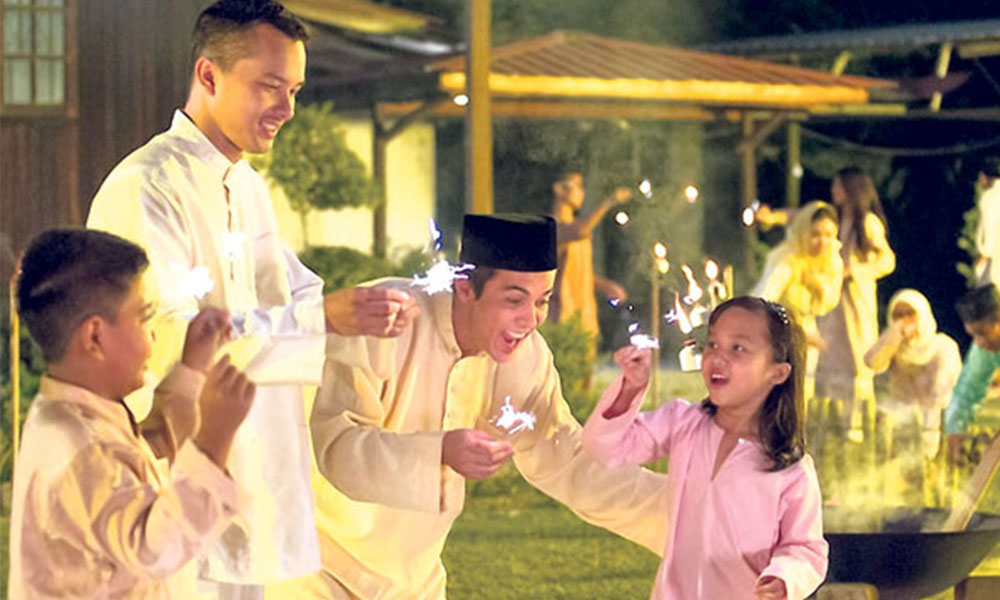
However, the Malays have made two occasions from the Raya event.
The first occasion is the asking for forgiveness by sons and daughters to parents by saying, “Minta ampun maaf dan halalkan makan minum sepanjang hidup saya”.
(I seek your forgiveness and I appreciate the food and drink you have given me my whole life.)
And the parents would never refuse such a request! In the tradition of Islam, it is said that heaven is at the foot of the mother which I think implies parentage also.
Then there is the “apology” and forgiveness from wives to husbands in a similar wording because it is said that the fate of wives in the hereafter depends on whether the husband is pleased with her.
The husband of course has to ask forgiveness from his mother.
Although I never ask for my children to seek forgiveness in anything at any time or ask my wife to seek forgiveness from me at any time or for anything, my wife trains our children in her own family tradition.
My mother-in-law told me that before we parents and spouses go to sleep at night, we must forgive our children as their fate in the hereafter lies at our feet. I never forgot that and I forgive my children and wife every day and every night.
Then, of course, we are familiar with Malays visiting the houses of friends and relatives for food and also to ask for forgiveness.
The words would be “Salam dan maaf zahir batin” (Forgive me, outwardly and inwardly) and now it is popularised with “Salam dan semoga kita kosong-kosong”, meaning we do not owe anything to each other in sins.
Forgiveness in Islamic tradition
In the Islamic tradition, forgiveness must be asked for any personal sin because, on the Day of Judgment, all sins that are not forgiven in this world will be held in court there.
In the haj or pilgrimage to Mecca tradition, the Malays would be encouraged to ask for forgiveness from all whom they know and to do so face to face.
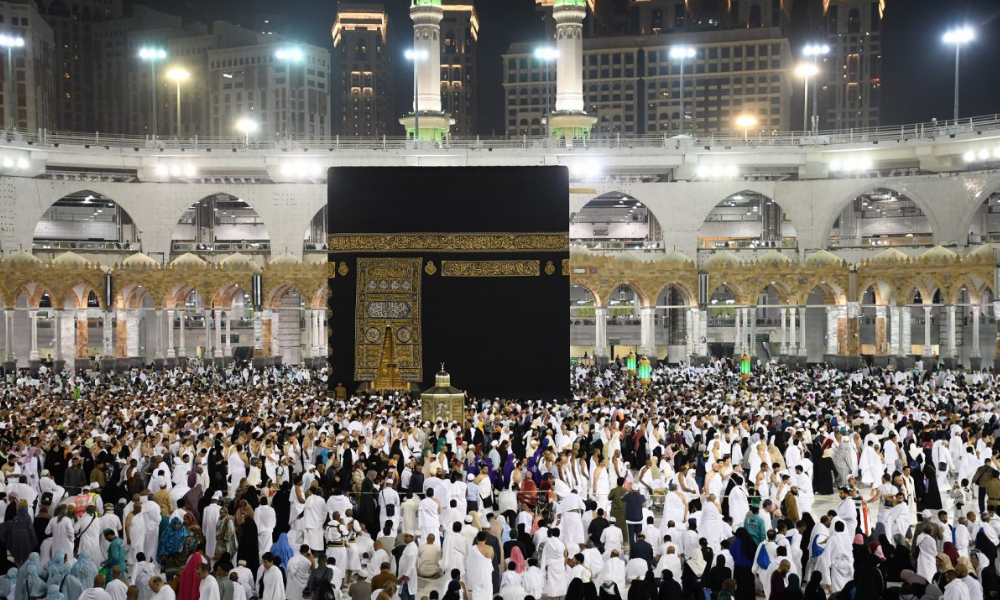
They would say something like, “Saya mohon maaf atas segala dosa dan salah saya kepada tuan dan harap tuan akan maafkan”.
(I am sorry for all the sins and wrongs done to you and hope you will forgive me).
Of course, when somebody says those words to your face, just like some words uttered during Hari Raya, you are obviously not going to reject the act! You would say something like, “insya Allah saya maafkan dan sama-sama lah kita bermaafan selalu”.
(Allah willing, I forgive you and may we forgive each other always).
This act is taught to Malays as making the slate clean from sins just like that of the Hari Raya gesture. However, Islamically, that may not be so.
In Islam, the act of asking for forgiveness comes with the conditions of admitting to the sins by describing those sins and also giving back what was stolen. Without these two conditions then God may be deemed to not accept it.
In both the Hari Raya and the haj “asking forgiveness” culture, neither conditions in Islam were met, but then, that’s why I consider it just a norm of society and not a spiritual act that was originally intended.
The point I want to make is that no Malay will verbally reject the act of asking for forgiveness. However, I have absolutely no knowledge pertaining to the practices of the royal families of Malaysia with regard to accepting forgiveness as a decorum.
Now, in Islamic spirituality and politics, Muslims are taught by the magnanimous and political deeds of the Prophet Muhammad in the conquest of Mecca.
There, the Prophet forgave his enemies when they sought his forgiveness.
These people had done much wrong in body and material to the Prophet but he forgave them all.
As a person, the Prophet was practising his spiritual sense of compassion but also, I believe, as a political leader, he was acting as “the father of the nation” like any father to his family. By the act of magnanimity, the whole Arabian tribe embraced Islam.
Had the Prophet exacted retribution, the tribes would be perpetually at war with him.
In Najib’s apology and his asking for forgiveness, I presume that Anwar was a Malay and a Muslim following the tradition of these two cultures and beliefs.
I do not ask Malaysians to accept our Malay and Islamic cultural and religious beliefs but I beg Malaysians to understand it.
Other cultures may have a black-and-white understanding of asking forgiveness and accepting apologies and I understand that.
For me, the court cases of Najib bear no relation at all to his act of asking forgiveness and I understand that was what Anwar had said.
As a political leader, Anwar’s actions are tied to that of his office whereas we are not governed by his office or political conditions.
It is obvious that we have much to learn about each other after almost 70 years of Merdeka.
TAJUDDIN MOHD RASDI is a professor of Islamic Architecture at UCSI University.
The views expressed here are those of the author/contributor and do not necessarily represent the views of Malaysiakini.
/file/publisher-c1a3f893382d2b2f8a9aa22a654d9c97/2024/02/42548e74dd3a3d31526cffe9ef07aef5.jpg)
/file/publisher-c1a3f893382d2b2f8a9aa22a654d9c97/2024/10/ed8ebb2c062f0d94e22c2c5a995e1af2.jpg)
/file/publisher-c1a3f893382d2b2f8a9aa22a654d9c97/2024/10/326cb4886ddfa3ecf6b0c879895e28c4.jpg)
/file/publisher-c1a3f893382d2b2f8a9aa22a654d9c97/2023/03/c0576c49fcc050f6eca8f425b27dfa56.jpg)


