


/file/publisher-c1a3f893382d2b2f8a9aa22a654d9c97/2022/06/a474372f81621b36e0ceaad79d51a695.jpg)

COMMENT | Journalism under attack - again for the wrong reasons
COMMENT | It is said that journalists write the news, not make it. In Malaysia, they do both intermittently.
In 2004, three Malaysian journalists, part of a 35-strong team of the Joint Media Team Malaysia (JMTM) who were covering the US invasion of Iraq, were kidnapped but later released. Among them was my former colleague, Terence Fernandez.
Officialdom claimed they had disobeyed strict orders concerning personal safety.
“All JMTM members were given specific orders on what to do and how to move around once they were in Baghdad,” the co-ordinator, Zukri Valenteno, then aide to then information minister Khalil Yaakob, said.
“The team’s brief was simple - journalists were supposed to get in, capture the suffering of the Iraqis and get out. All they had to do was stick to that.
“A few wanted to be heroes and failed to follow orders. They began doing stuff on their own, went to places and did things that were not part of the team’s brief,” he said.
COMMENT | It is said that journalists write the news, not make it. In Malaysia, they do both intermittently.
In 2004, three Malaysian journalists, part of a 35-strong team of the Joint Media Team Malaysia (JMTM) who were covering the US invasion of Iraq, were kidnapped but later released. Among them was my former colleague, Terence Fernandez.
Officialdom claimed they had disobeyed strict orders concerning personal safety.
“All JMTM members were given specific orders on what to do and how to move around once they were in Baghdad,” the co-ordinator, Zukri Valenteno, then aide to then information minister Khalil Yaakob, said.
“The team’s brief was simple - journalists were supposed to get in, capture the suffering of the Iraqis and get out. All they had to do was stick to that.
“A few wanted to be heroes and failed to follow orders. They began doing stuff on their own, went to places and did things that were not part of the team’s brief,” he said.
As an immediate retort, Fernandez said: “Zukri does not fully understand what happened in Iraq and his comments do not reflect the true situation there.”
“But I do not blame him, for while some of us were dodging bullets, he was 1,000km away in Amman, Jordan, in the safety and comfort of his five-star hotel room.”
Police intimidation
In 2008, Sin Chew senior journalist Tan Hoon Cheng made history by being arrested under the Internal Security Act (ISA) in what was then a record - she was arrested, detained, and released within 20 hours.
Then home minister Syed Hamid Albar suffered infamy and ridicule for his cynical, preposterous, and contemptible explanation and justification for her safety as the police believed her life was “under threat”.
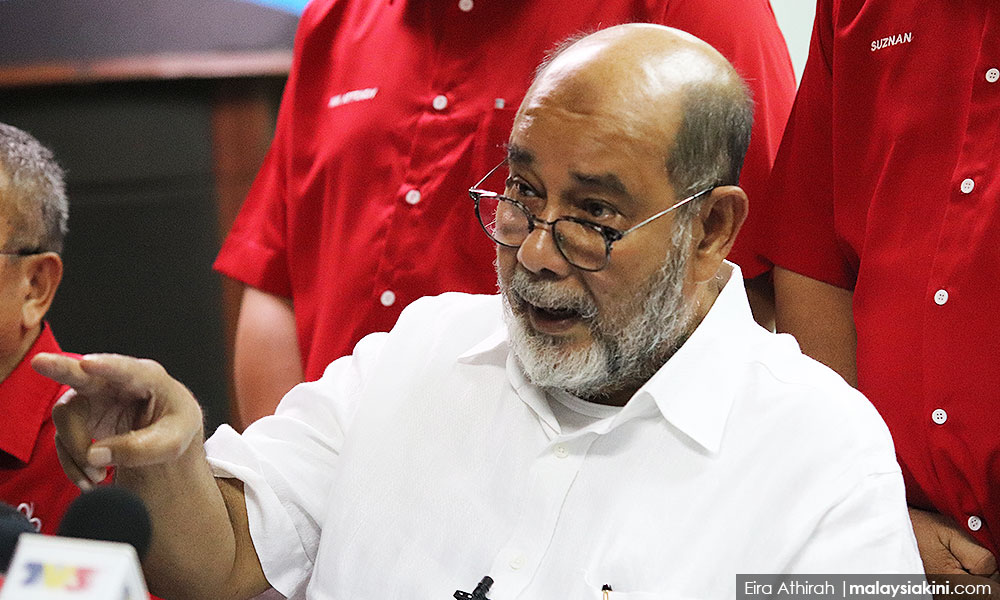
In September 2014, Malaysiakini journalist Susan Loone was arrested under the Sedition Act over her interview with Penang executive councillor Phee Boon Poh.
She was released on police bail nine hours after arriving at the Northeast District police district headquarters for questioning.
Then came the 1MDB scandal, and more journalists were detained; among them, The Edge publisher Ho Kay Tat was detained overnight, and after that, the publication’s licence was suspended for three months.
In August this year, three Malaysiakini journalists were summoned to be “interviewed” by the police for reporting on the transfer of senior police officers.
What was wrong with this? News organisations have constantly reported impending cabinet reshuffles or speculated on changes in government departments, but yet the police viewed this as “offensive”.
A royal excuse
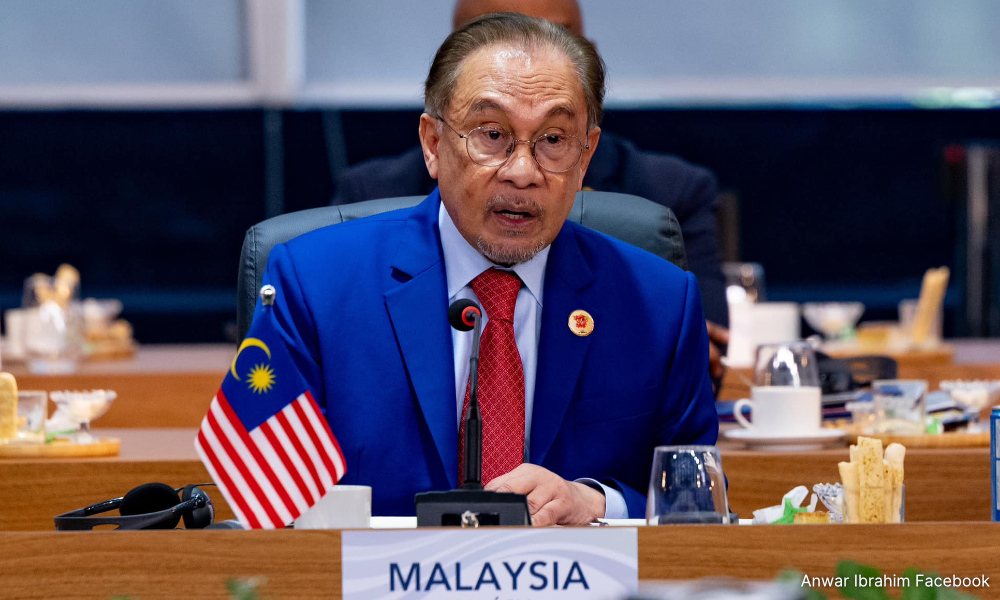
Yesterday, journalists were in the news again. In Parliament, Prime Minister Anwar Ibrahim attributed the country’s significant drop in this year’s Press Freedom Index (PFI) to the Council of Rulers’ wish not to be publicly criticised.
According to Anwar, while the government allows the people to speak freely, they must also respect the Malay rulers’ position.
This would be pooh-poohing the “real” reasons. Before discussing them, let it be said that no journalist worth his or her salt will even attempt to criticise the royal households. And even if he or she did, it would not get past the editors.
We are all aware of the legal implications and other possible repercussions. We know it is a forbidden area and always tread it cautiously, even if it is a simple news story.
News organisations usually rely on official sources - the palaces or state governments - when addressing issues touched by the rulers. No one goes on a frolic and writes or publishes articles about the royal houses.
This has been the practice for a long time, and we were also trained not to place photographs of rulers below those of commoners. So much reverence has been given to them.
Therefore, this is not a “new” reason for the drop in the rankings but the actions of the government in the preceding years.
When there are double standards and some politicians are treated with velvet gloves, what is wrong with publicising them?
However, it must be admitted that some have crossed the line. Those who breached the laws were not journalists but keyboard warriors and cybertroopers masquerading as one. Go after them, and don’t use one brush to tar many of us who treat journalism as a calling.
The last time a journalist was convicted of an offence under the Sedition Act was in 1971 for an editorial in Utusan Malaysia, calling for the abolishment of vernacular schools.
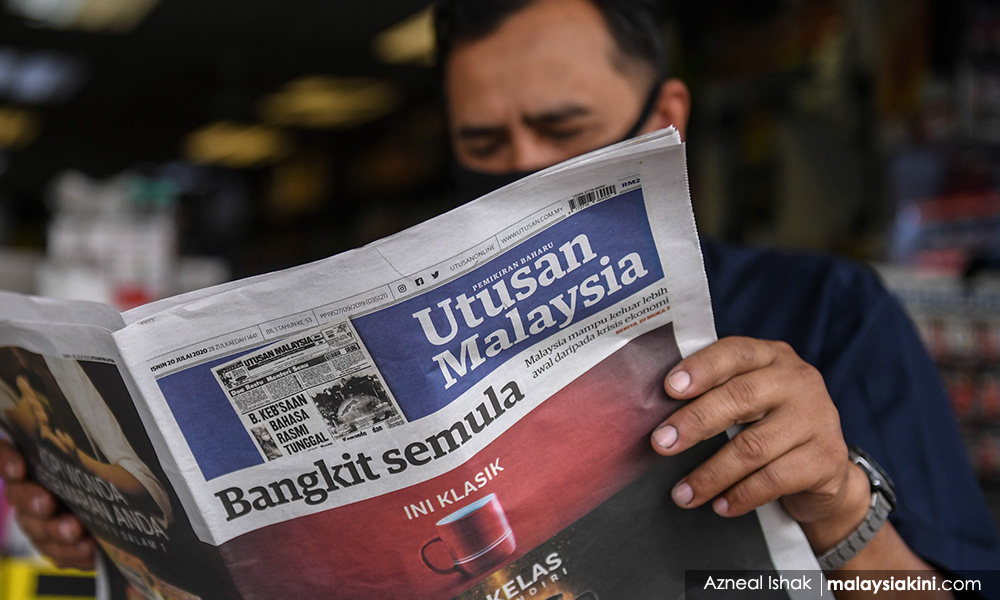
It may have been seditious then, but similar calls have become acceptable.
Over the years, many have said they addressed the issue, including retired Court of Appeal judge VC George. Last year, a Malay rights group sought intervention from the courts to close these schools but failed.
We refuse to be sycophants
No, Mr Prime Minister. No journalist wants to stir the pot, cause problems, or promote adversity among the citizenry.
Press freedom is not just about not arresting or prosecuting journalists or regulating the profession and its practitioners.
We want the government to respect and protect the media and open space for public discussion without hanging the sword of Damocles over our heads.
When we offer our opinions and views, we are not bringing down the government but continually reminding it of the many promises it has made - and yet has not kept.
We cannot be party-sponsored or those supported by the state apparatus who spew out propaganda or news favourable to their godfathers.
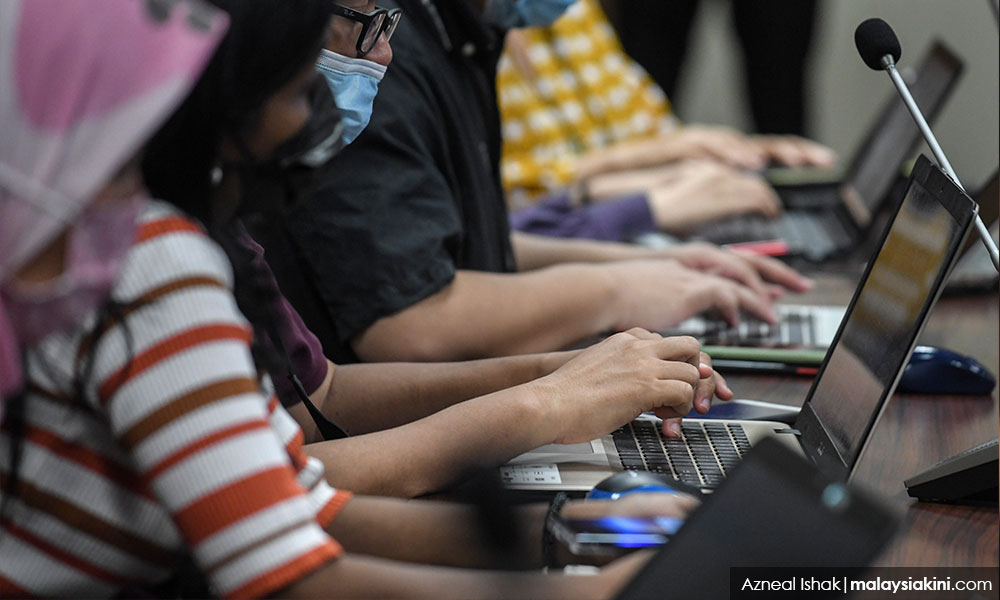
Speaking for myself, my criticisms have been responsive, responsible, accountable, and answerable. Their aim is to correct and expose the weaknesses in the various systems and improve the quality of life for every citizen.
But there has been hardly any response - under various pretences.
I have never veered, and there has never been any agenda as certain people in the government perceive it. I have given credit where it is due and even supported the plan to licence social media platforms.
However, I will not support recent claims that news portals will be included in the Printing Presses and Publications Act 1984 amendments.
Leaders are human and not infallible. In a democratic system, the people decide their fate. We have no intention of belittling anyone.
We cannot be or refuse to be like sycophants who treat their leaders as demigods or describe them as Mahatma Gandhi or Nelson Mandela. We will certainly not stoop that low lest our readers loathe us.
The media acts as the eyes and ears of the people. Let us offer to correct the wrongs as we go along, lest you are rejected by the people later.
R NADESWARAN, an award-winning journalist with over 50 years of experience, does not pull his punches to defend unwarranted attacks against journalism and journalists. Comments: citizen.nades22@gmail.com
The views expressed here are those of the author/contributor and do not necessarily represent the views of Malaysiakini.
/file/publisher-c1a3f893382d2b2f8a9aa22a654d9c97/2021/01/8dc3498651439c02ad7503cb0d1fbc1b.jpg)
/file/publisher-c1a3f893382d2b2f8a9aa22a654d9c97/2021/05/eb003bd6c328bfd621ae8e5e9b4d9ee8.jpg)
/file/publisher-c1a3f893382d2b2f8a9aa22a654d9c97/2024/04/397d38374e855e51f2489c035839eb73.jpg)
/file/publisher-c1a3f893382d2b2f8a9aa22a654d9c97/2023/08/b014aa242adaa12021d04c7ae3d9a7b5.jpg)
/file/publisher-c1a3f893382d2b2f8a9aa22a654d9c97/2024/07/be3414f8b63af4be0d7f466bcc45173e.jpg)
/file/publisher-c1a3f893382d2b2f8a9aa22a654d9c97/2022/08/5032a84dc32ef0c22c26a44dffeb91d9.jpg)


Are you sure you want to delete this comment?
This action cannot be undone.