


/file/publisher-c1a3f893382d2b2f8a9aa22a654d9c97/2023/12/f272d5903f9eeee2575d9d16f2b916cd.jpg)

COMMENT | Silence for ordinary rakyat, sympathy for the powerful
COMMENT | Sometimes, it is not what you say that matters. It is who says it. That thought came to mind when I read about the Wisma Semantan development being “put on hold”.
The statement from the Kuala Lumpur City Hall (DBKL) was polished and predictable. The project, they said, is still under review.
It must comply with a long list of technical requirements: traffic studies, environmental assessments, and social impact reports. Everything will be examined carefully before any decision is made. It sounds responsible, fair, and systematic.
But we have seen this movie before. Projects in less glamorous neighbourhoods rarely receive such attention. When residents in ordinary areas protest, their complaints...
COMMENT | Sometimes, it is not what you say that matters. It is who says it. That thought came to mind when I read about the Wisma Semantan development being “put on hold”.
The statement from the Kuala Lumpur City Hall (DBKL) was polished and predictable. The project, they said, is still under review.
It must comply with a long list of technical requirements: traffic studies, environmental assessments, and social impact reports. Everything will be examined carefully before any decision is made. It sounds responsible, fair, and systematic.
But we have seen this movie before. Projects in less glamorous neighbourhoods rarely receive such attention. When residents in ordinary areas protest, their complaints disappear into paperwork. When middle-class families raise safety concerns, they are told to be patient.
Yet, when the issue involves a postcode where former ministers, celebrities, or prominent professionals live, the tone changes. Suddenly, everyone in authority remembers what “process” means.
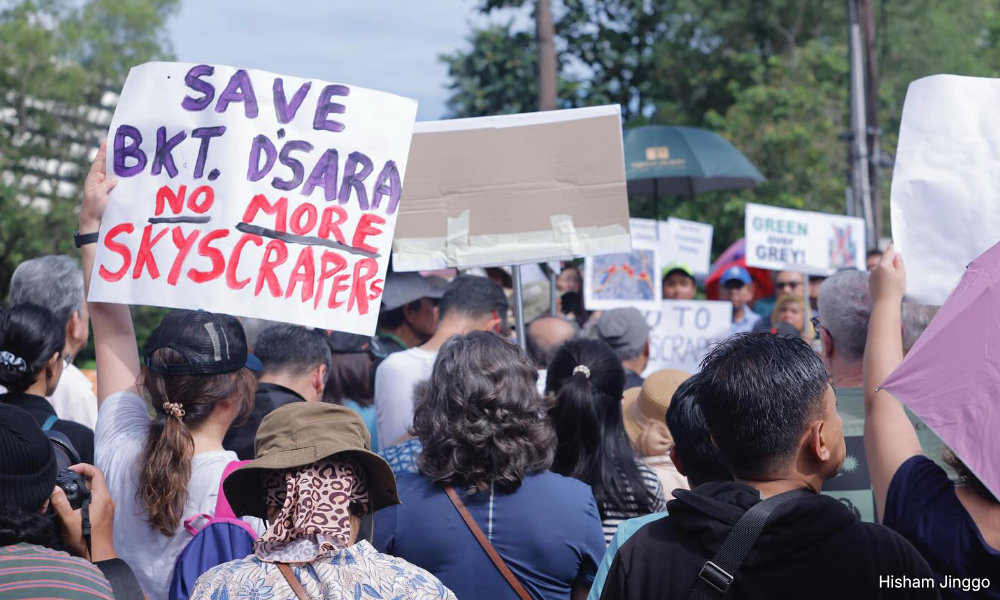
The question is simple. If this project had been in a working-class suburb, would it have been paused? Would DBKL have issued statements overnight and promised a full review? Most already know the answer.
This is not about one building or one developer. It is about how the system listens. Those with influence are heard clearly. Those without it speak into silence. The same city that demands fairness in public statements practises hierarchy in its decisions.
Selective governance
Ordinary people have been fighting similar battles for years. They have protested overdevelopment, flooding, traffic congestion, and poor planning. Their letters are sent, meetings attended, and petitions signed.
Yet, most of those efforts vanish without result. When they finally see one case receiving immediate attention, it becomes clear that the difference was never in the issue, but in the identity of who raised it.
No one argues against proper procedure. What the rakyat want is consistency. Every development, regardless of location or class, should face the same level of scrutiny.
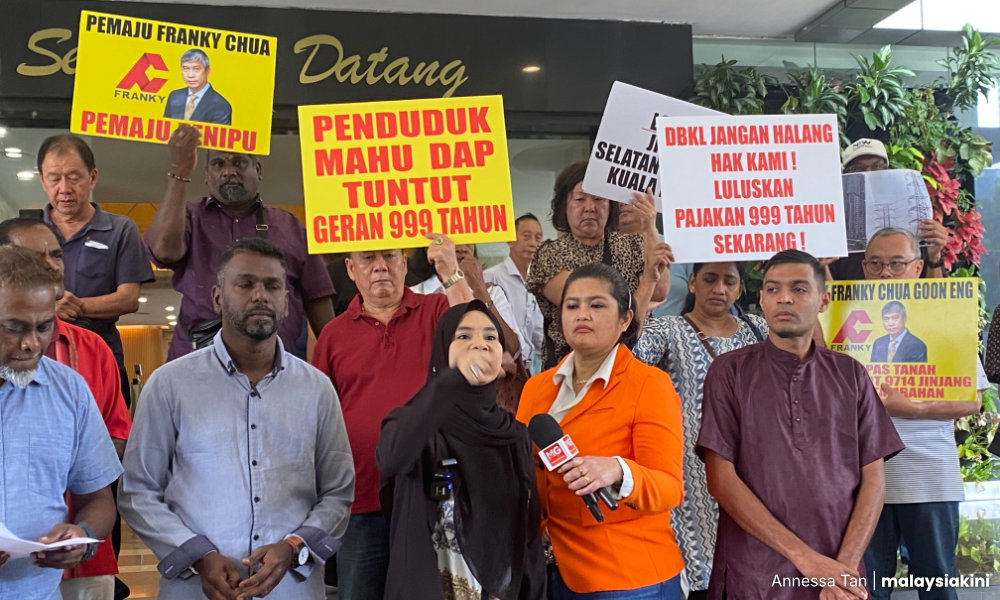
If DBKL can pause a project in one area because of public concern, it should be able to do the same anywhere else. Fairness must not depend on postal codes.
Urban governance cannot be selective. When authorities only react to voices from the top, it signals that influence, not integrity, guides the process.
The city belongs to everyone who lives in it, from Taman Tun to Taman Melawati, from Bangsar to Bandar Tun Razak. The law and its enforcement should reflect that equality.
Until that happens, every promise of review and transparency will sound less like accountability and more like performance. Real fairness begins when every citizen, not just the famous or the connected, can make the system pause and listen.
MAHATHIR MOHD RAIS is a former Federal Territories Bersatu and Perikatan Nasional secretary.
The views expressed here are those of the author/contributor and do not necessarily represent the views of Malaysiakini.
/file/publisher-c1a3f893382d2b2f8a9aa22a654d9c97/2025/09/faf499196f01820a7fd8c79a423228cc.jpg)
/file/publisher-c1a3f893382d2b2f8a9aa22a654d9c97/2022/12/1e0e555598376c376e00c711fc5da2c7.jpg)
/file/publisher-c1a3f893382d2b2f8a9aa22a654d9c97/2025/10/0b31ae27a9cc140ec818ae8a991d2c85.jpg)
/file/publisher-c1a3f893382d2b2f8a9aa22a654d9c97/2025/09/7be7f0d2b061b448bfc082e49b287482.jpg)


