


/file/1073/a94771b7a1c416a6b85c401e23222d87.jpg)

COMMENT | Conflict driving up energy prices, can green policies cushion the blow?
COMMENT | The war between the United States and Iran is in its third week, and there's no sign that the daily barrage of missiles and drones is reducing.
On the contrary, the sabre-rattling from both sides indicates further escalation is possible, causing a widening of the conflict with no clear off-ramp.
Thousands have died, and thousands more have been displaced as a result of strikes on urban areas and civilian infrastructure, including desalination plants crucial for water supply in the desert region.
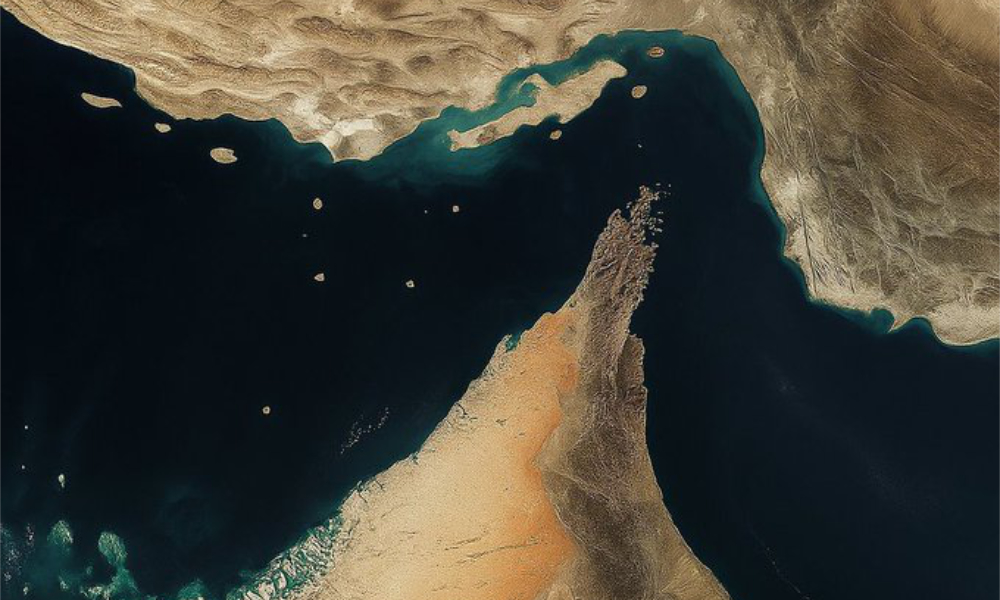
Meanwhile, disruptions to gas production in the Gulf and a blockade of the Straits of Hormuz have led to...
COMMENT | The war between the United States and Iran is in its third week, and there's no sign that the daily barrage of missiles and drones is reducing.
On the contrary, the sabre-rattling from both sides indicates further escalation is possible, causing a widening of the conflict with no clear off-ramp.
Thousands have died, and thousands more have been displaced as a result of strikes on urban areas and civilian infrastructure, including desalination plants crucial for water supply in the desert region.
Meanwhile, disruptions to gas production in the Gulf and a blockade of the Straits of Hormuz have led to the swift rise of energy prices worldwide and concerns over global consequences.
Dropping bombs, raising prices
With no clarity over how long this conflict will last or to what extent belligerents would inflict damage against each other, the global economy becomes collateral damage. Crude oil prices have already jumped up to 40 percent to US$106 per barrel, and analysts expect the rising trend to continue as the war stretches on.
This sharp increase has governments worrying about the state of their national budgets as they attempt to contain the conflict’s effects on their local economies.
This comes as no surprise, as fossil fuel energy sources like natural gas remain a significant component of power production for many countries, many of whom rely on imports, which have almost overnight become more expensive.
For warm regions like Southeast Asia, which depend on electrical air-conditioning to make homes and workplaces habitable, the costs add up.
Thailand, Vietnam and the Philippines have issued directives for remote working and four-day work weeks to reduce energy consumption, and countries are scrambling to find alternative sources of gas to make up for shortages from the Gulf and the blockade on the Straits of Hormuz.
Malaysia is better insulated against these effects as a natural gas exporter, but not immune from them, as we can see from rising unsubsidised prices at petrol pumps.
READ MORE: Iran war: How long before Gulf nations stop pumping oil?
Beyond fuel, higher energy prices and a prolonged blockage are also expected to lead to increasing import costs for materials and goods, leading to a cycle of inflation, consumption effects, and economic slowdown.
Supply chain disruptions are expected to increase construction costs, groceries, pharmaceuticals, and semiconductors as a result of tit-for-tat bombings of key ports and increased energy prices.

Mitigation and future-proofing
The downstream effects of this war will be felt across the board, even by those with no direct link to the conflict.
The immediate measures introduced are meant to mitigate the effects of rising prices, especially as it presents itself to national budgets, but broader measures are needed to address the cumulative effects, especially in the event of conflict escalation with no clear end to hostilities.
The war underscores the importance of hastening wider use of renewables in the energy mix, as well as robust supply chains that are not vulnerable to single chokepoints.
It has reinvigorated discussions on nearshoring, national and regional self-sufficiency, and building economic independence, as in the early days of Covid-19 when the global order was hit with unexpected shocks.
The return to normalcy post-vaccine has set aside “new normal” measures that promoted sustainability and resilience, like remote working, and diversified local production and consumption for greater profit and cost efficiencies.
The weakening of the global rules-based order and international multilateral organisations also complicates international cooperation, which will disproportionately affect lower-middle-income countries that have limited resources to manage the fallout of a protracted crisis in the Gulf.
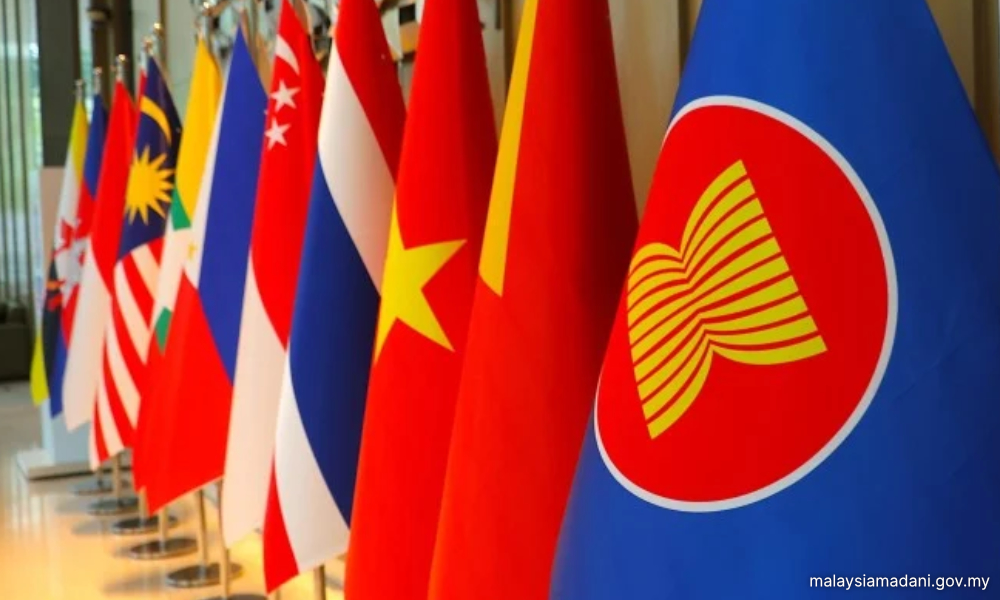
Regional organisations like Asean will have to strengthen their platforms as constructive venues for countries to collaborate on measures that protect their respective populations without resorting to narrow protectionist actions.
This episode of disruption should not be shrugged off, even if peace is swiftly restored. It was unexpected, but we can expect such sudden shocks to happen again with multipolarity becoming the norm and global coordination fragmenting.
This will also include the broad effects of climate change on economies, societies and security that will need significant regional and national transformations.
The successive global crises since 2008 show that we have a long way to go to achieve resilience against sudden shocks, and even more to counter the lasting environmental changes expected in the coming decades.
LUTFI HAKIM ARIFF works at the intersection of media, policy, and politics. Currently on an education sojourn in the US.
The views expressed here are those of the author/contributor and do not necessarily represent the views of Malaysiakini.
/file/publisher-c1a3f893382d2b2f8a9aa22a654d9c97/2024/10/f94f48efac9dd54e2eb2e71b135d4494.jpg)
/file/publisher-c1a3f893382d2b2f8a9aa22a654d9c97/2020/06/c0bad336e39a7517ee0d9f26f9a05392.jpg)
/file/publisher-c1a3f893382d2b2f8a9aa22a654d9c97/2026/03/db8b21840acbeaa1263d69fed579489b.jpg)
/file/image/76287080_605.jpg)
/file/image/67074429_605.jpg)
/file/publisher-c1a3f893382d2b2f8a9aa22a654d9c97/2026/03/a678dddbe0c9a32f4cba977d5c485303.jpg)


Are you sure you want to delete this comment?
This action cannot be undone.