



COMMENT | Digitalisation must not burden consumers
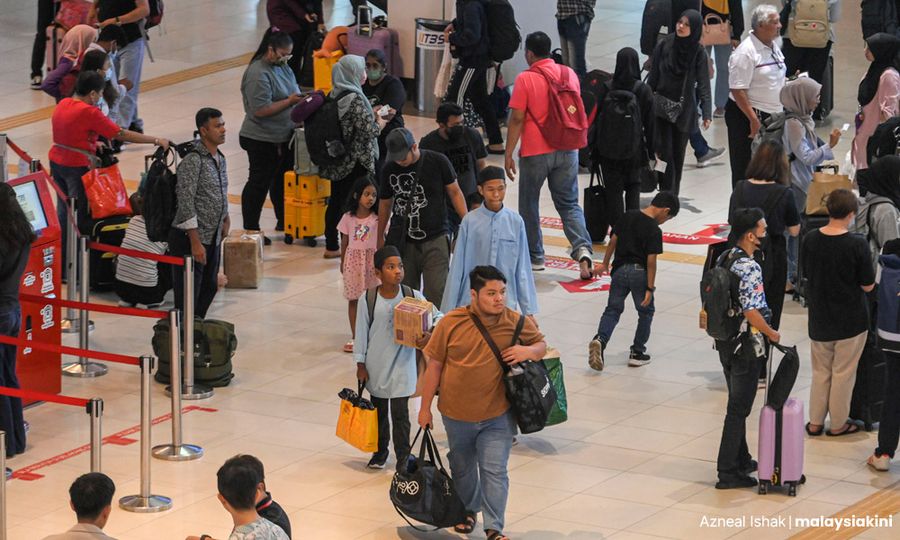
COMMENT | The Malaysian Digital Economy Consumer Association (myDigitalConsumer) calls on the Transport Ministry and the Land Public Transport Agency (Apad) to review the requirement for express bus ticket sales to be channelled through Apad-licensed terminal portals, beginning Nov 1.
We recognise the government’s legitimate objectives of strengthening oversight of online ticketing agents, improving accountability and ensuring effective refunds when services are cancelled or disrupted. However, regulatory reform must not unnecessarily restrict consumer choice, undermine existing digital investments or introduce additional costs without demonstrable benefits.
The fundamental question is whether the new arrangement will genuinely improve ticketing efficiency or simply introduce additional intermediaries, costs and complexity for passengers and bus operators.
One service, one fair price
Consumers should not pay different prices for the same service simply because they purchase tickets online, through mobile applications, at physical counters or directly from service providers.
This principle should extend across public transport and other digital services, including prepaid card top-ups. Any additional fee must be transparent, reasonable and justified by a genuine service, rather than inefficient systems or duplicated intermediaries.
Regulatory interventions in sectors such as...
COMMENT | The Malaysian Digital Economy Consumer Association (myDigitalConsumer) calls on the Transport Ministry and the Land Public Transport Agency (Apad) to review the requirement for express bus ticket sales to be channelled through Apad-licensed terminal portals, beginning Nov 1.
We recognise the government’s legitimate objectives of strengthening oversight of online ticketing agents, improving accountability and ensuring effective refunds when services are cancelled or disrupted. However, regulatory reform must not unnecessarily restrict consumer choice, undermine existing digital investments or introduce additional costs without demonstrable benefits.
The fundamental question is whether the new arrangement will genuinely improve ticketing efficiency or simply introduce additional intermediaries, costs and complexity for passengers and bus operators.
One service, one fair price
Consumers should not pay different prices for the same service simply because they purchase tickets online, through mobile applications, at physical counters or directly from service providers.
This principle should extend across public transport and other digital services, including prepaid card top-ups. Any additional fee must be transparent, reasonable and justified by a genuine service, rather than inefficient systems or duplicated intermediaries.
Regulatory interventions in sectors such as aviation and water services demonstrate the importance of addressing charges associated with particular purchasing or payment channels. The same consumer protection principles should be considered consistently across sectors.
Digitalisation should reduce transaction costs, not create new opportunities to charge consumers more.
Don't restrict competition, duplicate existing systems
Many bus operators have invested in their own websites and digital booking systems to facilitate ticket purchases, reduce queues and communicate directly with passengers.

Where these systems meet appropriate licensing, security and consumer protection requirements, they should be allowed to operate. The need to regulate terminal operations does not automatically justify exclusive control over ticket sales.
The government must distinguish between terminal management and ticket distribution. An efficient system should allow licensed terminals, bus operators and compliant digital ticketing platforms to work together through interoperable systems, with clear responsibilities for cancellations, refunds, complaints and personal data protection.
Fees charged to operators should reflect genuine services and reasonable costs, rather than the commercial privilege of controlling access to ticket sales.
Charges imposed on businesses can ultimately be passed on to consumers through higher fares, reduced discounts or fewer travel options.
Modernise terminals, ensure access to all
Electronic tickets and QR-code boarding can simplify passenger processing, reduce paperwork and shorten queues. For passengers who can use digital services independently, the journey from booking to boarding should be straightforward, without unnecessary manual transactions.
Assistance at manned counters must remain available for older persons, persons with disabilities, those with limited digital literacy and passengers facing payment or connectivity difficulties. Reasonable non-digital alternatives must be retained without discriminatory penalties.

Bus terminals are also essential public infrastructure supporting passenger safety, traffic management and transport connectivity. Federal, state and local authorities should assess sustainable and transparent financing arrangements, including appropriate public funding.
Infrastructure costs should not be passed excessively to passengers through transaction fees or charges disproportionate to the services provided.
Strengthen regulation in the public interest
Recurring concerns about charges and intermediaries across different sectors raise broader questions about the effectiveness of Malaysia’s regulatory framework.
Effective regulation requires sufficient independence, diverse expertise, transparency and meaningful consumer representation. Regulators must consider not only service providers and infrastructure operators, but also consumers, small businesses, technology innovators and the wider public.
We urge the ministry and Apad to consult bus operators, terminal operators, digital platform providers and consumer organisations. Before full implementation, an impact assessment should explain the proposed fee structure, each party’s responsibilities, potential effects on fares and the actual benefits to passengers.
Public transport is also essential to sustainable consumption and mobility. Unjustified surcharges and unnecessary transaction costs risk discouraging bus travel and disproportionately burdening people who depend on affordable intercity transport.
Key demands
MyDigitalConsumer calls on the government to:
Establish a one-service, one-fair-price principle for identical services, regardless of the purchasing channel, with any optional fees clearly disclosed.

Review the ticketing requirement scheduled for Nov 1 through meaningful consultation and an assessment of its impact on consumers and bus operators.
Allow fair competition and interoperable digital ticketing systems, subject to consistent licensing, security and consumer protection standards.
Prevent unjustified surcharges and hidden cost transfers, including monitoring the total price paid by passengers.
Ensure accountability and effective consumer redress for cancellations, service disruptions, refunds and personal data protection.
Modernise terminal operations through QR-code boarding and automation, while retaining accessible counter assistance and reasonable non-digital alternatives.
Review terminal infrastructure financing to ensure costs are allocated transparently and fairly in the public interest.
Simplifying transactions, improving transparency
Malaysia must not confuse digitalisation with multiplying platforms, intermediaries and fees. Genuine digital transformation should lower costs, simplify transactions, improve transparency and deliver better value to consumers.
The government is right to ensure that ticketing agents are accountable and passengers receive effective protection. However, these objectives must not become a justification for restricting competition or imposing unreasonable financial burdens.

The measure of good regulation is not how much control it establishes, but how effectively it protects the public while enabling fair competition, innovation and efficiency.
Consumers should not have to pay more simply because they choose a more convenient purchasing channel. If digitalisation is to serve the public interest, its benefits must translate into fair prices, accessible services and a more efficient public transport system.
SHA'ANI ABDULLAH is honorary secretary of the Malaysian Digital Economy Consumer Association, a consumer advocacy group focused on digital market protection, e-commerce fairness, and online safety.
The views expressed here are those of the author/contributor and do not necessarily represent the views of Malaysiakini.




Report this comment
Are you sure you want to delete this comment?
This action cannot be undone.