


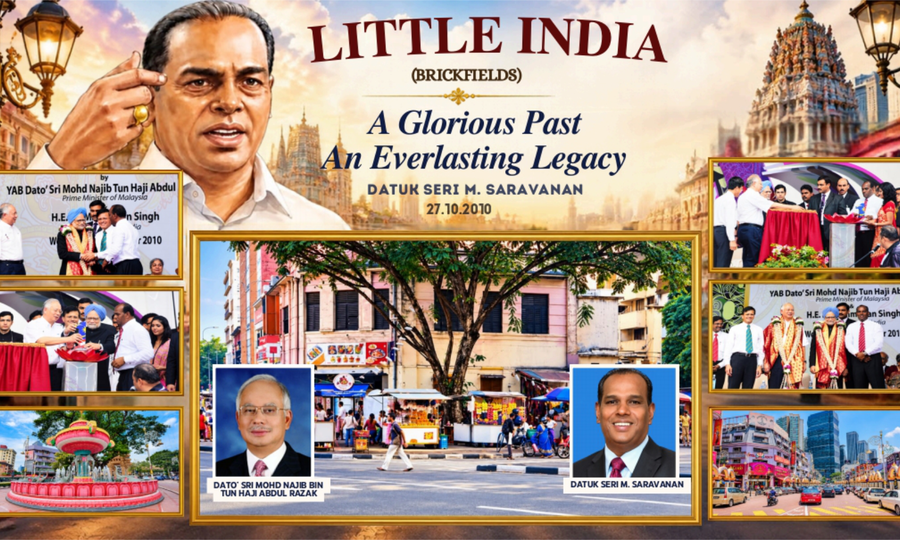

MP SPEAKS | Little India, Brickfields: 16 years of heritage and harmony
MP SPEAKS | As the vibrant lights of Deepavali illuminate our streets, we celebrate a momentous milestone in our nation’s cultural tapestry: 16 glorious years of Little India, Brickfields.
Looking back, my heart fills with immense pride. As then deputy minister of federal territories and urban wellbeing during its inception, I recall spending endless days and nights immersed in detailed planning to ensure this redevelopment truly honoured our community and served our country.
The success of Little India stands today as a living testament to visionary leadership, persistent advocacy, and an unwavering commitment to our heritage.
I vividly remember Oct 27, 2010. On that historic day, I had the privilege of standing alongside former prime minister Najib Abdul Razak and former Indian prime minister Manmohan Singh to officially unveil Little India, Brickfields, to the world.
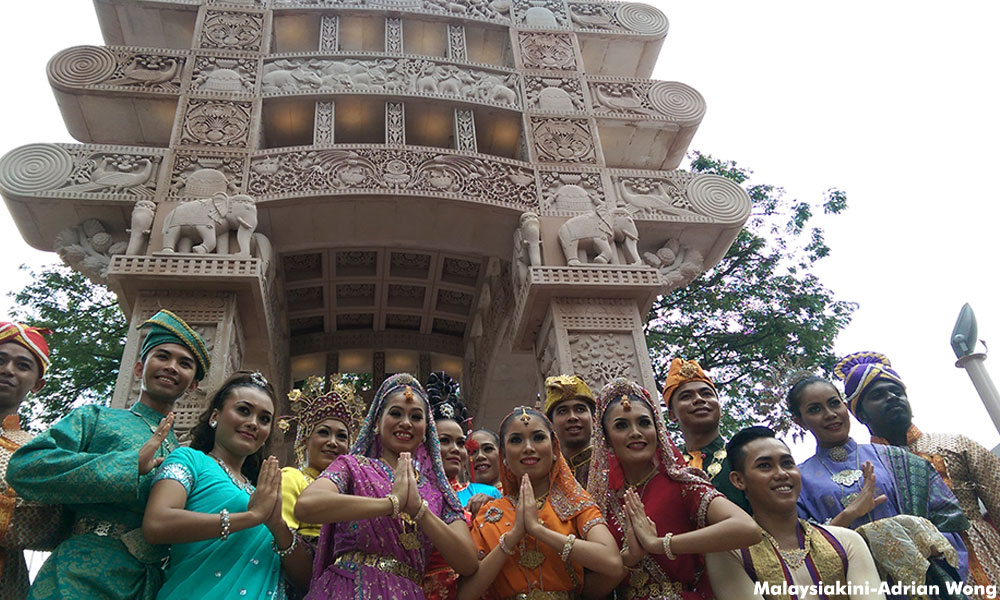
Later, in 2015, we further solidified this historic bond when Indian Prime Minister Narendra Modi and Najib unveiled the majestic Torana Gate, a magnificent sandstone archway symbolising the deep friendship between Malaysia and India.
The two-phase transformation along Jalan Tun Sambanthan did more than elevate a historic 19th-century settlement into a national cultural hub integrated with modern transit via KL Sentral.
What we birthed in 2010 was far more than an urban beautification or economic revival plan.
It was a solemn promise to past generations and future ones that the sweat, sacrifice, and soul of the Indian Malaysian community are permanently etched into our nation’s story.
Today, Tamil merchants keep this legacy alive through bustling gold jewellery shops, fragrant spice markets, shimmering silk stores, and rich culinary traditions that turn heritage into everyday life.
How the name came to be
Long before the modern strip, this area was known as Batu Limabelas (the 15th mile). Following the devastating 1881 fire and flood in Kuala Lumpur, Kapitan China Yap Ah Loy established a massive brick-making facility here, laying the literal foundation of the capital and giving Brickfields its name.
In the early 20th century, Brickfields became the main hub for the Malayan Railway. Pioneer labourers from South India and Sri Lanka arrived to lay the tracks and build public infrastructure, bringing with them the spiritual devotion and resilient work ethic that continue to shape the area today.
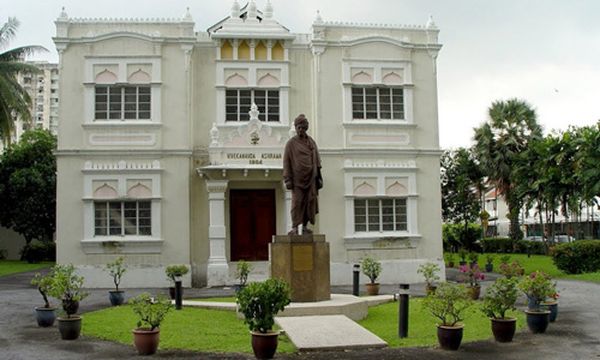
Brickfields remains a shining example of Malaysian harmony. Within a single walk, you can experience the timeless Vivekananda Ashram (established in 1904), the century-old Sri Kandaswamy Temple, the Buddhist Maha Vihara, the Sam Kow Tong Temple, and St Mary’s Syrian Orthodox Church.

Stepping into Little India is an immersive sensory journey, from the rhythmic beats of traditional music and brilliant purple and gold arches, to radiant silk sarees and the irresistible aroma of banana leaf rice.
Little India is not a footnote in Malaysia’s story. It is a vital, brilliant chapter - a place where elders find nostalgic comfort, youth find cultural connection, and every visitor experiences the warmth of our shared heritage.
Let us reaffirm our commitment to honouring our roots, uplifting our communities, and protecting historic heritage sites like Little India, ensuring they continue to shine brightly for generations to come.
M SARAVANAN is the Tapah MP and MIC deputy president.
The views expressed here are those of the author/contributor and do not necessarily represent the views of Malaysiakini.



There is no denying the history of Brickfields and Little India. It is a century of hard work and perseverance by our early leaders. But recent redecoration of Little India to welcome Modi and Manmohan were political and superficial contribution to its development. So much public money was spent unnecessarily, I think. Not sure if it was value for money or wastage, even leakages, not to mention when politics and politicians are involved.
What a self-congratulatory article. Instead of yet another exercise in political back-patting, perhaps the public would be more interested in hearing answers to the serious questions currently surrounding the author. Little India's heritage speaks for itself and belongs to the community, not to any single politician seeking to claim ownership of its success. Malaysians are looking for accountability and transparency, not distraction through nostalgia and self-promotion. Interesting timing for such a glowing tribute to oneself!
Little India’s heritage deserves recognition, but Saravanan’s article leaves a bigger question unanswered: what has his leadership delivered for the progress of Indian Malaysians? For families still struggling in the B40 category, ceremonial arches and anniversary celebrations are hardly enough. Where is the sustained work on education, skills, better jobs and business development? What has MIC done to help small traders understand, apply for and benefit from government financing? Announcing opportunities means little if people lack the guidance to access them. Culture and religion have their place, but leadership must also encourage people to look beyond familiar circles, build friendships across communities and participate confidently in wider Malaysian society. Indian Malaysians should not have to choose between preserving their identity and broadening their horizons. Nor does having different places of worship within walking distance automatically establish meaningful harmony. That takes interaction, mutual understanding and relationships built over time. And what has MIC achieved in helping temples resolve land matters, improve governance and plan responsibly? These issues need consistent work before disputes erupt, followed by another round of political speeches. Even Saravanan’s public image deserves scrutiny. The film-star poses and personality politics may attract attention, but what do they teach young people about leadership? We need humility, service and independent thinking, not more hero worship. After decades of MIC claiming to represent Indian Malaysians, it is fair to ask for measurable results. Celebrating the community’s heritage cannot substitute for improving its future.
Report this comment
Are you sure you want to delete this comment?
This action cannot be undone.