


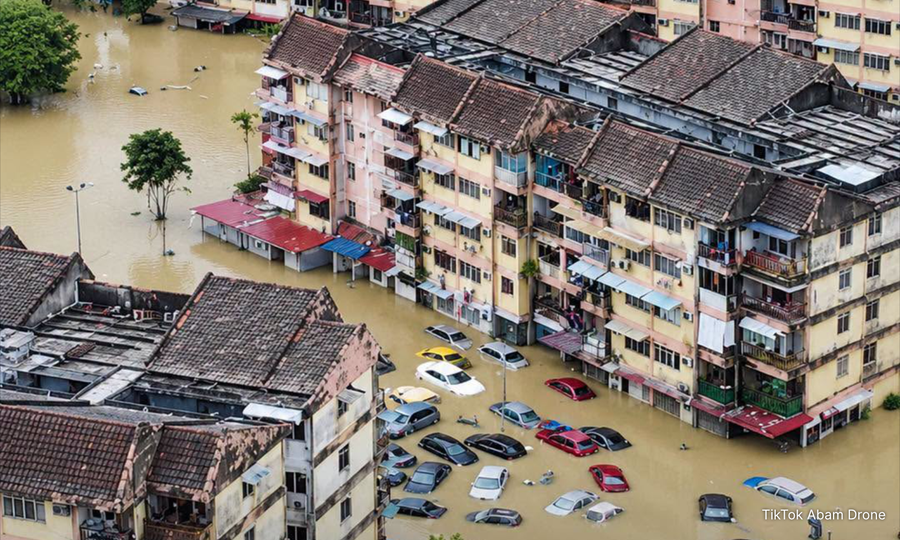

COMMENT | S'gor floods: Billions allocated, but are residents adequately protected?
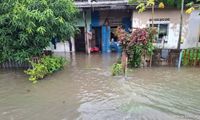
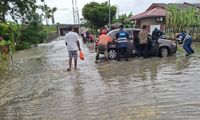
COMMENT | The recent floods affecting Kampung Melayu Subang, Sungai Buloh, Paya Jaras, Kubu Gajah, Rawang and parts of Shah Alam have once again disrupted the lives of Selangor residents.
We extend our solidarity to all affected families, particularly those who have suffered damage to their homes and loss of belongings.
While heavy rainfall is a natural challenge, we must ask whether our flood mitigation measures, drainage infrastructure and urban planning policies are keeping pace with Selangor's rapid development.
Where's the accountability?
The government has announced RM5.74 billion for flood mitigation projects in Selangor between 2021 and 2030. Nearly RM700 million has also been approved for projects involving Sungai Buloh and Sungai Damansara.
Yet communities continue to experience repeated flooding. We recognise that major infrastructure projects take time, but residents deserve transparency on how much has actually been spent, what has been completed and when they can expect meaningful protection.
Are our development, drainage policies adequate?
Rapid urbanisation can increase surface water runoff as natural land is replaced by buildings, roads and concrete. Without adequate retention ponds, on-site detention facilities and drainage capacity, surrounding communities may face greater flood risks.
Selangor already has requirements under the Saliran Mesra Alam manual. However, are these requirements being properly implemented and enforced?
We propose that the existing Selangor Flood Mitigation Task Force be strengthened with an independent technical committee comprising professional town planners, civil and drainage engineers, hydrologists, environmental experts and civil society representatives.
The committee should investigate whether ongoing and recently completed developments have increased flood risks, whether drainage and retention facilities are adequate, and whether developers are complying with approved requirements. Its findings and recommendations must be made public.
What happens to residents after flooding?
Flood management must not end when the water subsides. According to the state government's 2026 written response in the Selangor assembly, existing state disaster assistance provides up to RM500 for affected households and RM250 for qualifying flash flood victims who are not evacuated. The state government also indicated that it had no plans at that time to increase these rates.
We question whether such assistance is sufficient when families face the cost of repairing homes, replacing appliances, temporary accommodation and lost income.
We call on the Selangor government to review and increase disaster assistance, provide home repair and temporary rental support, and extend appropriate recovery assistance to affected small traders and workers.
The application process must also be accessible to residents who are affected but not evacuated to temporary relief centres.
Our demands
We call on the Selangor and federal governments to:
1. Publish transparent progress reports on flood mitigation expenditure, project completion and implementation delays.
2. Strengthen the existing flood task force with independent technical professionals and community representatives.
3. Review development approvals, drainage capacity and enforcement of stormwater management requirements in flood-prone areas.
4. Improve post-flood financial assistance and establish a more comprehensive recovery programme for affected residents.
Floods should not become an annual burden that residents are simply expected to accept.
People deserve more than announcements of allocations and promises of future projects. They deserve effective infrastructure, responsible development planning and adequate support when disaster strikes.
Flood mitigation must be measured by how effectively it protects people, not merely by how much money is allocated.
CP GOH is Selangor PSM deputy chairperson.
ABOLQAZ ANUAR is Selangor Muda chairperson.
LEE HOI ENG is Parti Rakyat Malaysia's Complaints and Welfare Bureau head.
The views expressed here are those of the author/contributor and do not necessarily represent the views of Malaysiakini.



My question is, are we having the right qualified and competent people in the flood mitigation task force to carry out the job? Money spent on under rated jobs and personal gains, have caused much hardship to the people and will continue to do do as long as favouritism and cronyism continues.
Both Pmx and Selangor MB - both PKR has failed Selangorians and their fate will be made known in GE16.
Billions allocated. Floods still happen. Promises still flow faster than the water recedes. Perhaps it's time to stop treating flood mitigation as a contract-awarding exercise and start treating it as an engineering, governance and accountability issue. Put qualified hydrologists, drainage engineers, town planners and dam management professionals at the decision-making table. Audit every flood mitigation project. Review every major development approval. Examine every dam water release decision during periods of heavy rainfall. And if projects fail, name the contractors. If enforcement fails, name the agencies. If poor decisions worsen flooding, tell the public the truth. Frankly, many rakyat have lost confidence in a system dominated by bureaucracy, where success is measured by reports submitted, meetings held and KPIs ticked off, rather than actual outcomes on the ground. Flood victims do not care about paperwork. They care about whether their homes stay dry. The Selangor government cannot continue appearing after every flood with sympathy, promises and fresh announcements. Leadership is not measured by press conferences after the disaster. It is measured by preventing the disaster, minimising its impact and being accountable when things go wrong. Selangorians don't need more speeches, studies or excuses. They need fewer floods.
Report this comment
Are you sure you want to delete this comment?
This action cannot be undone.