Most Malaysians can name all 13 states. But how often do we think about the country’s three Federal Territories?
Kuala Lumpur, Putrajaya and Labuan may share the same federal status, but each offers a distinctly different experience. Kuala Lumpur became the first Federal Territory in 1974, followed by Labuan in 1984 and Putrajaya in 2001, each marking a different chapter in Malaysia’s development.
Today, Kuala Lumpur brings together cultures and an ever-changing cityscape; Putrajaya offers striking architecture amid lakes and landscaped spaces; while Labuan moves to the rhythm of island life, shaped by history and the sea.
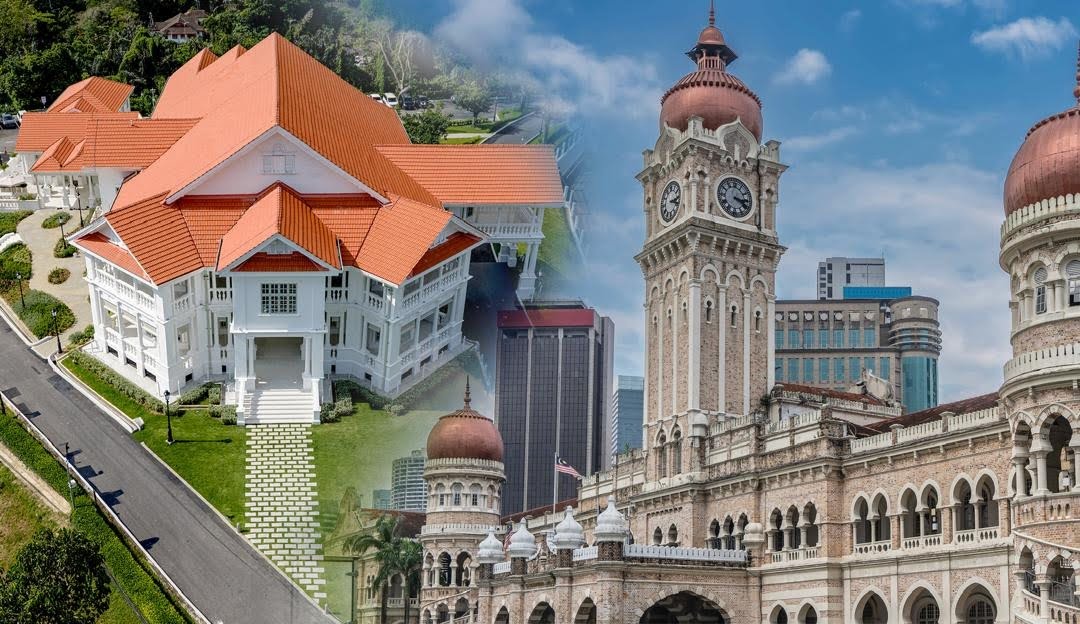
Kuala Lumpur: A Capital of Cultures and Contrasts
Kuala Lumpur is often recognised by its iconic towers, shopping districts and evolving skyline. But the capital is perhaps best understood at street level, where modern towers rise beside older shopfronts and historic places of worship sit close to contemporary cafés and galleries.
Around Dataran Merdeka, Kuala Lumpur’s historic civic heart is experiencing a revival. Through the wider Warisan KL initiative, heritage buildings are being restored and reimagined for culture, creativity and public use.
Bangunan Sultan Abdul Samad, reopened to the public in February 2026, now houses galleries, exhibitions and visitor experiences. Nearby, the Old General Post Office has reopened as a cultural and culinary destination. Together with Seri Negara, these landmarks offer new ways to encounter spaces connected to the country’s history.
Kuala Lumpur’s character also lives in its neighbourhoods. Kampung Baru, Brickfields, Chinatown and Masjid India each reveal something different through their communities, businesses, architecture and food traditions.
Malay, Chinese, Indian and regional influences sit naturally alongside one another, allowing travellers to move from nasi lemak and satay to banana-leaf rice, handmade noodles, traditional kuih and contemporary fine dining within the same day.
A morning around historic Dataran Merdeka can give way to the energy of Bukit Bintang, while the city’s neighbourhoods reveal the communities and traditions that continue to shape the capital.
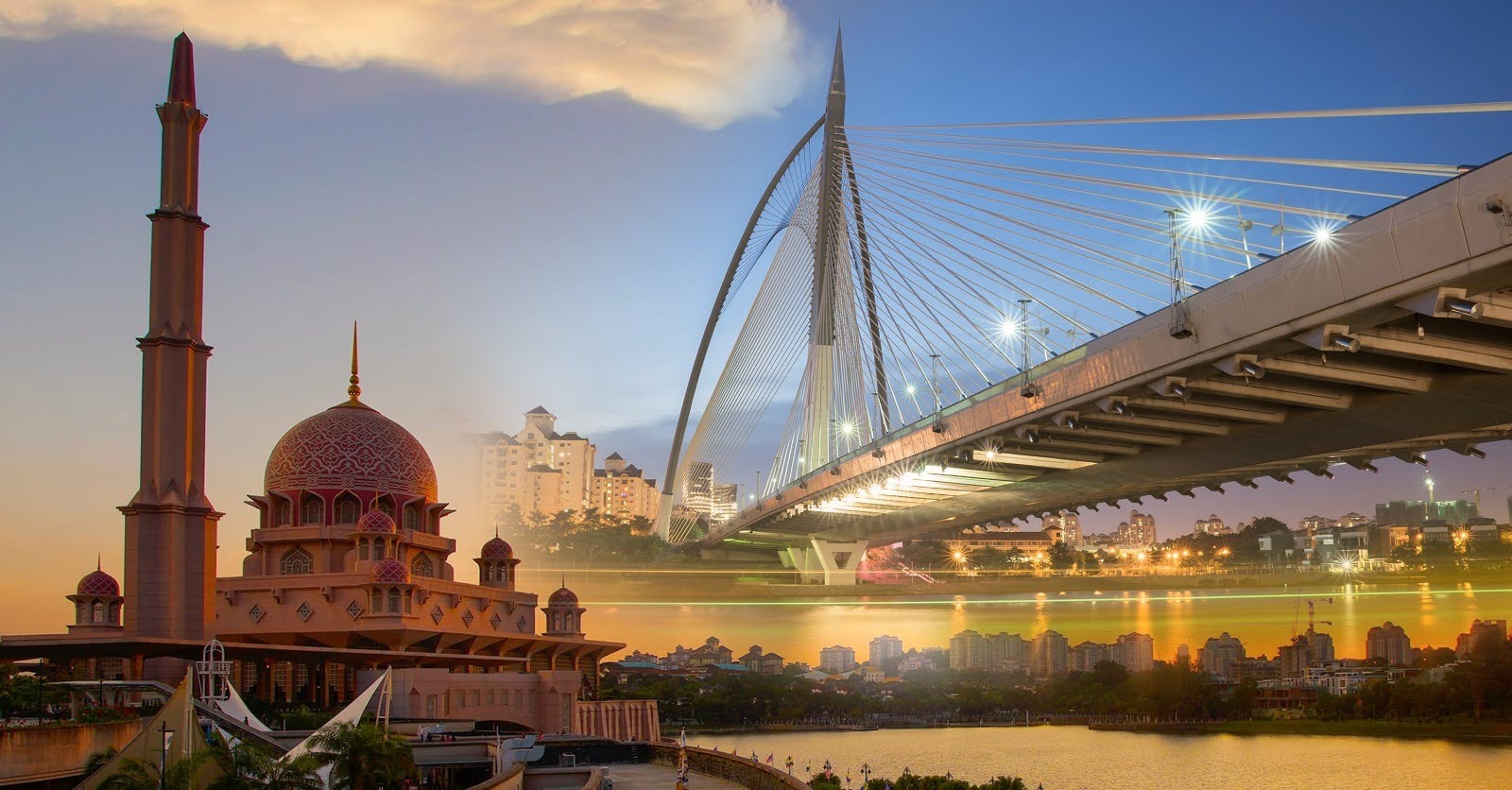
Putrajaya: Malaysia’s Garden City
A short distance away, Putrajaya offers a different perspective on Malaysia.
Unlike Kuala Lumpur, which developed through decades of migration, commerce and urban growth, Putrajaya was deliberately planned as the federal administrative centre. Broad avenues, distinctive bridges and grand public buildings are set among lakes, parks and landscaped surroundings.
At its heart is Putrajaya Lake, where the waterfront provides space for walking, cycling and sightseeing. The Putra Mosque and Seri Wawasan Bridge are among its most recognisable sights, while its parks, wetlands and botanical spaces attract families, cyclists, photographers and visitors seeking a slower-paced alternative to Kuala Lumpur.
One Gateway, Two Very Different Cities
For many international travellers, the journey to both cities begins at KL International Airport (KLIA).
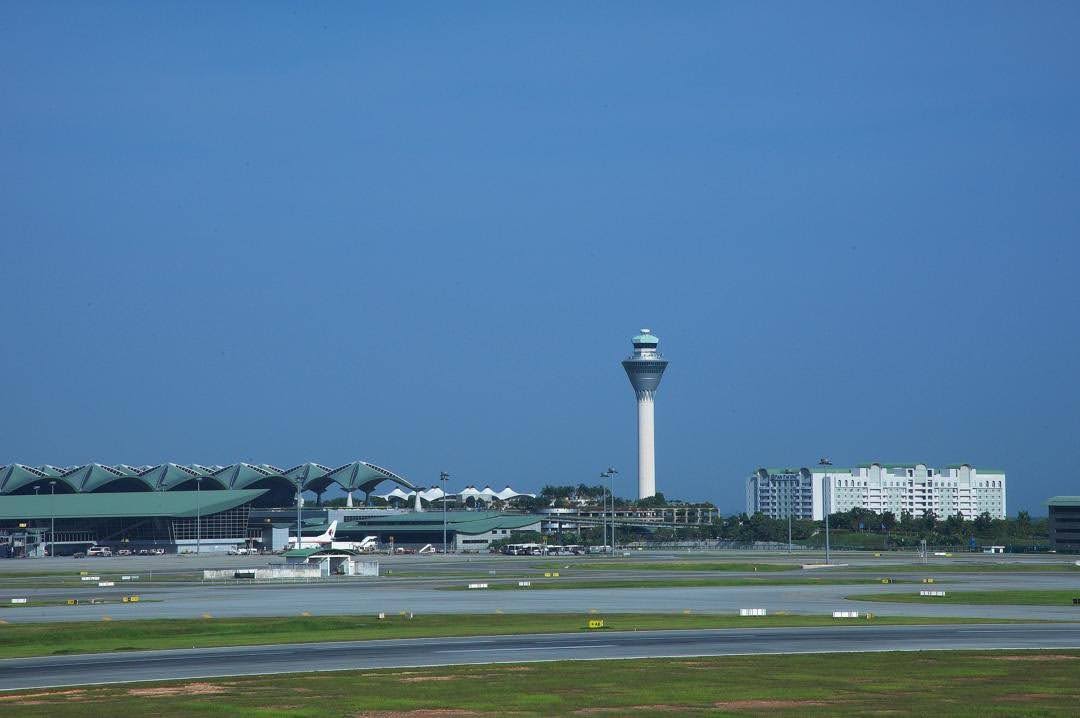
OAG’s Megahubs 2025 ranked KLIA the fourth most internationally connected airport in the world and the highest-ranked in Asia. Beyond its international network, KLIA connects travellers onwards across Malaysia.
KLIA Ekspres reaches KL Sentral in 28 minutes, while KLIA Transit links the airport with Putrajaya Sentral. Putrajaya is just 16 minutes from Terminal 1, with Terminal 2 another four minutes away, placing its architecture, lakeside precinct and green spaces within easy reach of transit passengers. With a longer layover, Kuala Lumpur becomes an option for a meal, a walk through its historic centre or a few hours in the city.
Those remaining at KLIA can still encounter a glimpse of Malaysia. RIMBA and Heritage Lanes, together with Malaysian dining and local retail, bring elements of the country’s culture, food, products and natural landscape into the terminals.
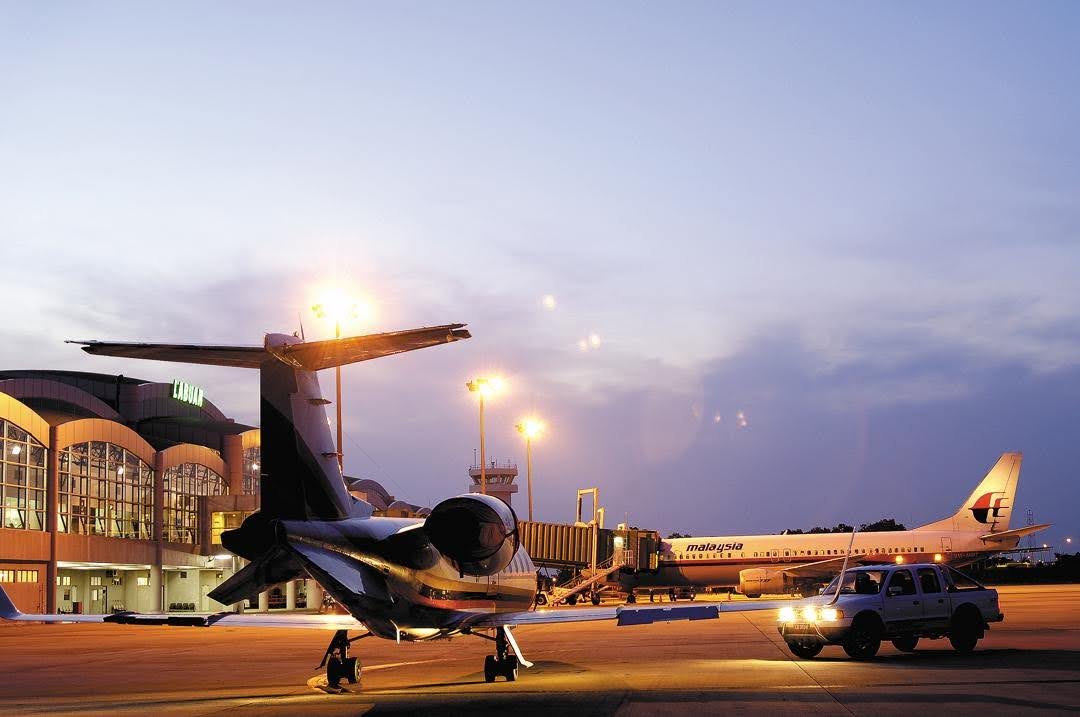
Labuan: An Island Shaped by History and the Sea
Across the South China Sea, Malaysia’s third Federal Territory tells a very different story.
Labuan’s position near Brunei Bay has shaped the island through trade, maritime activity, colonial administration, coal mining and the Second World War. It became a Federal Territory in 1984 and an international offshore financial centre in 1990.
Its historical layers remain visible at the Labuan War Cemetery, while Peace Park and Surrender Point recall the end of the Second World War in Borneo. At Tanjung Kubong, the Chimney offers a glimpse into the island’s coal-mining past.
Yet much of Labuan’s appeal lies beyond its historical landmarks. The territory comprises the main island and six smaller islands. Labuan Marine Park includes Kuraman, Rusukan Kecil and Rusukan Besar, where beaches, coral reefs and clear waters offer opportunities for snorkelling and diving. Pulau Papan provides another easy island escape.
Below the surface, the American, Australian, Blue Water and Cement wrecks have made Labuan a destination for wreck diving. Along the coast, Pancur Hitam, Layang-Layangan and Pohon Batu offer places to slow down, while the traditional stilt houses at Patau-Patau provide a glimpse of a long-established water-village community.
Fresh seafood, including Labuan’s well-known mud crab, is naturally part of the island experience, alongside its duty-free shopping.
An Airport Close to the Island Experience
That ease of exploration begins almost as soon as visitors land.
Labuan Airport connects the island with Kuala Lumpur, Kota Kinabalu and Miri. The Labuan War Cemetery is less than a kilometre away, while the Chimney is around 12 kilometres from the airport, or roughly 15 to 20 minutes by car.
The airport has also evolved alongside the destination, with refreshed check-in counters, upgraded parking technology, a new passenger boarding bridge and new local retail and dining offerings.
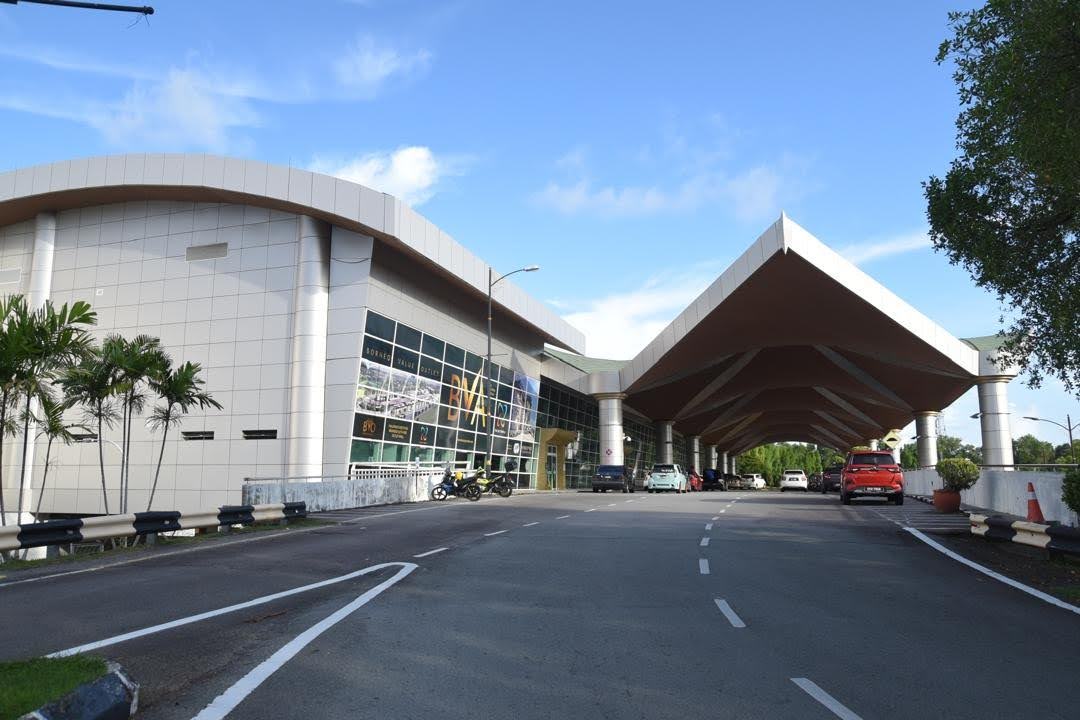
There are some unexpected details too. It is home to Labuan’s only Starbucks, while its McDonald’s was the first to open on the island, before a second outlet opened downtown.
From the airport, Labuan’s history, town and coastline are all close at hand—a distinctly different arrival from Kuala Lumpur’s urban energy or Putrajaya’s landscaped avenues.
Three Territories, Three Experiences
Kuala Lumpur is discovered through its neighbourhoods, food and contrasts. Putrajaya offers architecture and greenery at a different pace. Labuan combines history, island landscapes and experiences connected to the sea.
KLIA connects the capital region to the world while placing Kuala Lumpur and Putrajaya within easy reach. Labuan Airport brings travellers within minutes of the island’s history, town and coast.
Together, the three territories offer three very different ways to experience Malaysia—and each journey begins almost as soon as you land.
This Driving Transformation series is a collaboration with Malaysia Airports Holdings Berhad (MAHB)